

Before menopause, Nina Moore lived with severe migraines, leaving her unable to take any form of hormonal contraception. Once menopause began those limitations followed her, forcing her to go on anti-depressants for her debilitating night sweats.
For four years, Nina, 58, was unable to sleep for longer than two hours before waking up due to extreme night sweats.
Nina, a virtual assistant from Carlisle, was unable to take HRT for her symptoms as she feared it would trigger the same migraines.
The exhaustion took its toll, both physically and emotionally, and with no other treatment option available she was forced to go on anti-depressants to get the night sweats under control.
There was no other option for Nina, until now.
Half a million women in England could now benefit from a new drug on the NHS called Veoza, as of March 2026.
Veoza, also known as fezolinetant, has been approved by the National Institute for Health and Care Excellence (NICE) for women who are unable to take HRT.
The decision marks a significant step forward for those who have long had limited treatment options.
For many women, HRT is an effective way to manage menopause symptoms. However, for thousands, medical histories such as certain cancers or a history of blood clots make it unsuitable.
This has left thousands struggling with debilitating symptoms such as intense hot flushes and chronic night sweats, often with few viable alternatives.

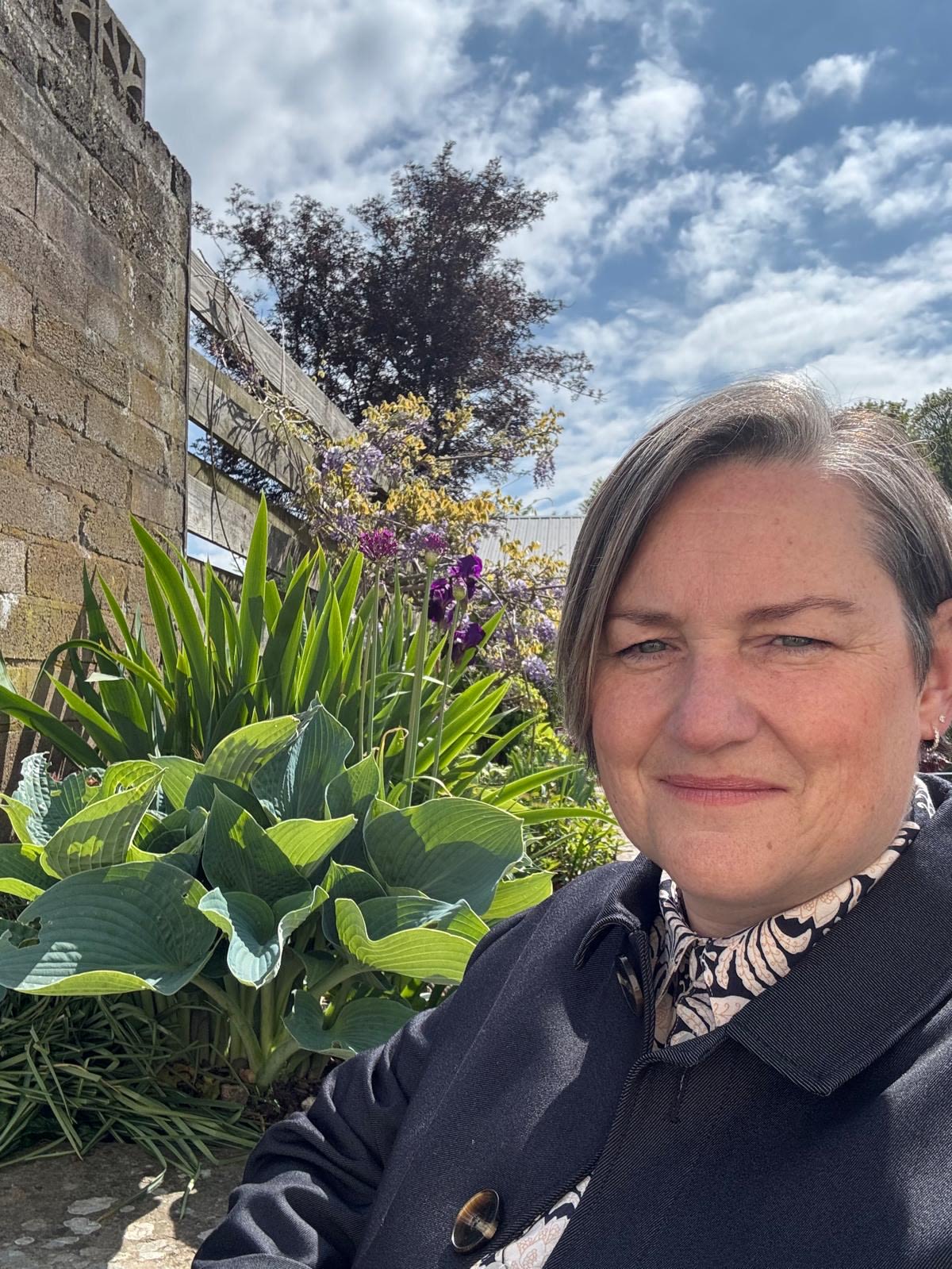
Nina Moore, a virtual assistant, who suffered with extreme night sweats. Credit: Nina Moore
Nina Moore, a virtual assistant, who suffered with extreme night sweats. Credit: Nina Moore
Up to 85% of women going through menopause suffer hot flushes and night sweats according to the National Library of Medicine.
For women like Nina, night sweats are more than just uncomfortable, they can be life-altering.
Persistent night sweats often lead to disrupted sleep, which can have serious physical and emotional consequences, including fatigue, reduced concentration, low mood and anxiety.
While daytime hot flushes can affect confidence, work performance and overall wellbeing.
They can be "both physically and emotionally debilitating," says Diane Danzebrink, founder of Menopause Support, a charity that campaigns for more menopause support and education.
Veoza on the NHS will “improve quality of life all round,” she added. “Helping us to take back some control over something that’s happening to us can have a significant impact on the way people feel about themselves.”

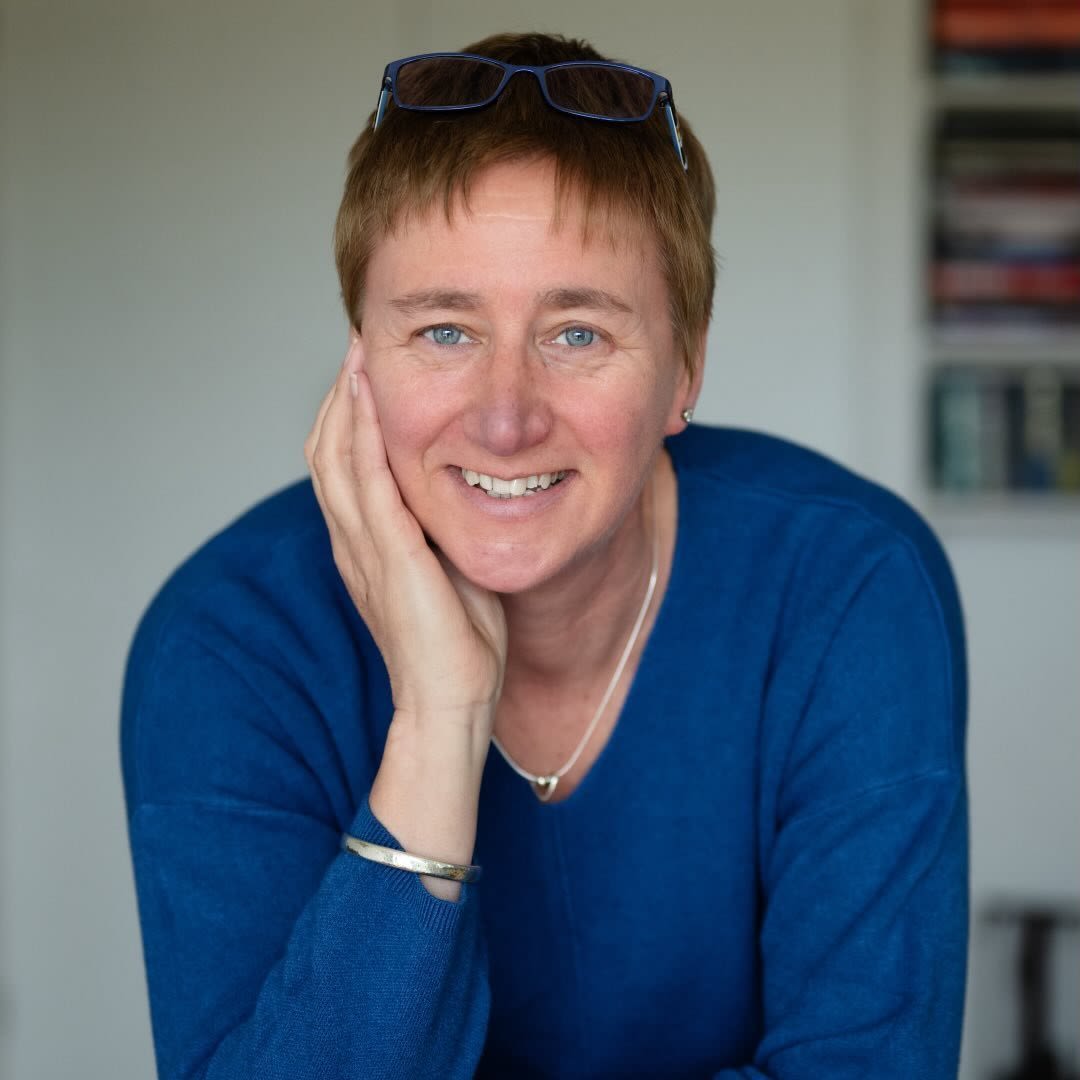
Diane Danzebrink, founder of Menopause Support. Credit: Diane Danzebrink
Diane Danzebrink, founder of Menopause Support. Credit: Diane Danzebrink
Menopause coach, Jo Ibbott, recently spoke to a woman who had undergone breast cancer treatment so was unable to take HRT and felt she had exhausted all options.
“She said, ‘I can’t have HRT… I’m really struggling with hot flushes,’” Ibbott says. “It was just nice to be able to say to her, there is a potential solution. Whether it’s suitable or not is a medical decision, but it gave her hope that she might not have to just live with it.”


Jo Ibbott, menopause coach. Credit: Jo Ibbott
Jo Ibbott, menopause coach. Credit: Jo Ibbott


Image credit: Ewa Urban, Pixabay.
Image credit: Ewa Urban, Pixabay.
Until now, Veoza has only been accessible privately, at a cost that put it out of reach for many.
“The problem is when something is licensed, but it’s not available via the NHS. It reinforces this two-tier system, which is something that we simply shouldn’t have within healthcare,” says Diane.
HRT treats hot flushes and night sweats by replacing the loss of oestrogen, this restores temperature regulation. It is typically taken in the form of gels, patches or creams.
Women can not take HRT if they have a history of breast cancer, blood clots, high blood pressure and many more reasons.
Veoza works differently, it doesn’t use hormones.
Instead, it targets the brain signals that cause hot flushes and night sweats by blocking the nerve pathways in the brain. It comes in the form of a 45mg tablet to be taken once a day.
It still isn't suitable for all women, but it does give women more choice.
Currently, the decision applies in England. Wales and Northern Ireland often follow the same guidance, while Scotland has its own body, called the Scottish Medicines Consortium (SMC), that has denied the use of it on the NHS.
The SMC has received a resubmission from the company that makes Veoza and this is currently being assessed.
"Whilst hormonal treatment is appropriate for many women, it is not suitable for all – having NHS funded access to a new class of non-hormonal medication will offer the opportunity for symptom relief in these circumstances," says Paul Simpson, Chair of the British Menopause Society.
"The positive impact this class of drug can have on menopause care has been on the horizon for some time, with many women patiently awaiting this approval," he added.
With integration into NHS care pathways now the next step, experts hope this will mark the beginning of more inclusive, flexible treatment options.
For women like Nina and many others, it could mean something simple but life-changing: a good night’s sleep and the feeling of being back in control.
 Built with Shorthand