
Fighting to be Heard: Is Local Radio in Crisis?
Local and community radio have always been a much-loved stalwart for communities, but with budget cuts taking their toll and nationalisation having stripped soundwaves back to its bare bones, what state is the industry in now?

Inform. Educate. Entertain. The three tentpoles of radio, and that’s not just well-known local stations such as BBC Radio 1, Capital, Heart, Hits Radio, but also the wide variety of local, community, or student radio stations that exist in the UK, serving as both a training ground for new presenters and serving audiences who aren’t catered for elsewhere.
However, in recent years, the number of local radio stations and shows has fallen, both as a result of rising cuts making community stations less viable and new legislation, which means that brands such as Bauer and Global no longer need to produce local shows. So, is there a future for local radio, or is it slowly being eroded and left in the past?


Photo by Alan Findlay on Unsplash
Photo by Alan Findlay on Unsplash


Photo by Pawel Czerwinski on Unsplash
Photo by Pawel Czerwinski on Unsplash
The importance of radio as a sound medium has long been established, simply because of the level of connection that it provides to individual people, something backed up by Tina Fuller, a radio presenter at Vibe 107.6FM, a local radio station in Watford, Hertfordshire.
She said: “Radio is such a personal medium. It’s just you and that one listener. You are schooled to talk to that one person.
“I get reactions and interactions from people I've never met, and just bringing that little bit of happiness to them or distracting them from their commute or making them laugh after a bad day. I just love it.”
As well as entertainment, Vibe also has a distinct focus on local news and people. In fact, Fuller says, “We only really ever talk about local news. In fact, part of our show remit and our licensing agreement is that we have to do local news.”
She added: “It's kind of really down to the presenters to research and connect with their own stories, go and find stuff, get people in. It's very organic in that kind of way.”
And, with such a focus on local people, it’s unsurprising that Fuller’s on-air highlights revolve around local, human-interest stories.
She said: “Some of the interviews I've had, some of them have been really quite personal and emotive.
But when cuts are made, it’s not just the listeners who suffer. Aspiring presenters also lose out. Fuller described how options are “limited” and “logistically quite difficult” for those who want to make radio their career.
She said: “Being able to go into a studio and use equipment and play out systems that Global and Bauer use is something that you would have to travel a long way for.
“So, logistically, it's quite restrictive because there aren't as many stations anymore. And yeah, if you want to just talk, if you're a hobbyist, it's a lot easier because you can just do it from home, but if you're serious about it, their options are limited.”
Vibe is a station that is entrenched within the Watford community, being played in The Harlequin, the town’s shopping centre, and also hosting the annual fireworks show in November.
Although this is another example of the power of local radio, cuts being made to local brands mean that they cannot be as “visible in the community,” according to Fuller.
She also said: “With everything that's happening with the BBC at the moment and even in stations like the ones run by Global and Bauer, where they go from less local shows to more global shows and going from a network, they're starting to disconnect with the community and talk to people more in general. And we don't do that.”

Photo by Anthony Roberts on Unsplash
Photo by Anthony Roberts on Unsplash


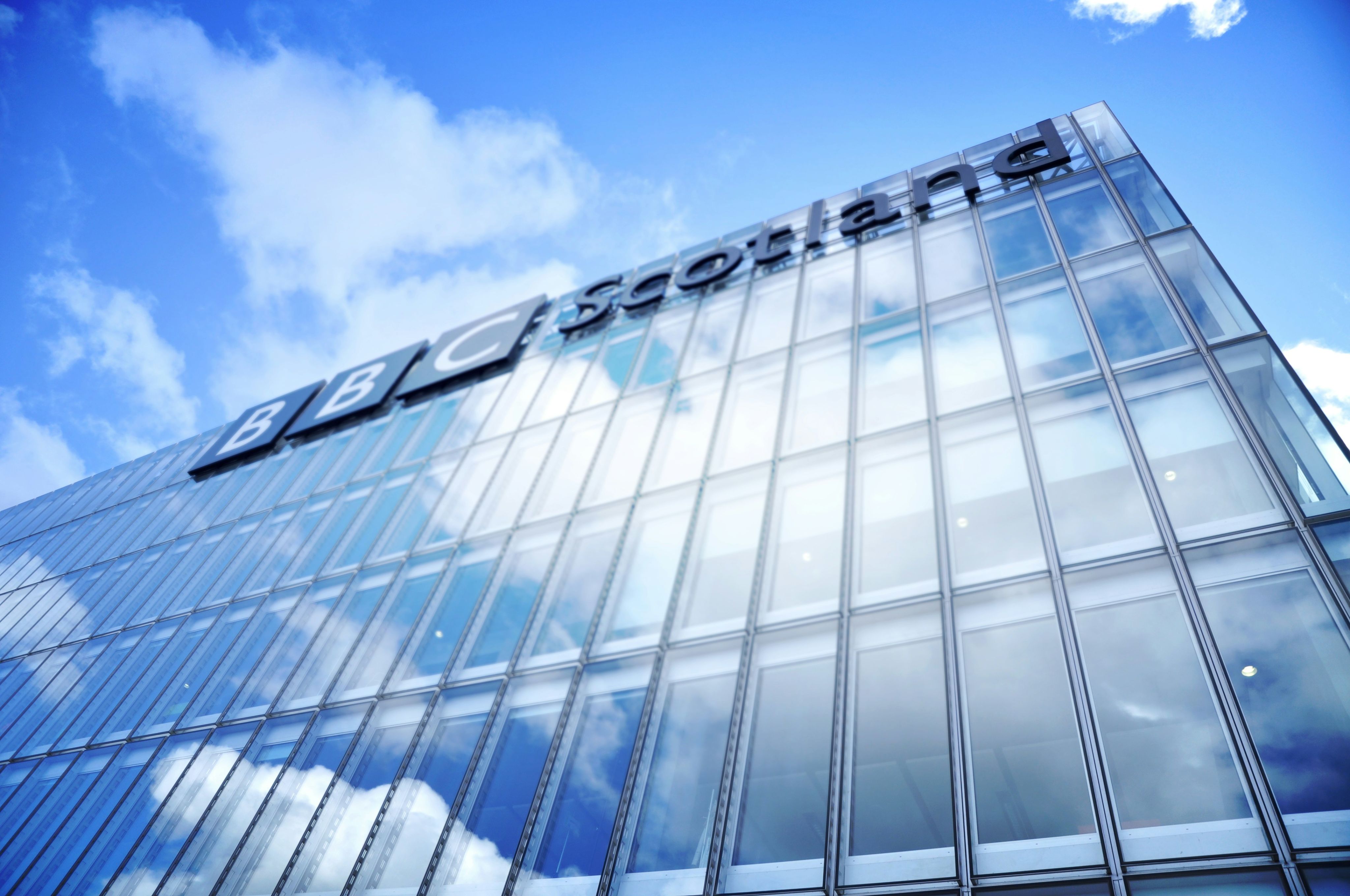
Photo by Marshall W on Unsplash
Photo by Marshall W on Unsplash

Photo by Christin Hume on Unsplash
Photo by Christin Hume on Unsplash
Recently, commercial stations have turned away from local programming. Several well-known local stations owned by Bauer were rebranded to ‘Hits Radio’ in 2024, and, on 9 June 2025, launched a singular breakfast show across England and Wales, led by celebrity Fleur East, resulting in the end of numerous long-running shows such as Big John at Breakfast in South Yorkshire, and Mylo and Rosie in West Yorkshire.
The Media Act 2024 also meant that Global no longer had to produce local shows on its stations, meaning that drivetime shows on the Heart and Capital networks were dropped and replaced with London-based shows.
The BBC always seemed to recognise the importance of their 39 local radio stations, some of which first launched in 1967, having the purpose of providing listeners with a service particularly for audiences aged 50 or over who are not served particularly well by other avenues.
In 2018, they even brought back individual local radio shows in their evening schedules, with then-director general Tony Hall saying how “local radio is in the DNA of our communities.”
However, in 2022, larger cuts were announced, as the number of daytime shows across all stations was cut down to 98, down from 117, whilst there were only 10 programmes broadcast across all stations in evening slots, meaning 139 jobs would be lost.
This led to the National Union of Journalists going on a two-day strike, and 13 MPs from the West Midlands sending a letter to then-Director General Tim Davie, describing local radio as a “valuable public service of information and companionship.”
Listener reaction was also strong when the cuts were actually made in late 2023, with Malcolm Boyden having an 800-strong member Facebook group set up in his name to reinstate him to his mid-morning BBC Hereford and Worcester slot, whilst Olympic athlete Tom Daley sent a message of support to David Fitzgerald after he lost his job at BBC Radio Devon in the same year.
In terms of ratings, BBC Local Radio is still reaching 4.7m people in England a week (according to RAJAR estimations); however, this is a drop from the 5.5 million who were listening in mid-2023, before the first round of cuts was made, indicating that the cuts have affected listeners who have perhaps turned elsewhere.
However, the BBC does continue to scout presenters from local, community stations, allowing them to continue to follow the well-trodden pathway from (mostly) unpaid presenting into national stations, through schemes such as the Radio 1 Christmas Takeover.
One presenter given this opportunity is Maddi Fearn, who hosted two episodes of Radio 1’s Future Artists in December 2025.
Fearn credited student radio for allowing her to increase her radio skillset, saying that “If I went and got a job on a commercial station now, it's such high stakes, you can't mess up. So, it's really nice on student radio to be able to mess up and not have to worry, and you don't have to do anything that requires boundary pushing. It's just there for practice.”
However, she also acknowledged that it is harder to get into radio without going to university and simply relying on community stations, especially as it’s hard to know you want to get into radio “unless you get to go in a radio studio and play around”.
She added: “If I wasn't a student and I didn't choose to go to university, which is completely valid and a great decision for a lot of people, I would have struggled to have got that foot in the door because student radio was huge for me, but I managed to do that.
“There’s not a lot of presenter jobs in the industry. So, Nick Grimshaw got his first job in radio by literally walking into his local station and being like, ‘Can I make the cups of tea?’ and then he went straight from that through to ultimately presenting.
“So I think that the biggest challenge is finding a path for yourself because there isn't a huge amount of opportunities, and taking that step from student to community and then community to a paid job is hard.”
Fearn is currently a freelance radio presenter and has managed “to make a career out of that pretty much, but I have probably between eight to 10 places that I rotate through for work, which I actually really enjoy.”

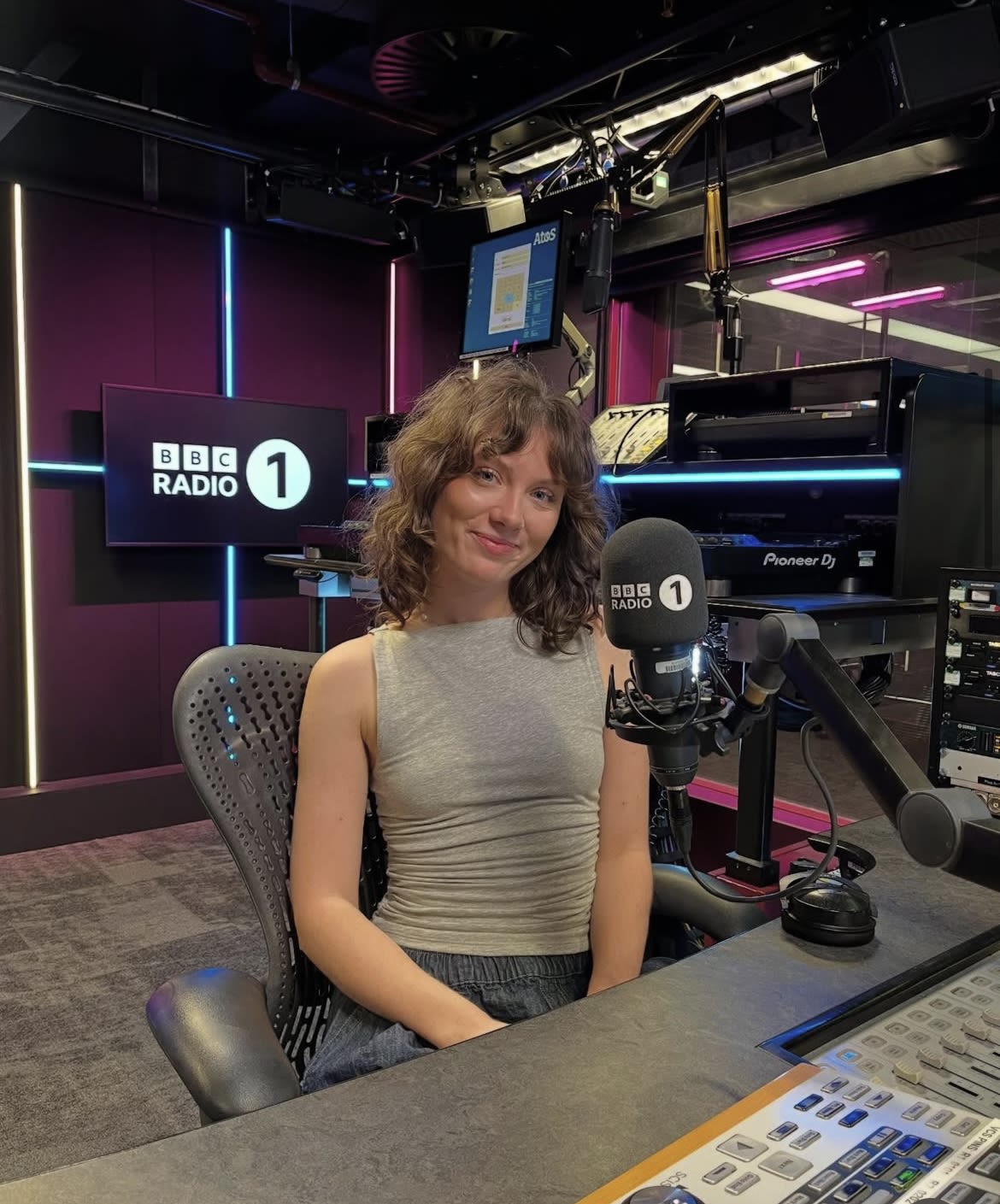
Photo by Paolo Nicolello on Unsplash
Photo by Paolo Nicolello on Unsplash

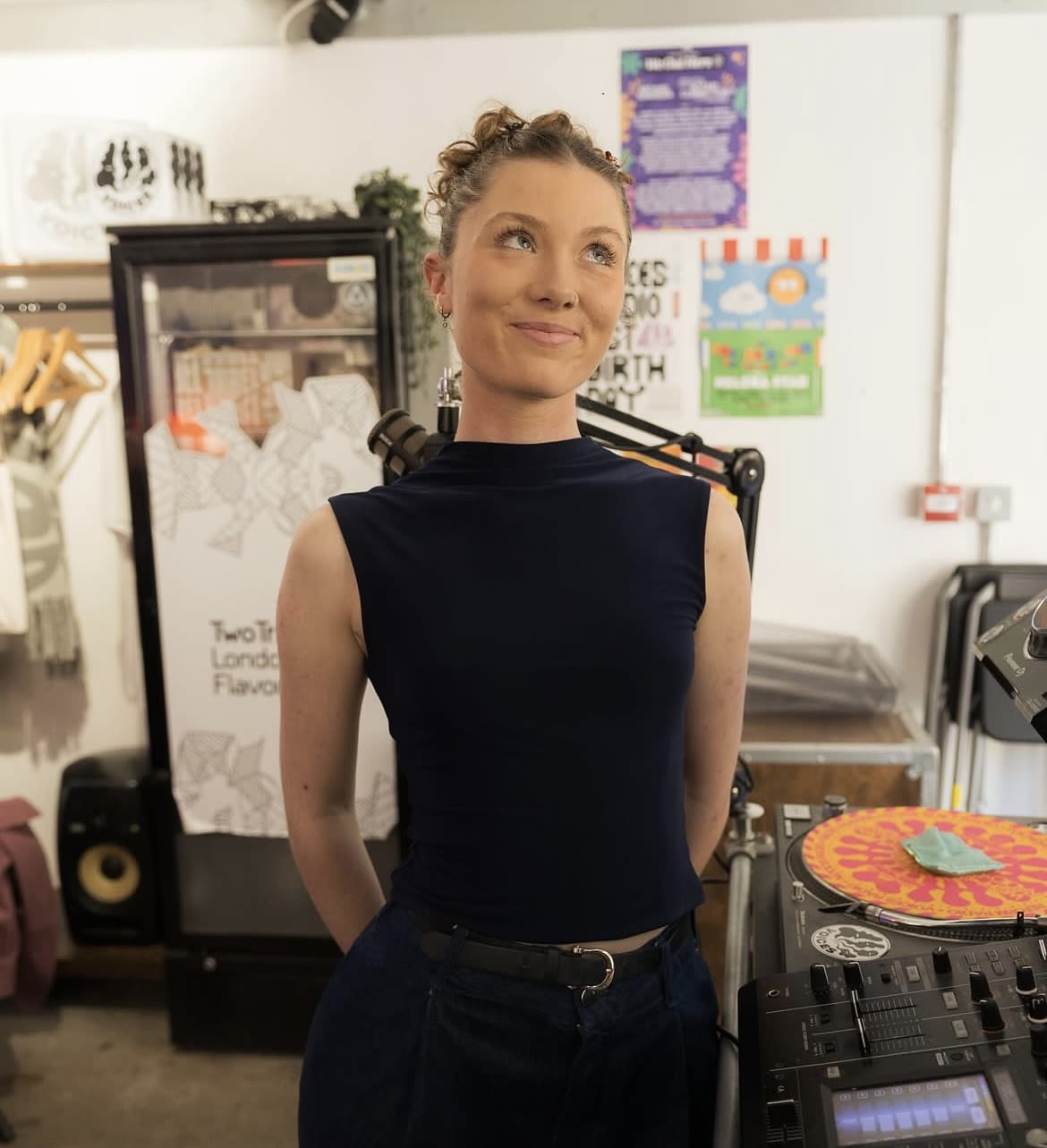
Photo by Austin Distel on Unsplash
Photo by Austin Distel on Unsplash
Overall, it’s clear that there are fewer opportunities through local radio than before, both on local, community stations, which can suffer with budgets, and through national brands removing local shows.
Listeners are also affected by these changes because of how they affect their routines, and are clearly prepared to fight for their favourite presenters.
However, there is still hope, and people can still climb the career ladder through the avenues of local, community and student radio, which are still producing original, unique content.

 Built with Shorthand