
Finding community through music
How the Sheffield One World Choir brings refugees and asylum seekers together
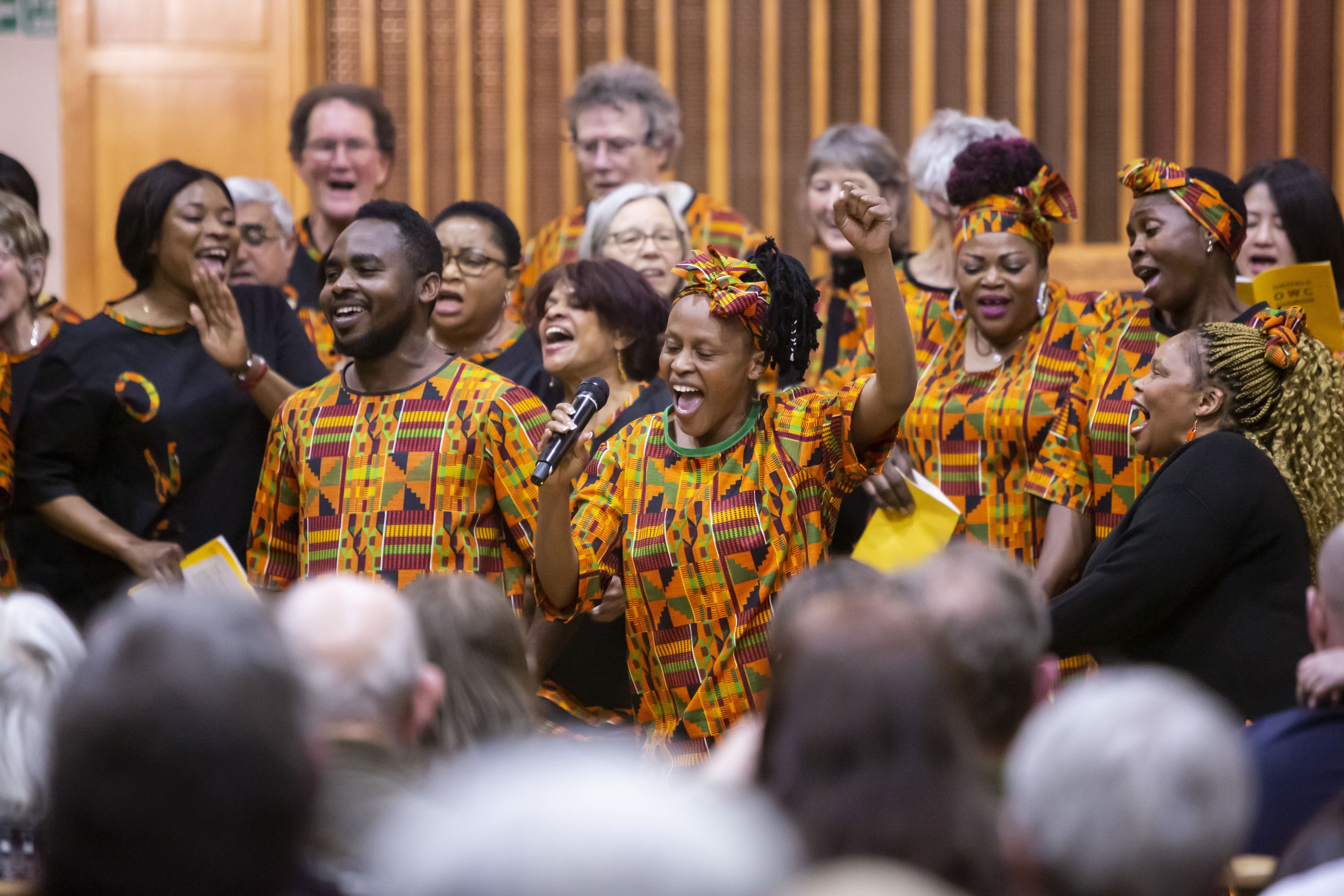

“One World Choir is family."
When Doris first joined the Sheffield One World Choir, she was still waiting for her asylum claim to go through. It was 2018 and she had been in the United Kingdom for 16 years.
Her struggle as an asylum seeker after fleeing her native home in Nigeria eventually left her in a state of depression.
But when she joined the choir, which is primarily made up of refugees and asylum seekers, the first song the group sang was Bambelela (Never Give Up).
She said: “When I heard that it rang in my head: never give up, never give up.”
“I said to myself, I can do this. I can keep on going and something good will come, and eventually it did. By the grace of god I was granted asylum.”
Like many members, Doris sees singing in the One World Choir as a form of therapy, a way of relieving her pain. It is a place of community where people from all over the world come to support each other.
“One World Choir is family. They stretch a hand of help for everybody and take everybody as one. That is why I love them most,” she said.
Mary, whose name has been changed to protect her identity, has lived in the UK for a little under two years, and was beginning to suffer from depression when her GP recommended she look for community gatherings where she can find people to connect with.
She joined a drama group where she met Doris, who then told her about the One World Choir.
Mary said: “I find the choir very helpful for my mental health. Singing is a form of therapy, it helps me forget everything that is weighing me down.”

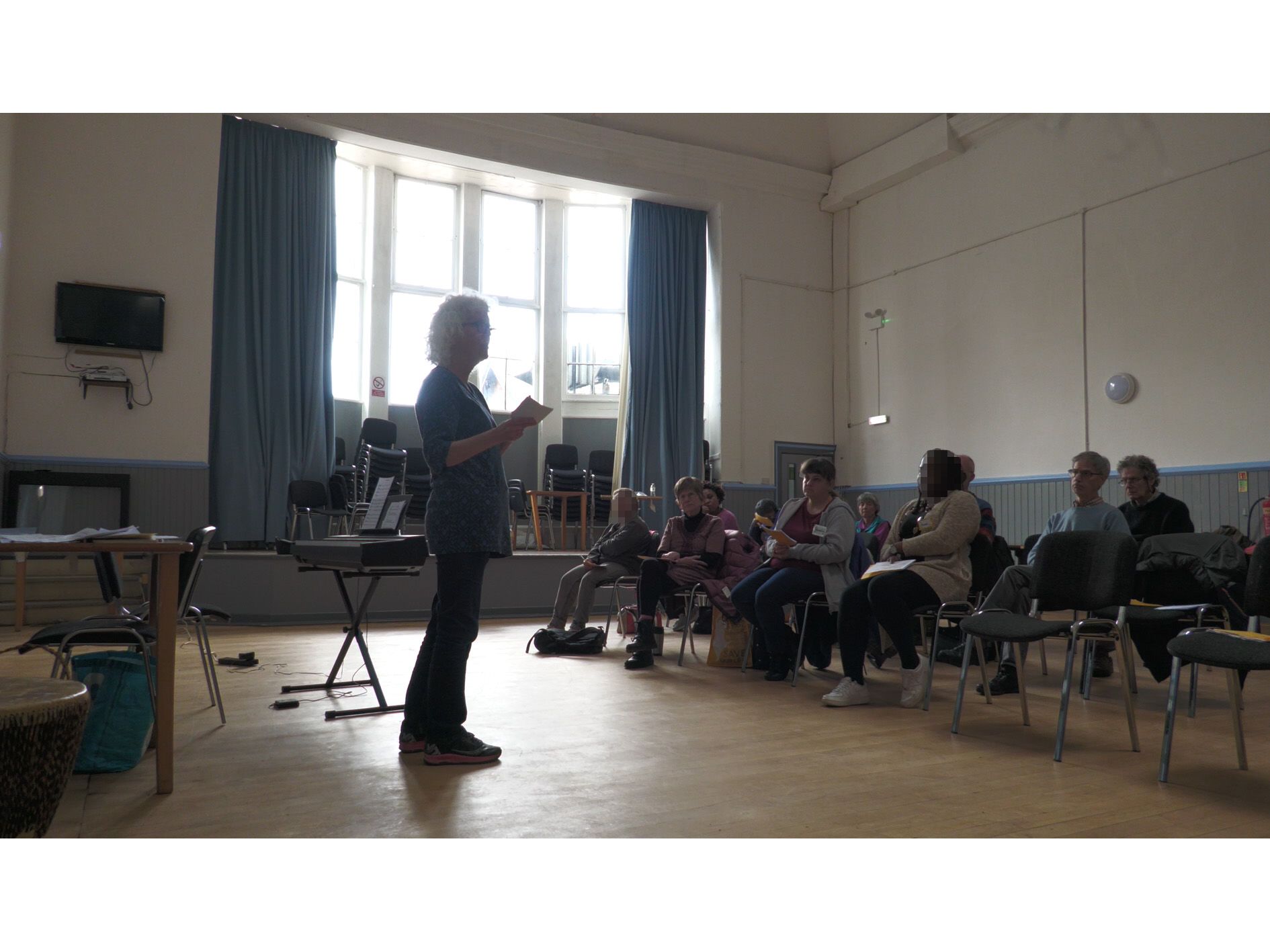
“The aim was to create a community of friendship."
The choir was founded by Emer McKay, who knew people at the various charities and organisations helping refugees and asylum seekers.
At the suggestion of one of these friends she started the choir in 2018, with rehearsals at the newly opened Sanctuary, run by the Sheffield City of Sanctuary, an organisation dedicated to supporting people seeking sanctuary across the city.
Emer had studied classical piano as a child, and has sung and played music throughout her life. She founded the Sheffield Socialist Choir in 1988, and so starting a choir for refugees and asylum seekers was a natural fit.
Emer said: “The main aim was to create a community of friendship. People have all sorts of histories, but for refugees and asylum seekers it can be incredibly isolating having to leave your home country and come to a strange land.”
Members joined from all over the world, and the choir now consists of people from African countries like South Africa, the Democratic Republic of the Congo, Zimbabwe and Sudan, as well as people from Iran, Iraq Ukraine, Hong Kong and Bangladesh.
Any refugee or asylum seeker can join and there are also members from England. But, with the focus on diversity, there are limited places available.
Emer said that the way the choir works benefits all of its members, rather than being a place where English members help refugees.
“It is mutually very supportive and very beneficial for everybody,” she said.
“We all gain from the therapy of singing together, being in a group and getting a buzz from performing. We create a social environment but enjoy singing and performing.”

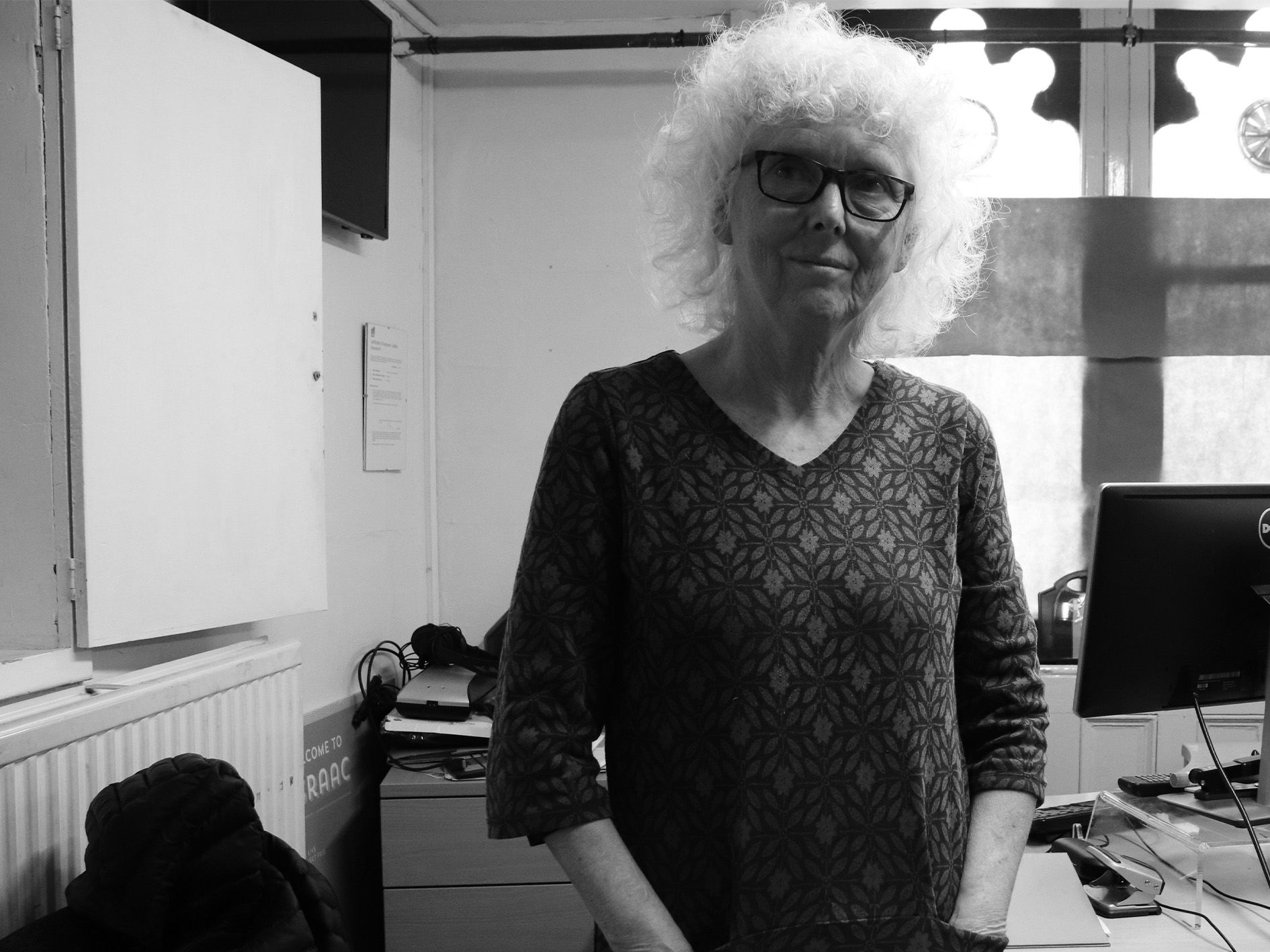
"It makes me so happy to sing Ukrainian songs."
Nataliia fled the war in Ukraine and came to the UK last summer, living with an English family in Sheffield. She saw the choir perform and enjoyed it so much she decided to join.
There are now five Ukrainians in the choir and the group has started to sing traditional Ukrainian songs.
“I’m very proud of my country and it makes me so happy to sing Ukrainian songs,” Nataliia said.
“Everyone in the choir is so kind and worries about the situation in Ukraine. They ask me all the time about my relatives and friends that are still there.
“I feel safe here and so comfortable. There is so much support and understanding and I can feel that everyone in the UK worries about the Ukrainian people.”


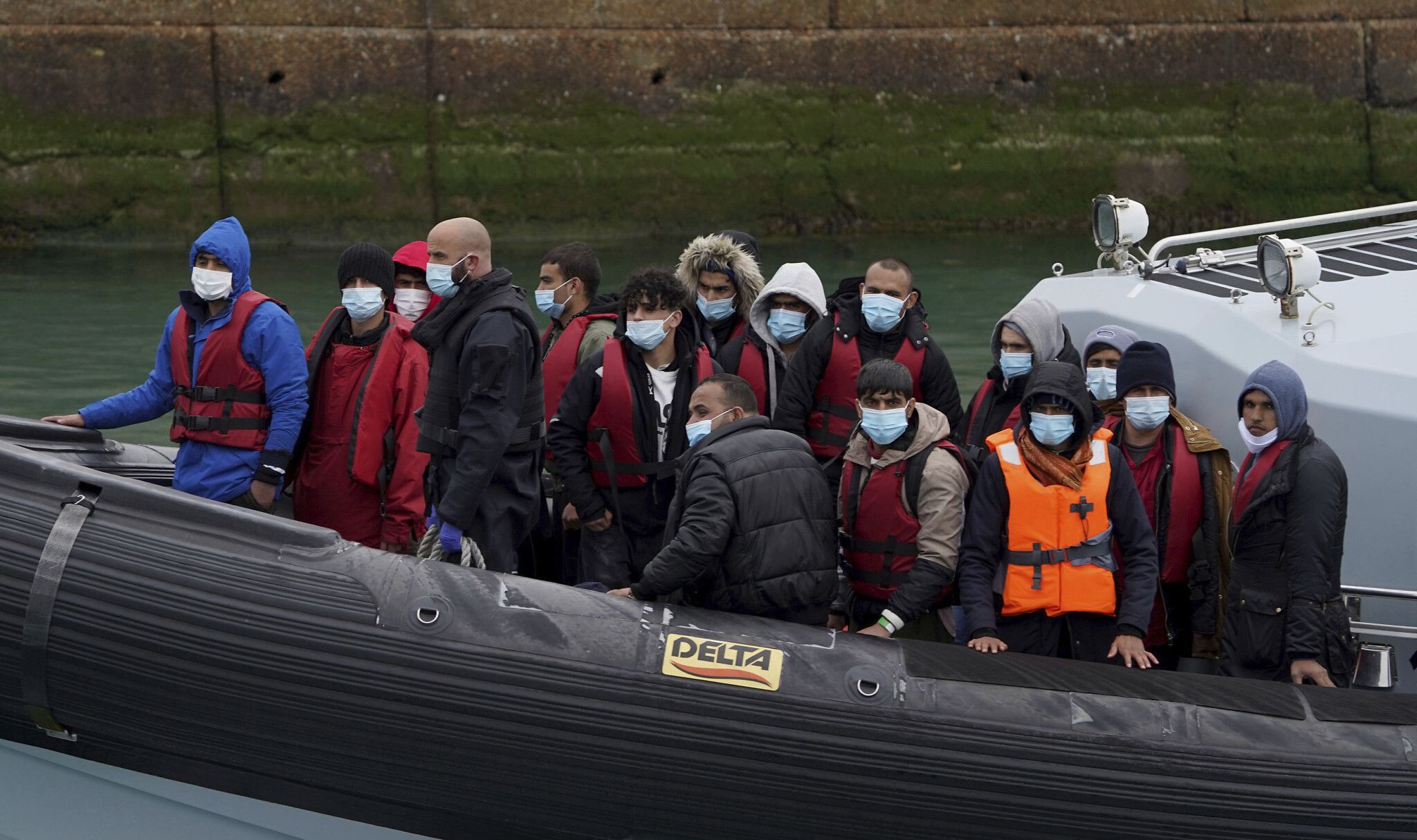
The government’s controversial Illegal Migration Bill to tackle the problem of people crossing the English Channel in small boats, as well as the recent plans to house migrants on ferries and in military bases, have put the issue of immigration front and centre of national debate.
The Illegal Migration Bill will mean the home secretary has a duty to detain and remove people who come to the UK illegally, which can involve deportation to Rwanda. Under the bill, migrants in detention cannot be granted bail or seek a judicial review until after 28 days.
The Law Society, a professional association representing solicitors across England and Wales, has expressed concern that the bill goes against the UK’s obligations under the European Court of Human Rights and the UN Refugee Convention.
And former Prime Minister Theresa May has criticised the bill as she thinks it will not solve the issue of illegal migration and the policy runs the risk of making victims of modern slavery "collateral damage".

 Built with Shorthand