Local, but systematic: Sheffield's HE crisis
Another academic year, another summer of discontent?
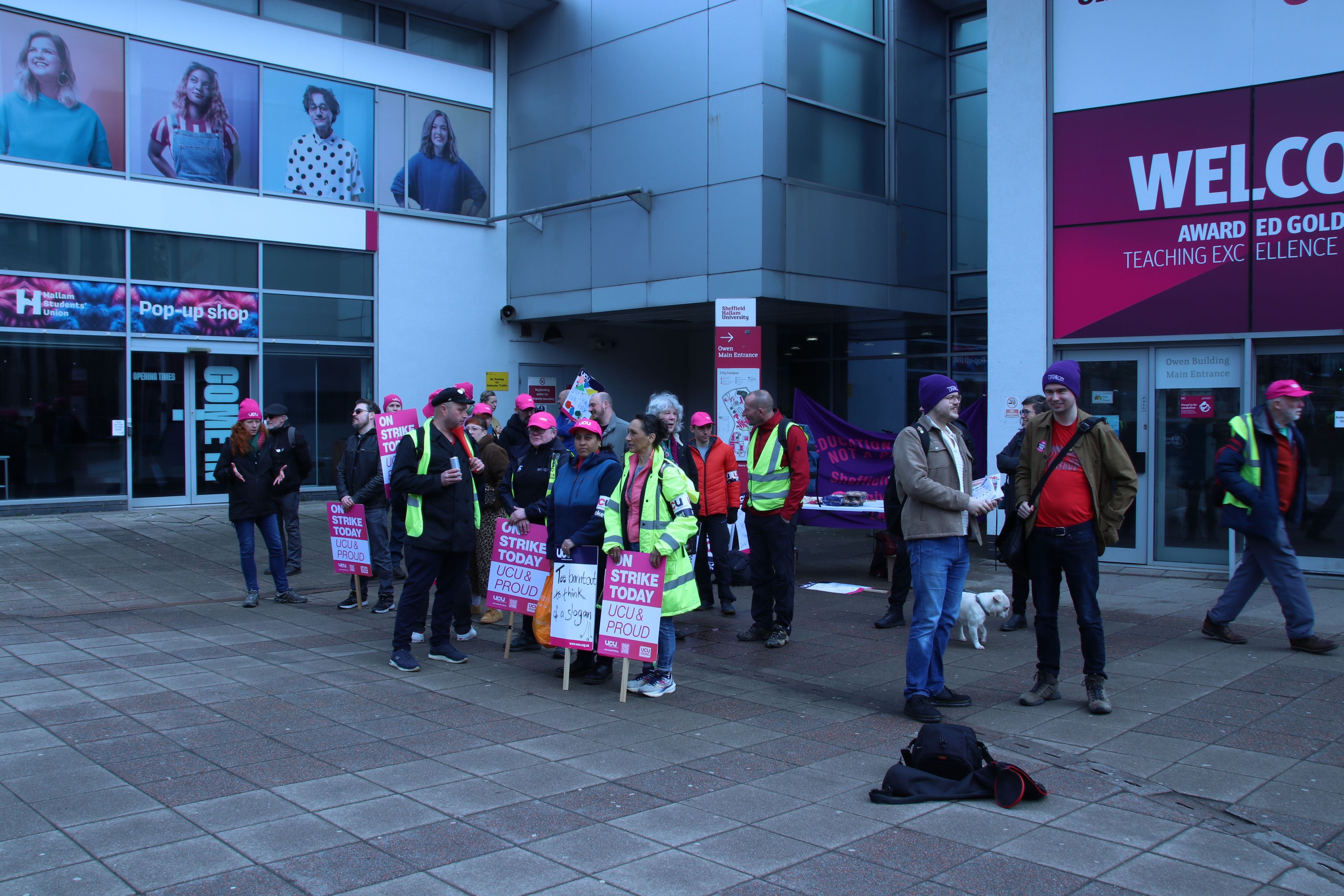

The first signs of spring in Sheffield this year have been accompanied by some less traditional events, as the city plays host to a sudden wave of strikes across higher education (HE).
During the month of March, members of the University and College Union (UCU) stepped up their industrial action against senior management at Sheffield Hallam University (SHU), the University of Sheffield (UoS) and the University’s International College (USIC).
"There are local issues but there are systematic problems..."

One dispute or many?
Although they each represent separate and uncoordinated disputes with their respective employers, a number of people picketing the Owen Building during a two-day strike on March 24 and 25 acknowledged that their concerns were not isolated from the broader state of higher education in the UK today.
The strike at SHU is itself a hangover from the negotiations that led to last year’s nationally agreed pay deal.
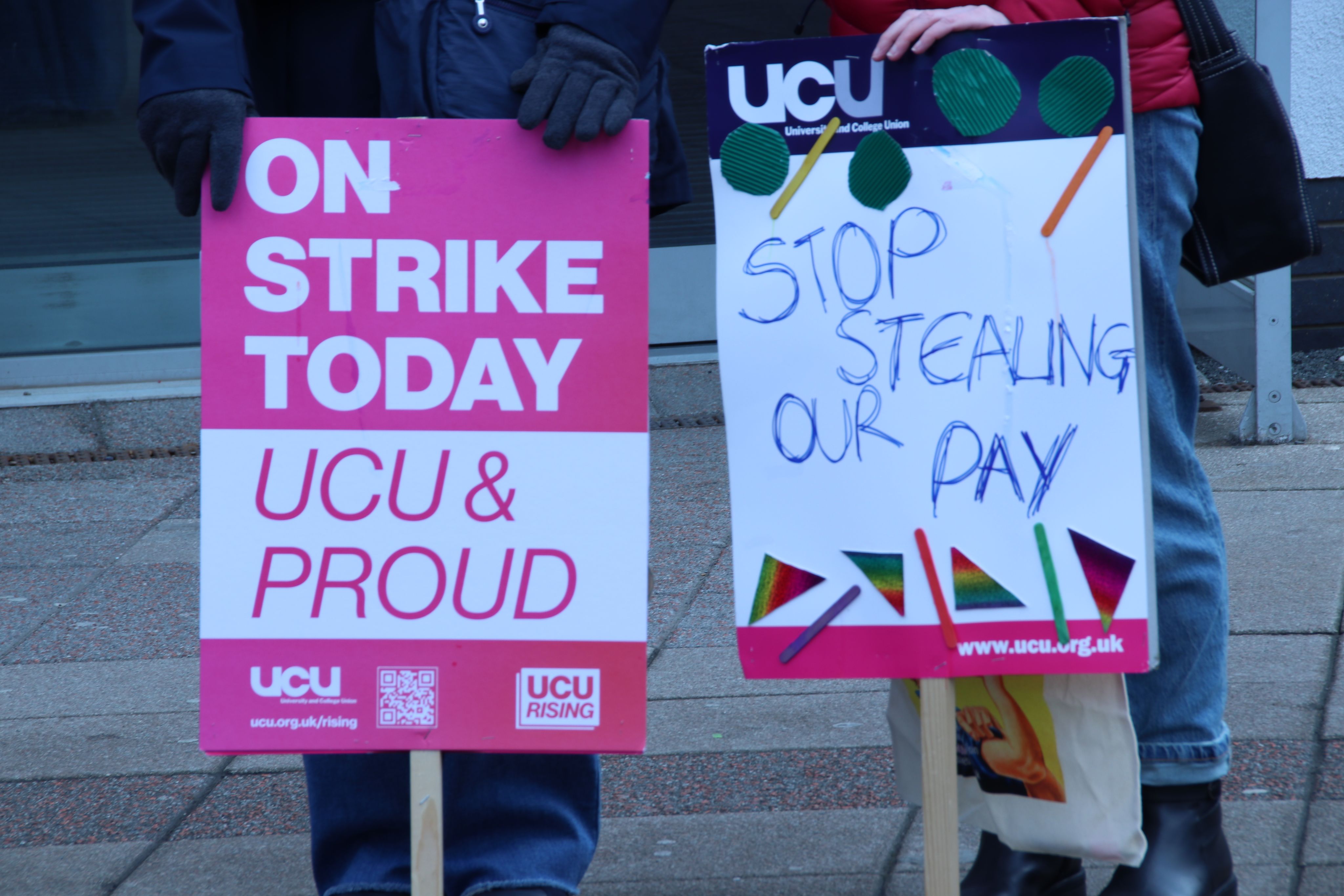
Senior management now stands accused of “wage theft” after being the only university in the Yorkshire and Humber region to withhold the additional money to its staff, citing financial difficulties.
SHU were contacted for comment, but declined to respond.
Bob Jeffreys, an officer for the UCU branch and a senior sociology lecturer at SHU, said: “We have a live mandate till August, so we’re not ruling out taking further strike action.
“The primary issue that we’re striking over is the deferral of our nationally agreed pay rise…that pay rise should have been implemented last summer. [SHU] initially said they would delay the implementation by 11 months, [but] after we threatened strike action, they reduced that to seven months. We’re looking for them to backdate that further, to give us back the pay increase that has effectively been taken from our members.”
"Utterly shameful"
Also in attendance on the picket line was Sam Morecroft, the president of Sheffield’s Trades Union Council (TUC) and chair of the USIC’s UCU branch.
Speaking on the dispute at Hallam, he said: "It is incredible that not only do employers in HE give a measly 2.5% pay increase...but [SHU] have the cheek to say that they will defer that measly pay increase."
Mr Morecroft also condemned SHU’s delay in paying out the wage increase as “utterly shameful” and asked for support ahead of a prospective strike at his workplace, in a long-running dispute over compulsory redundancies that has since been resolved in favour of UCU members.
The University of Sheffield International College is, contrary to the name, managed externally by the private pathway provider, Study Group, with its primary function being to prepare international students for HE courses in the UK through foundation and English language courses.
In a statement, the employer said: "Throughout the months of active engagement with our employees and their representatives including the UCU, we have been able to avoid compulsory redundancies through redeployment and voluntary redundancies. Several staff have been redeployed to take up new opportunities elsewhere in our network of international study centres, to continue to deliver quality global education.
"Study Group has been notified today that the planned strike action on Friday 28th March is suspended. As educators, we welcome this decision to avoid detriment to our students’ education."

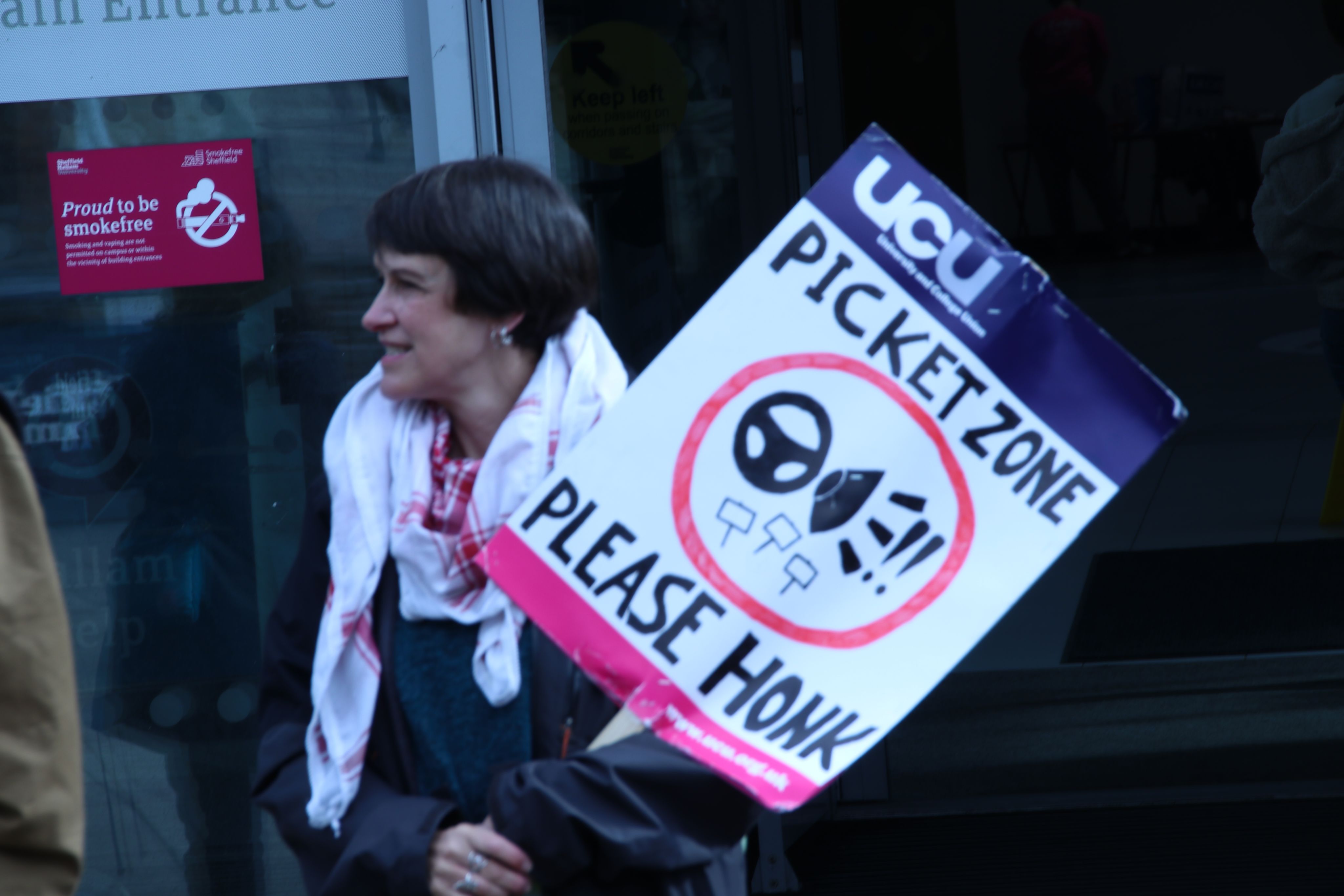
Academic staff picket Hallam University's Owen Building
Academic staff picket Hallam University's Owen Building


Bob Jeffreys, vice chair of the Yorkshire & North East TUC and a sociology lecturer at Sheffield Hallam University
Bob Jeffreys, vice chair of the Yorkshire & North East TUC and a sociology lecturer at Sheffield Hallam University
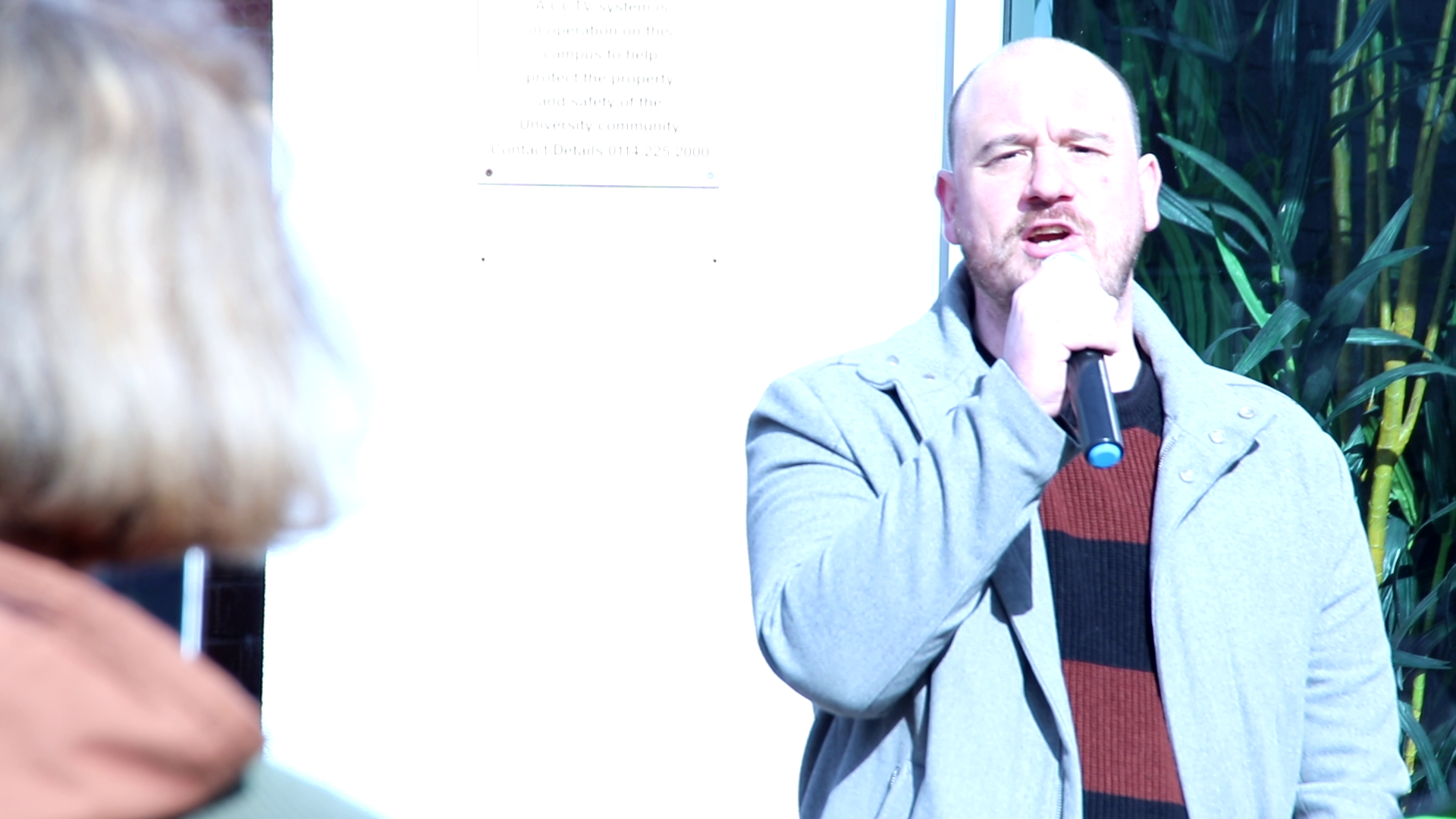
Sam Morecroft, president of Sheffield TUC and chair of the UCU branch at USIC
Sam Morecroft, president of Sheffield TUC and chair of the UCU branch at USIC


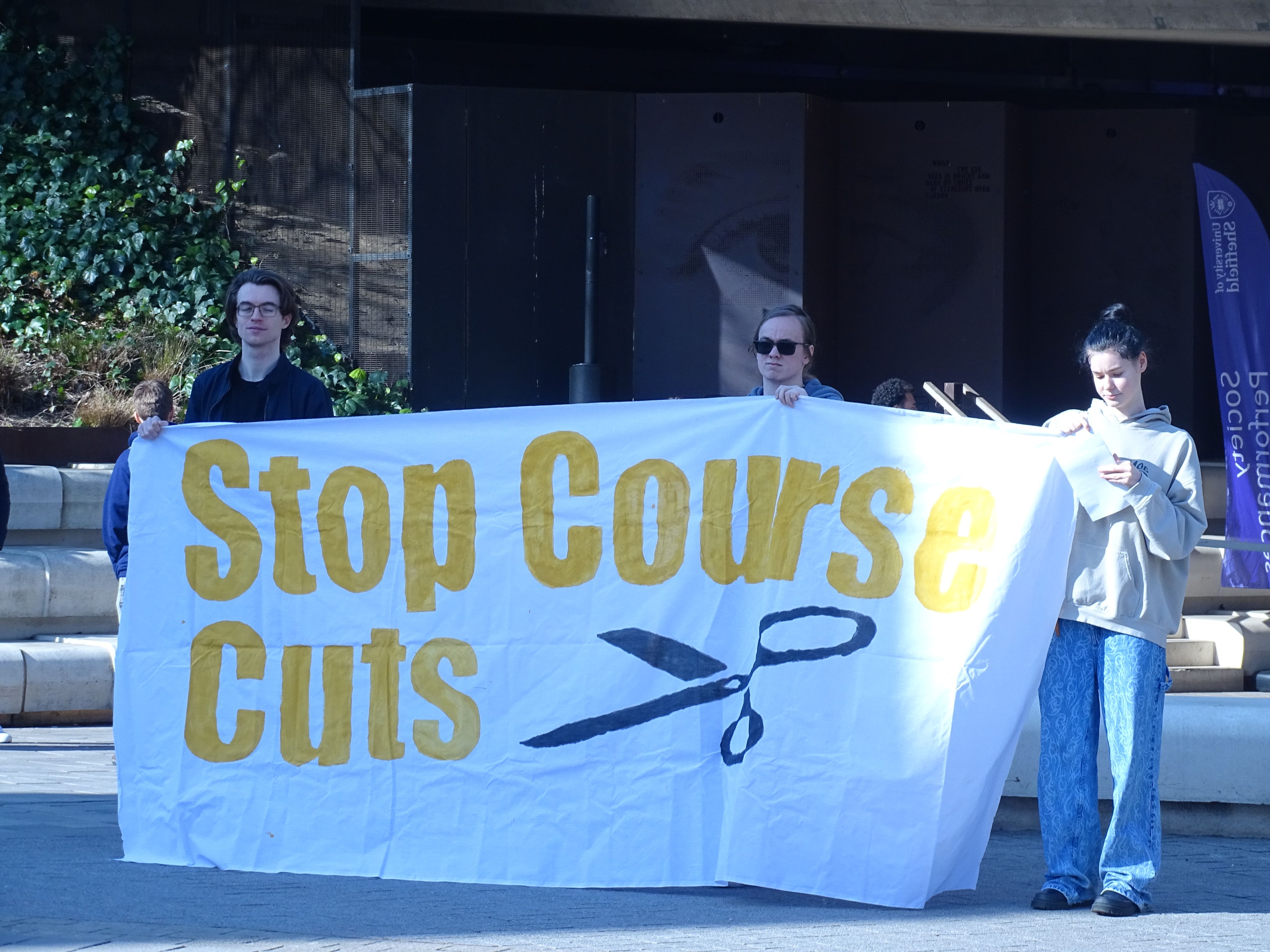
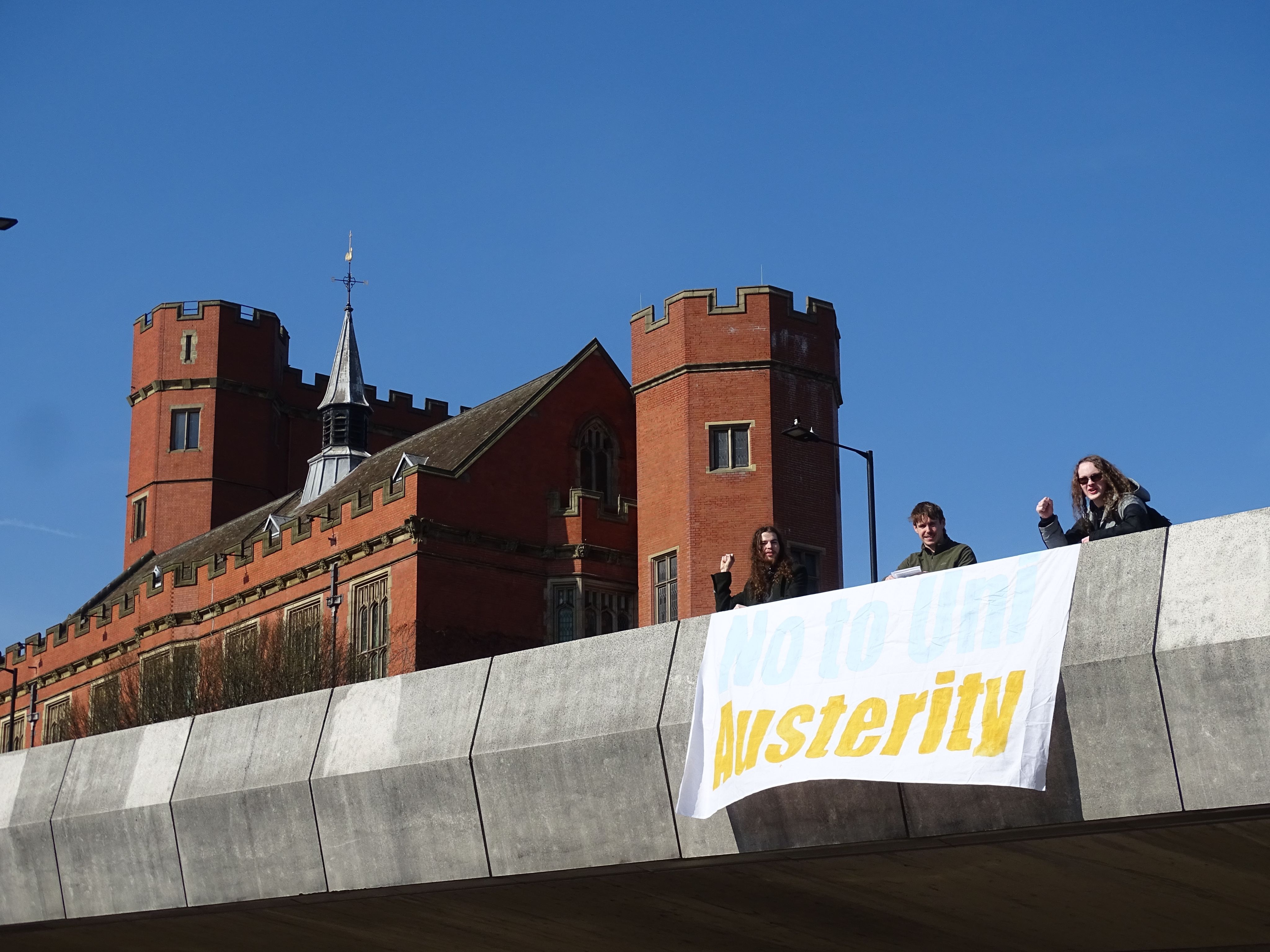
Protest during an open day at the University of Sheffield
Protest during an open day at the University of Sheffield
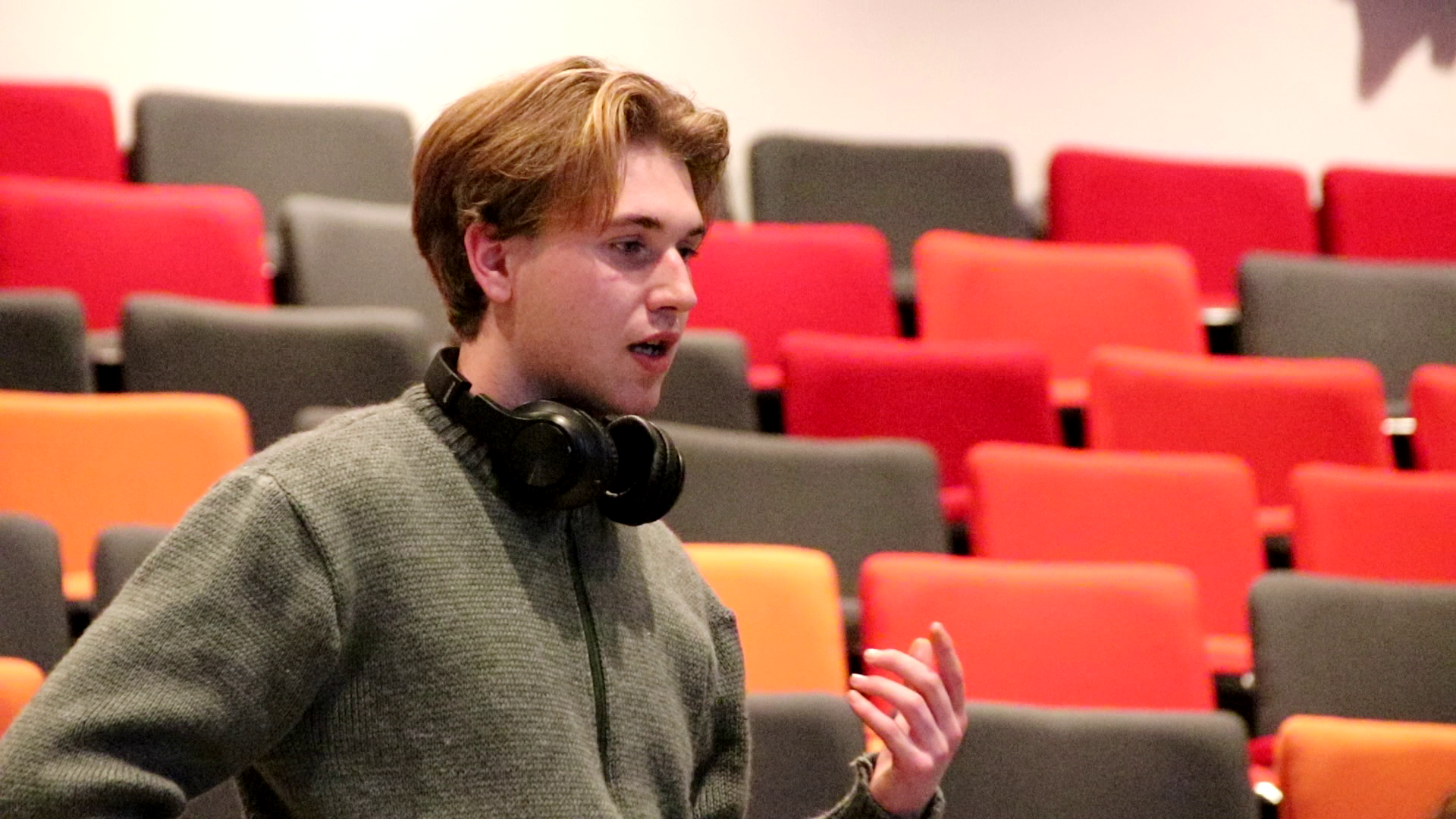
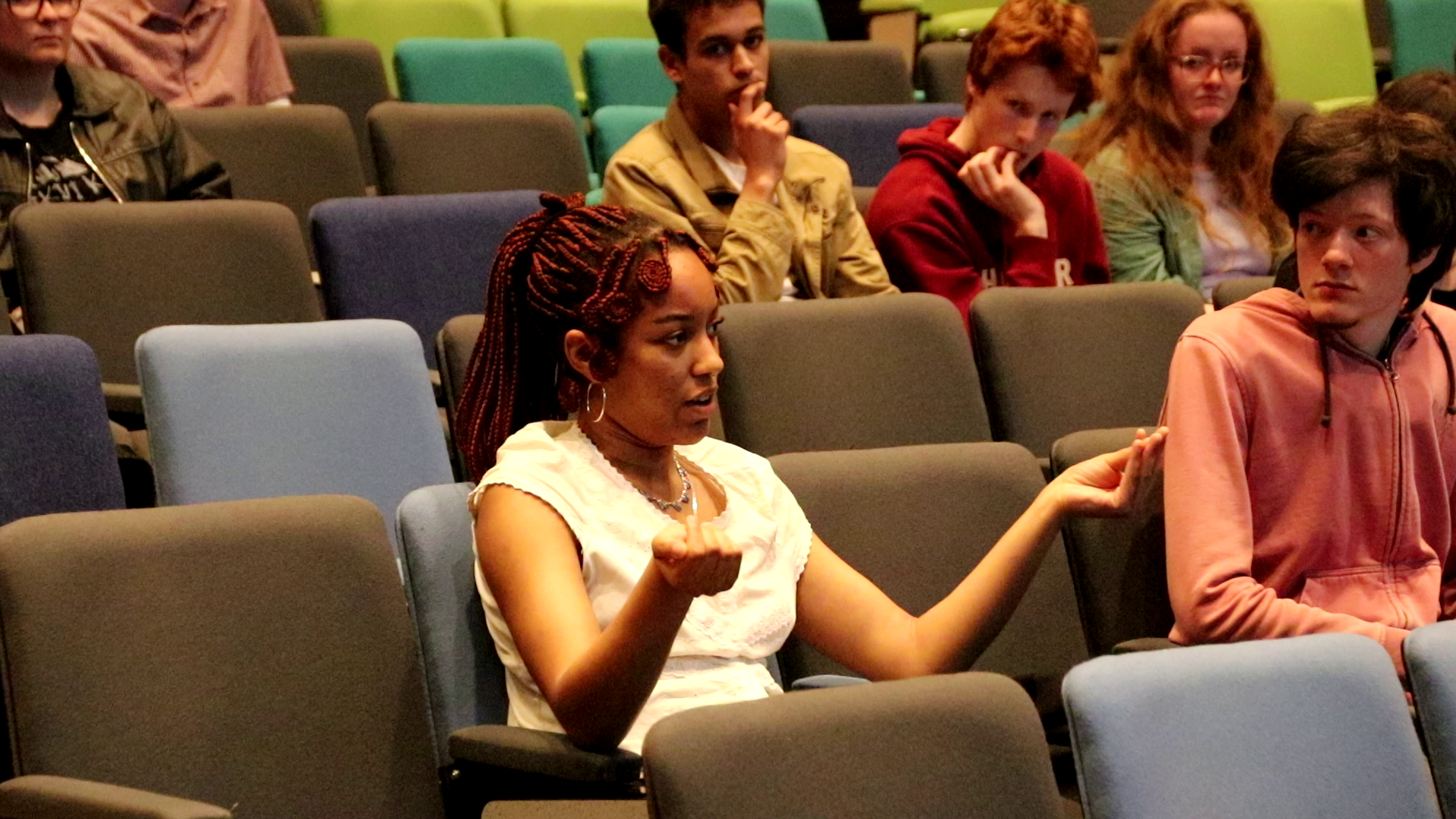
Student contributes to an open forum organised by the Anti-Cuts Coalition
Student contributes to an open forum organised by the Anti-Cuts Coalition

From left to right, representatives of the Sheffield Campus Coalition for Palestine, UCU, Anti-Cuts Coalition, Sheffield Solidarity Group and the Students' Union
From left to right, representatives of the Sheffield Campus Coalition for Palestine, UCU, Anti-Cuts Coalition, Sheffield Solidarity Group and the Students' Union
New government, old problems
The new Labour government, elected last year on a manifesto that contained no more than 133 words addressing HE, ended the tuition fee freeze for domestic undergraduate students.
In what will be the first increase in fees since 2017, students enrolling in September 2025 will pay a maximum of £9,535 per year - a rise of £285 on the current rate - in a move that was welcomed by Universities UK, an advocacy group for the sector.
Vivienne Stern MBE, CEO of Universities UK, said that the decision to raise fees "cannot have been easy for government, but it is the right thing to do".
However, when factoring in the pressures of staffing costs, partly due to the rise in employer National Insurance contributions included in the Chancellor's budget, some observers expect annual fees to continue to rise with inflation and breach the £10,000 mark.
According to a parliamentary report published in December 2024, the UK ranked bottom among OECD countries in terms of the amount of public funding allocated to HE.
Along with suggestions of further raising the tuition fee cap, alternative funding models were explored such as replacing the current system with a graduate tax paid by alumni or a levy placed on employers that recruit degree-holders.
Fluctuations in the numbers of overseas students and the raising of the alarm over a demographic decline of 18-year-olds "after 2030" speak to a chronic volatility within the financial structures of HE, as staff and students become increasingly vocal in response to the consequences.
Outside SHU, Mr Jeffreys added that: "I think a lot of us are arguing for a national ballot...it would be much more powerful and put more pressure on government."
Student solidarity
Students in the city may only be about to witness the watershed of this new wave of action, as staff at the University of Sheffield (UoS) became the third group of UCU members to threaten to withdraw their labour this year alone.
"There's also some privilege in being able to strike..."
In anticipation of this, some students formed the 'Anti-Cuts Coalition' and campaigned for an all-student referendum on two questions: expressing no confidence in the UoS executive board through the Students' Union, and mandating the union to facilitate student solidarity with striking workers.
Both motions were passed with over 2000 students voting in favour. It echoes a similar vote of no confidence passed by UCU members in November.
However, at the Faculty of Social Sciences, a number of students appeared not to have heard the news.
Among those who were aware, the sentiment was broadly supportive of the call for strikes, however one student sympathised with staff who would not walk out because "they might just need to be paid".
This dispute, which has already garnered significant media attention, adds Sheffield's name to a growing list of Russell Group universities, such as Cardiff and Durham, implementing substantial job cuts and closures to degree programmes.
A total of 10 days of strikes have been declared, with the first set to take place on April 30, followed by nine days after the May Day bank holiday.
📣📣 We have notified our employer of 10 days of escalating & hard hitting strike action to hit the last three weeks of teaching (30th April - 16th May).
— Sheffield UCU (@sheffielducu.bsky.social) 11 April 2025 at 16:53
At a meeting organised by the Anti-Cuts Coalition, students shared ideas in support of staff, ranging from teach-outs to fundraisers for strike funds, in addition to hearing about fiscal alternatives to the cuts.
Jack, a PhD student and UCU rep for postgraduate researchers, explained how "the university are currently restructuring about 40 departments at the same time, which is completely unheard of".
Responding to a request for comment, UoS said: "We are taking a proactive and strategic approach to the current challenges facing UK universities so that we can continue to deliver the excellent education and student experience for which Sheffield is renowned.
"We expect that the vast majority of our students and staff will be unaffected by any industrial action."
The university also rejected allegations by the UCU that "up to 1,000 jobs are at risk" and expected the number to be "significantly lower".
Robyn Ortifelli, president of the UCU branch at UoS said: "Staff and students are at the heart of this institution and now is the most important moment for us to stand together and demand better."

 Built with Shorthand