
More than just a game : How Walking football is keeping Sheffield young.
One of England's fastest growing sports is opening doors for many, allowing social interaction and accessible exercise for an older generation struggling to stay active.


On a bitterly cold afternoon in Sheffield, a voice cuts through the air calling for the ball on the wing.
89-year-old Harry Barton receives it, walks forward and has a shot on goal.
He hasn’t let a brain bleed and prostate cancer keep him away from the game he loves. Playing weekly with Sheffield Wednesday’s community walking football group, Harry credits the sport with giving him a new lease on life. ‘It makes me feel 20 years younger,’ he says, his passion for the game burning brighter than the fading winter sun.
Over 60,000 people are estimated to play walking football in England, making it one of the fastest growing sports in the country, the majority of which are over 50. The sport offers much needed physical activity, social relief and allows genuine connections with others, all aspects of life that often come few and far between for many as they move into retirement.

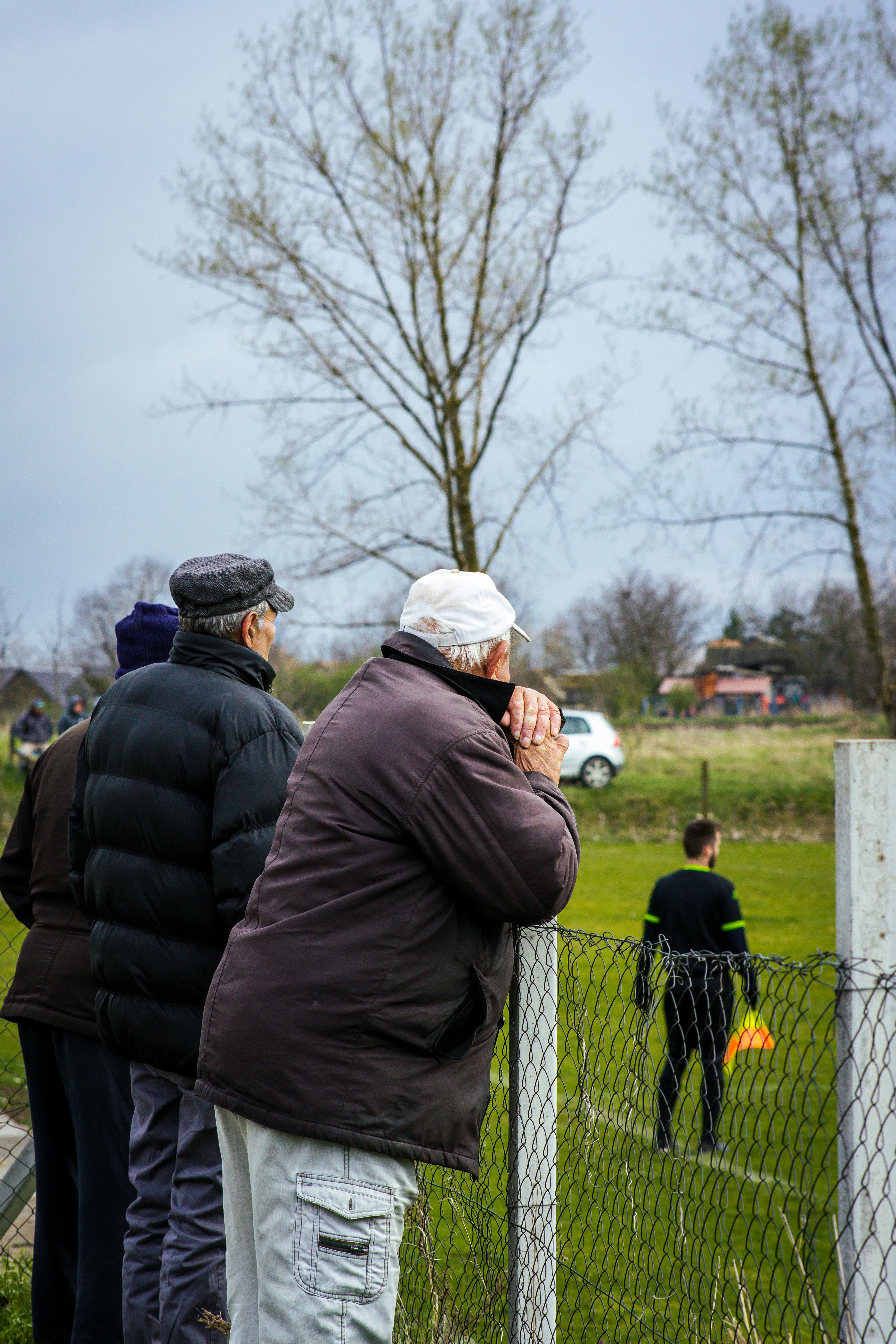
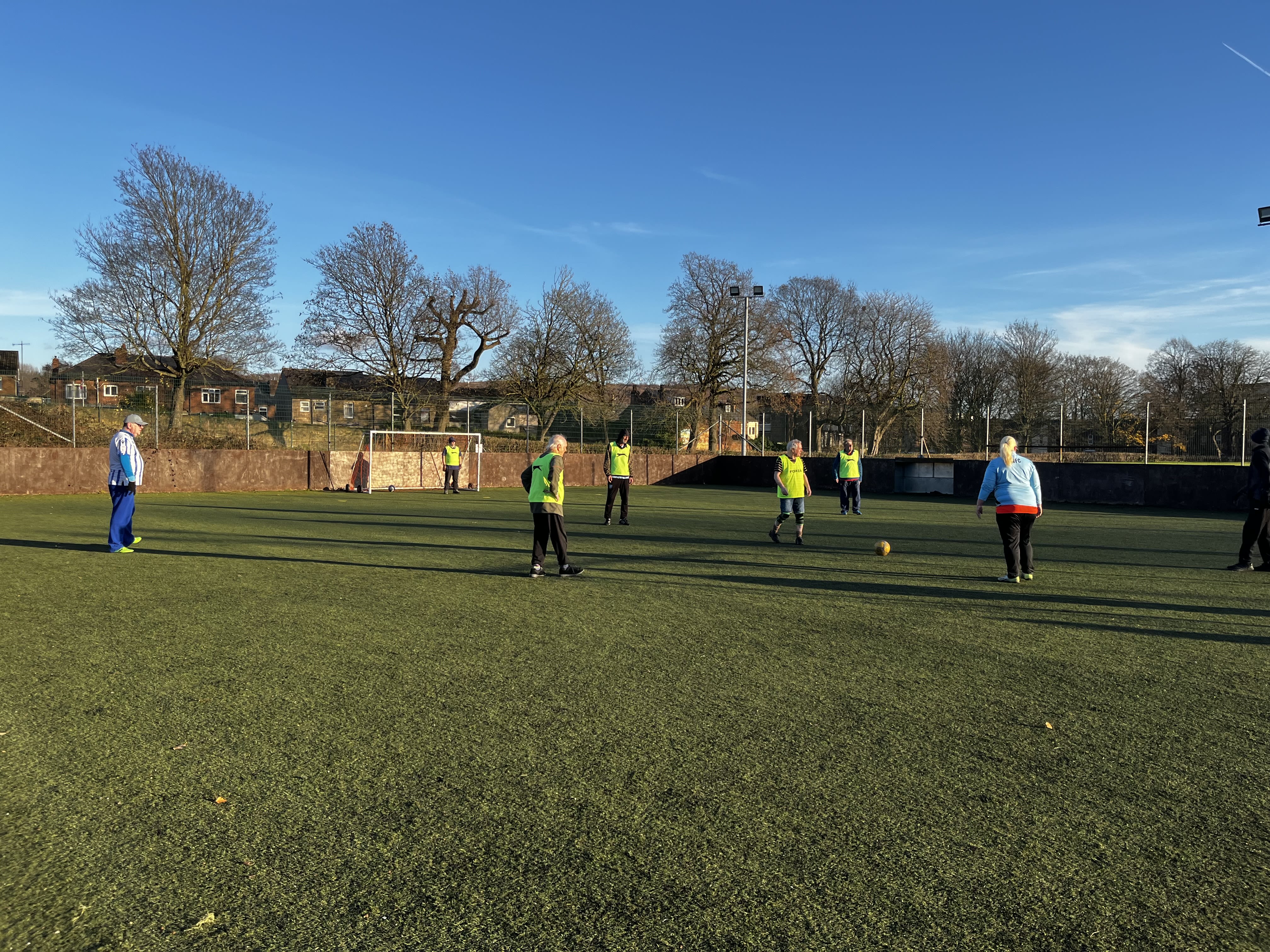
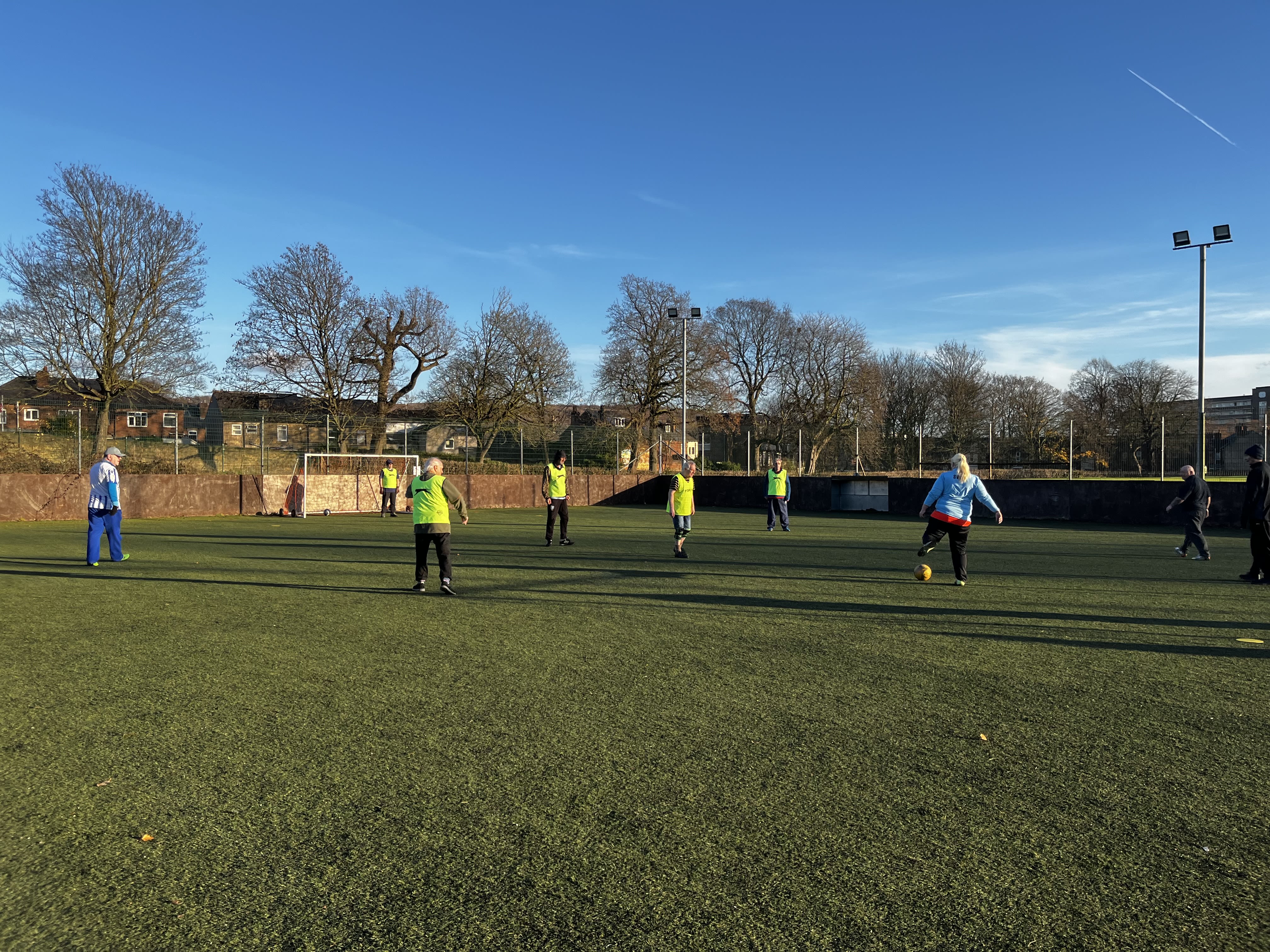
Walking football allows a way back into the game for many who may have thought their playing days were over.
Walking football allows a way back into the game for many who may have thought their playing days were over.

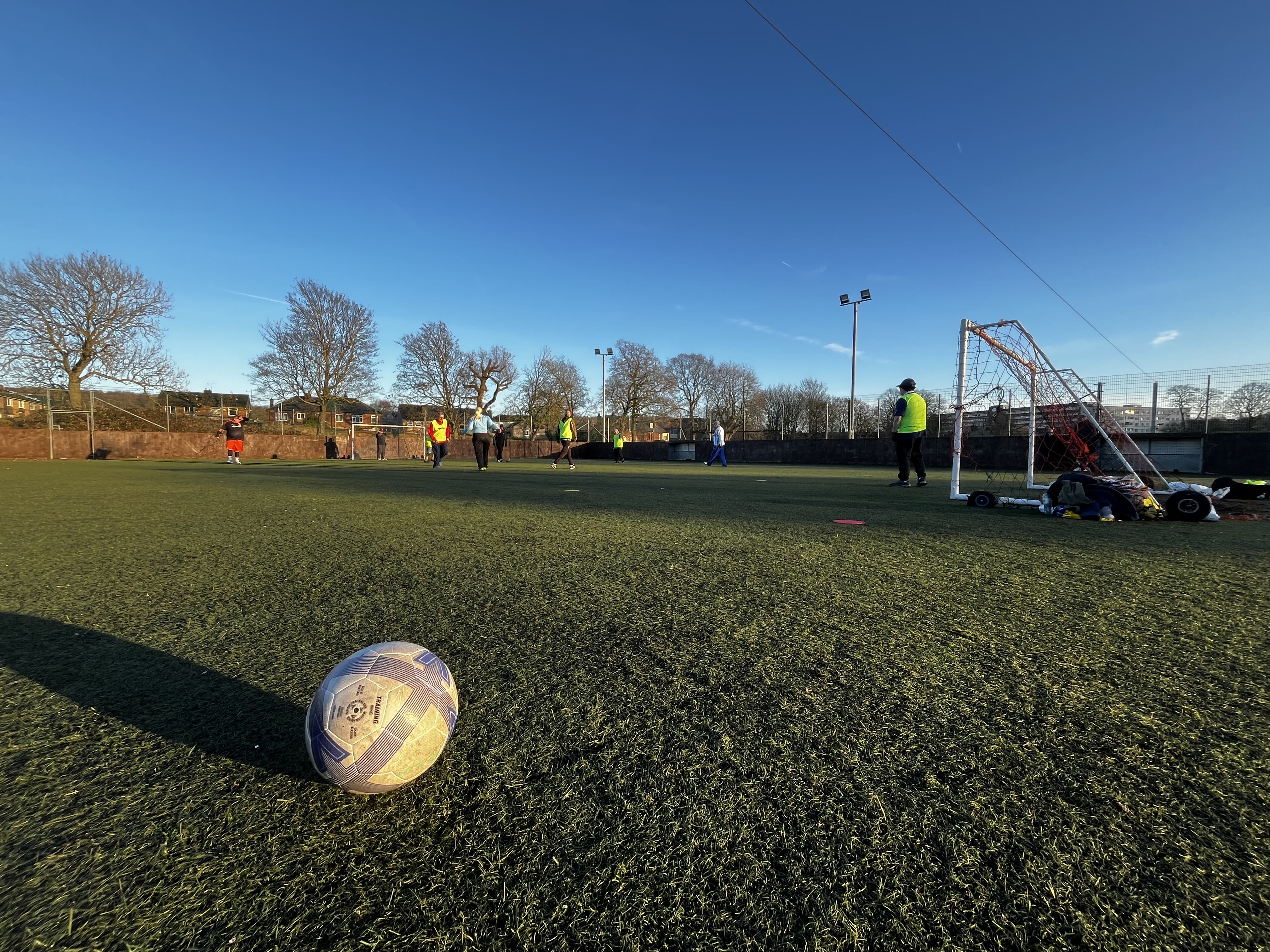
‘’When I retired in 2016, I wasn't exercising enough, put some weight on and got low moods and depression through that’’. Peter James, a 73 year old retired school caretaker, spoke about how walking football got him through the toughest period of his life.
‘’I don't think I’d still be here without it, I would've carried on eating too much, not exercising and ended up with something serious, it's kept me going’’
Peter isn’t alone. Across the country and in Sheffield, walking football has become a lifeline for those who have left the workplace, are dealing with the challenges of aging and may have thought their days of playing any sport let alone football were over.
The sport which plays as traditional football with a few caveats - no running, persistent physical contact, sliding challenges or heading of the ball. Aimed to make the game as inclusive as possible allowing all ages and abilities an opportunity for physical activity and serve as an entry point back into exercise for many who haven’t in years.
Dr. John Binham, a GP partner in Chesterfield, which is where walking football originated, talked about how important movement is for the human body, even more so as we get older. ‘’The human body is designed to move, so really rather than looking at the primary health benefits you should be thinking about how negative an impact you have on the body if you are not moving on a regular basis’’
‘’In terms of the benefits, it will of course have an impact on people’s physical wellbeing and improve things like insulin sensitivity which is reducing your risk of diabetes, as well as a role in improving strength muscle mass and cardiovascular fitness which drops off sort of after the age of 40.’’
The sport allows older people an opportunity to reduce their own risk of contracting serious health conditions. Physical inactivity increases the risk of cardiovascular disease by 35%, type 2 diabetes by 40%, and certain cancers, such as colon and breast cancer, according to the British Heart Foundation and NCD Alliance.
This underlines a core principle of the sport - it’s not just about football, it is a way for people to reclaim control of their lives, get outside, get moving and generally improve their quality of life tenfold in a way that's comfortable and accessible for them.
‘’We have got into a state nowadays where we think that exercise is something we should do but actually it’s something we need to do and has to be a part of our daily routine’’ he added.
The positive impacts of regular exercise have changed the lives of players like Harry and Peter. ‘’I struggled to walk before I started playing. Now I average 10,000 steps a day and regularly walk a lot further than I used to be able to’’, Peter said.

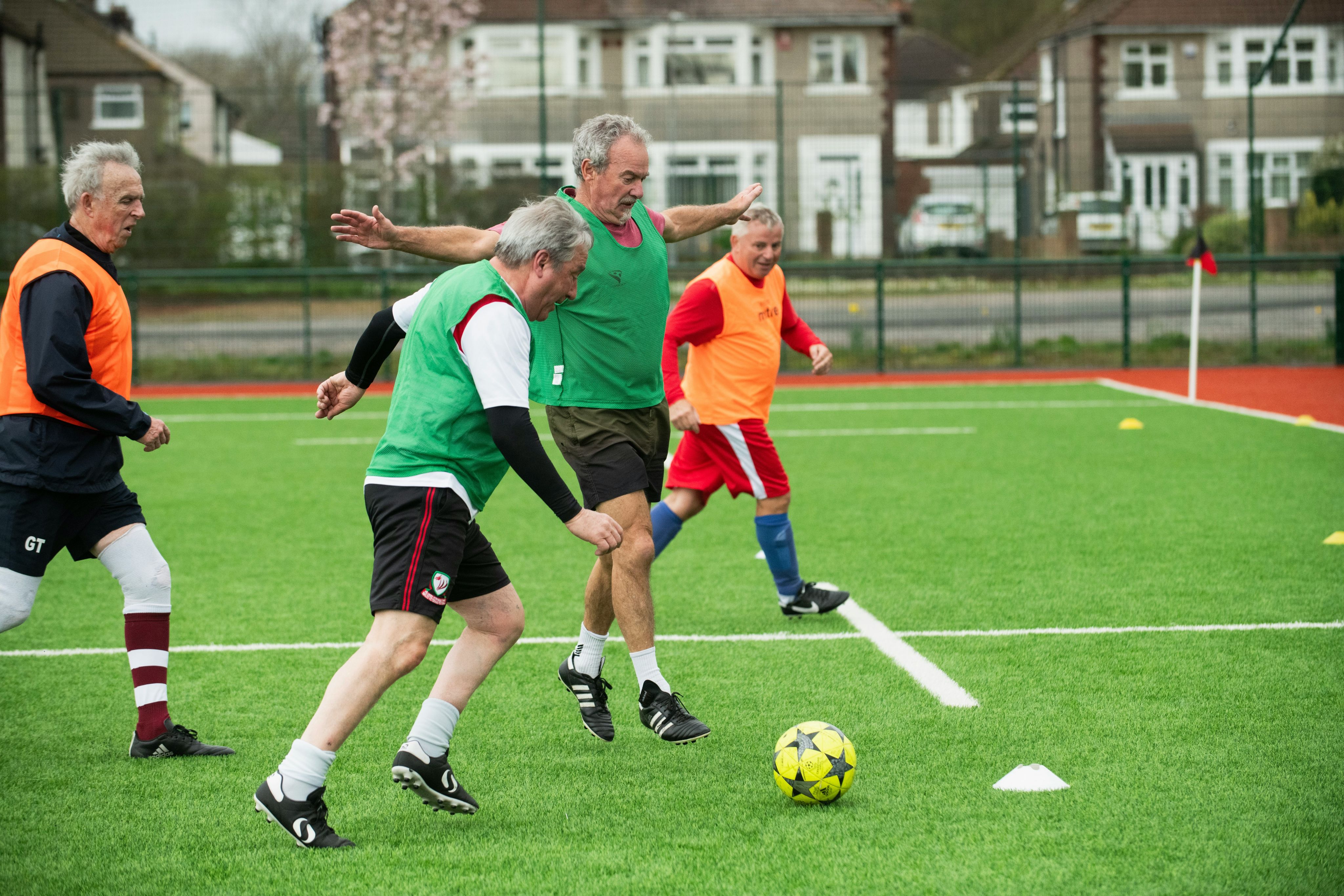
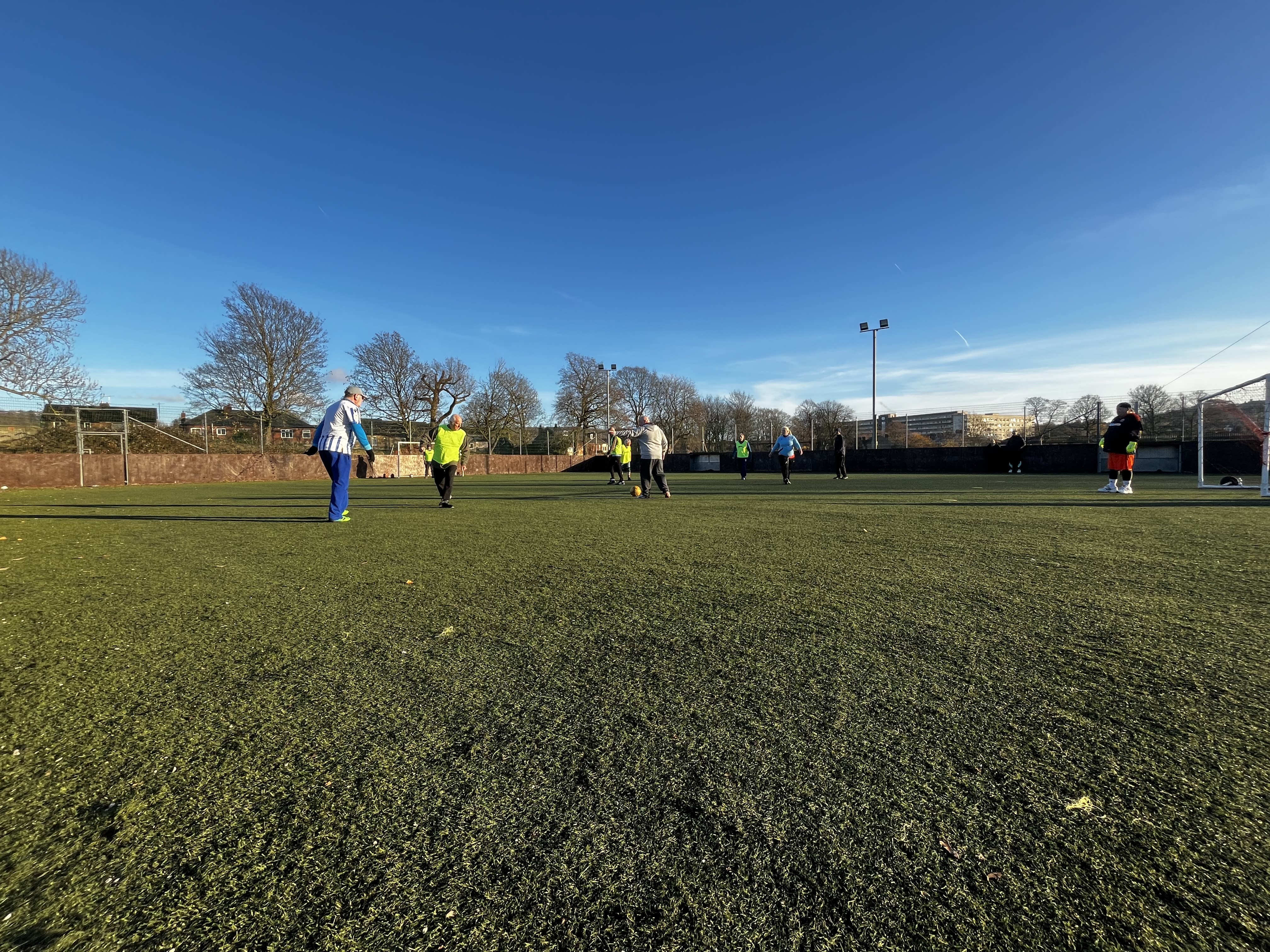
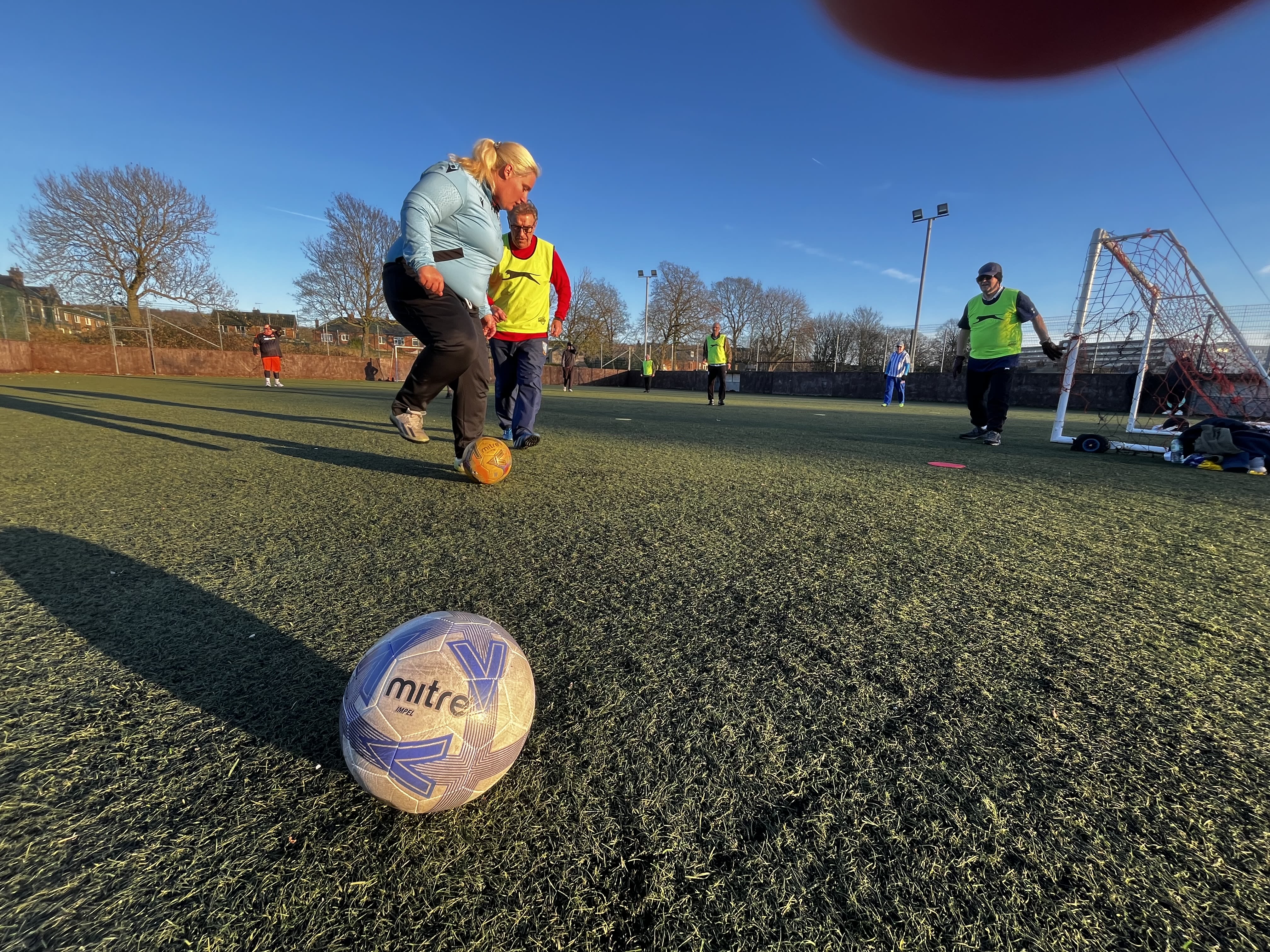
Physical movement allows older people to be less at risk of developing serious health conditions.
Physical movement allows older people to be less at risk of developing serious health conditions.
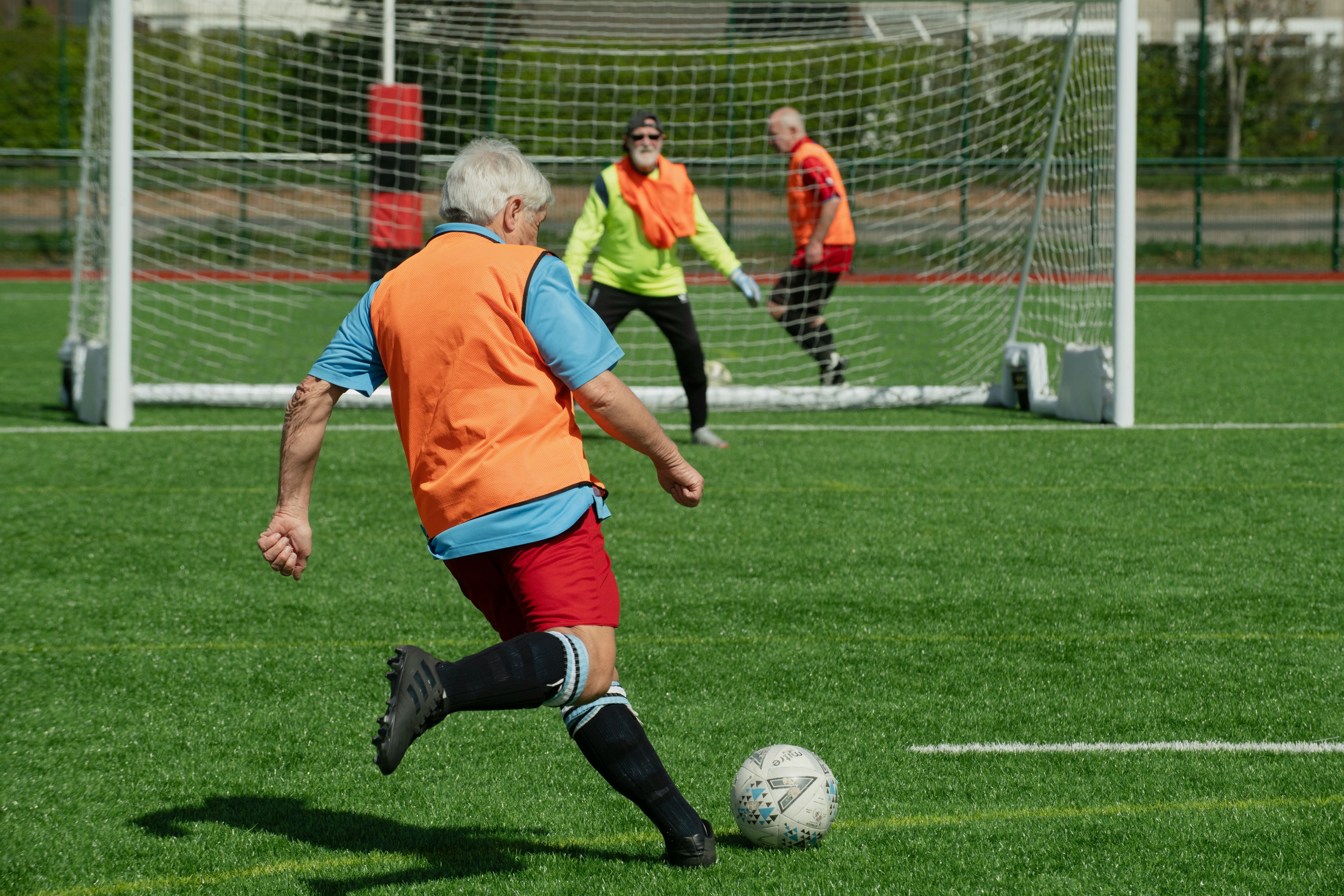
Physical movement allows older people to be less at risk of developing serious health conditions.
Physical movement allows older people to be less at risk of developing serious health conditions.
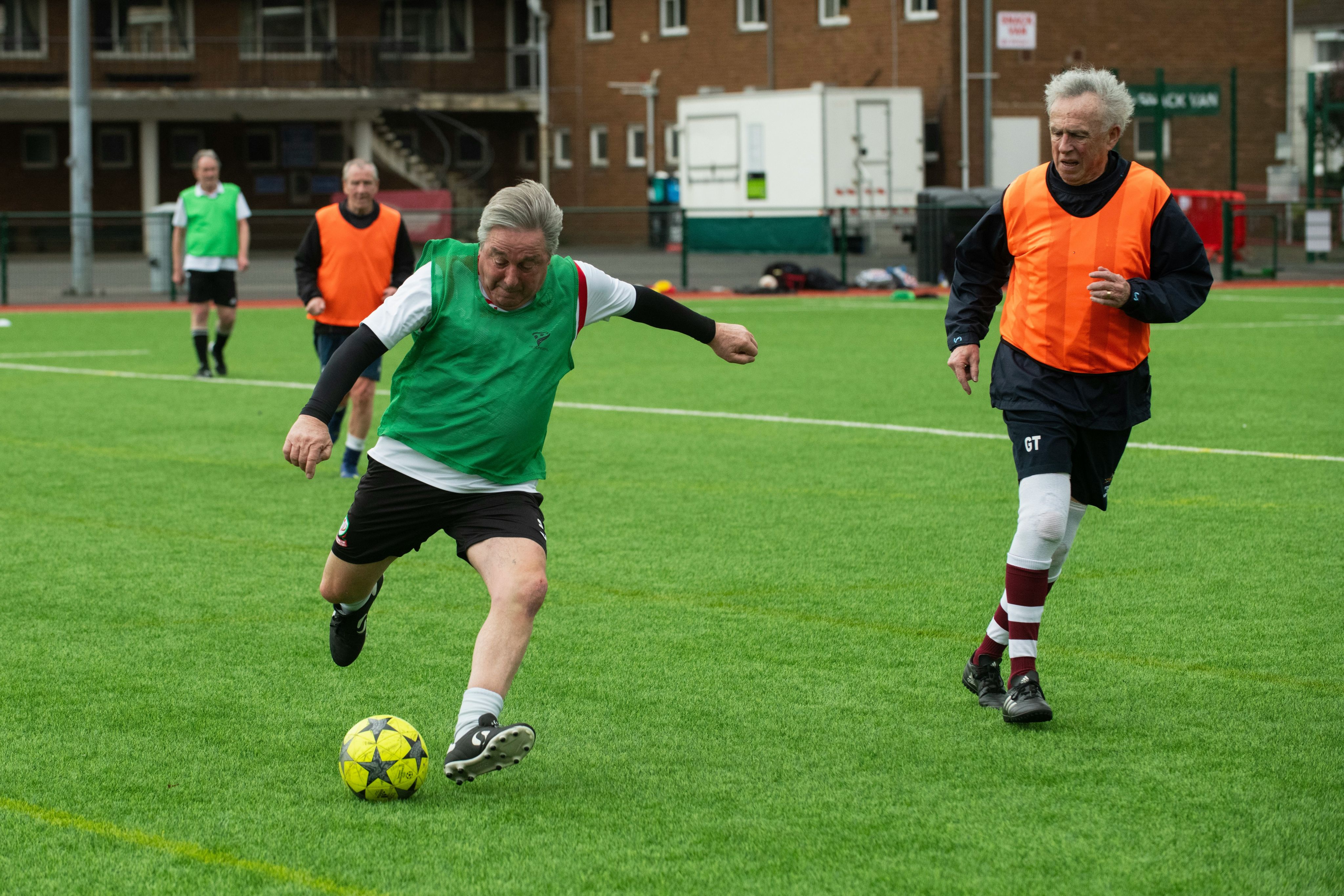
Physical movement allows older people to be less at risk of developing serious health conditions.
Physical movement allows older people to be less at risk of developing serious health conditions.
''Mentally I don't feel alone anymore''
-Alan Crawshaw, walking football player


Physical improvement isn’t the only benefit the sport provides. According to Age UK over 12,000 older people in Sheffield are lonely, having a detrimental affect on their mental and overall health.
For many having a weekly outlet to socialise, get outdoors and talk to others is an invaluable addition to their calendar, walking football provides this.
Alan Crawshaw, a 58 year old full time carer of his son and another member of the SWFC community walking football sessions talked about how this aspect of the sport helped him massively. ‘’It turned my life around, I hit a brick wall about 10 years ago when I was thinking is this all I've got in my life (looking after his son), and I wanted something for me that didn't involve my son, something for me to look forward to’’.
‘’It was the best phone call I’ve ever made to say sign me up, mentally I don't feel alone anymore the amount of good it's done me I couldn't advocate it any more’’.
''They are people who are there for you, we’ve got each others back, it doesn't matter what badge is on the shirt, I love them all to bits, they really are my friends, people I can trust who will put their arm around me and ask if I’m alright and I’d do the same for them'', Alan added.
The social side of the game is what keeps people coming back week after week. The UK has an ageing population crisis and community based activities like walking football are making sure the older generation don't feel as though they are merely running out the clock.

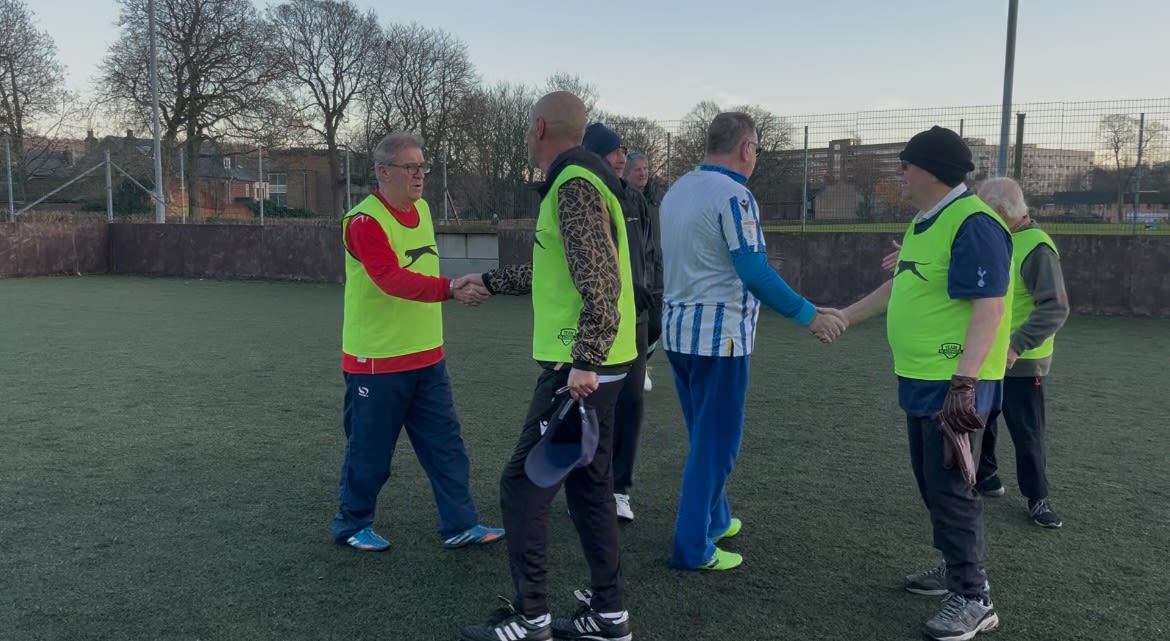
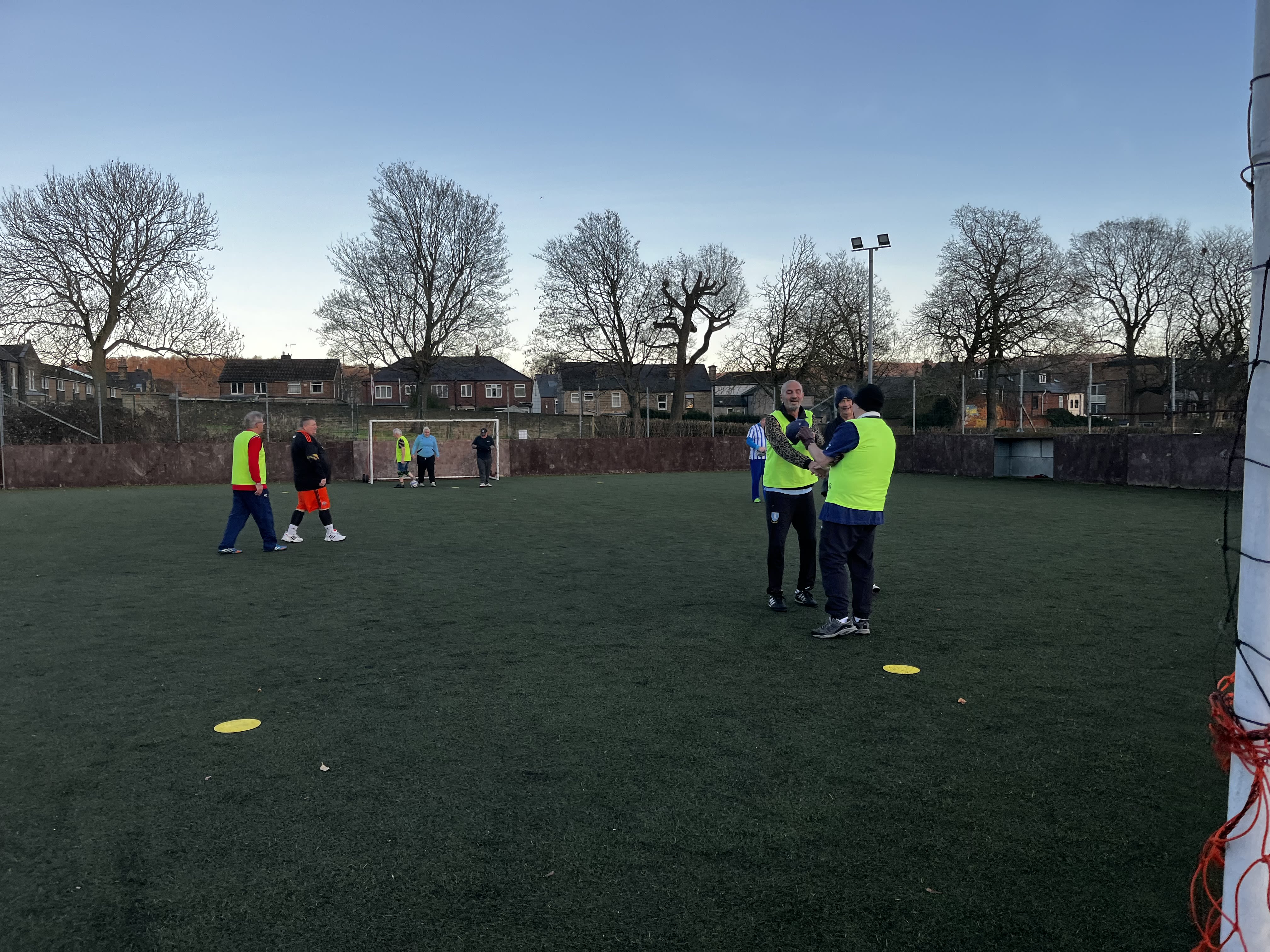
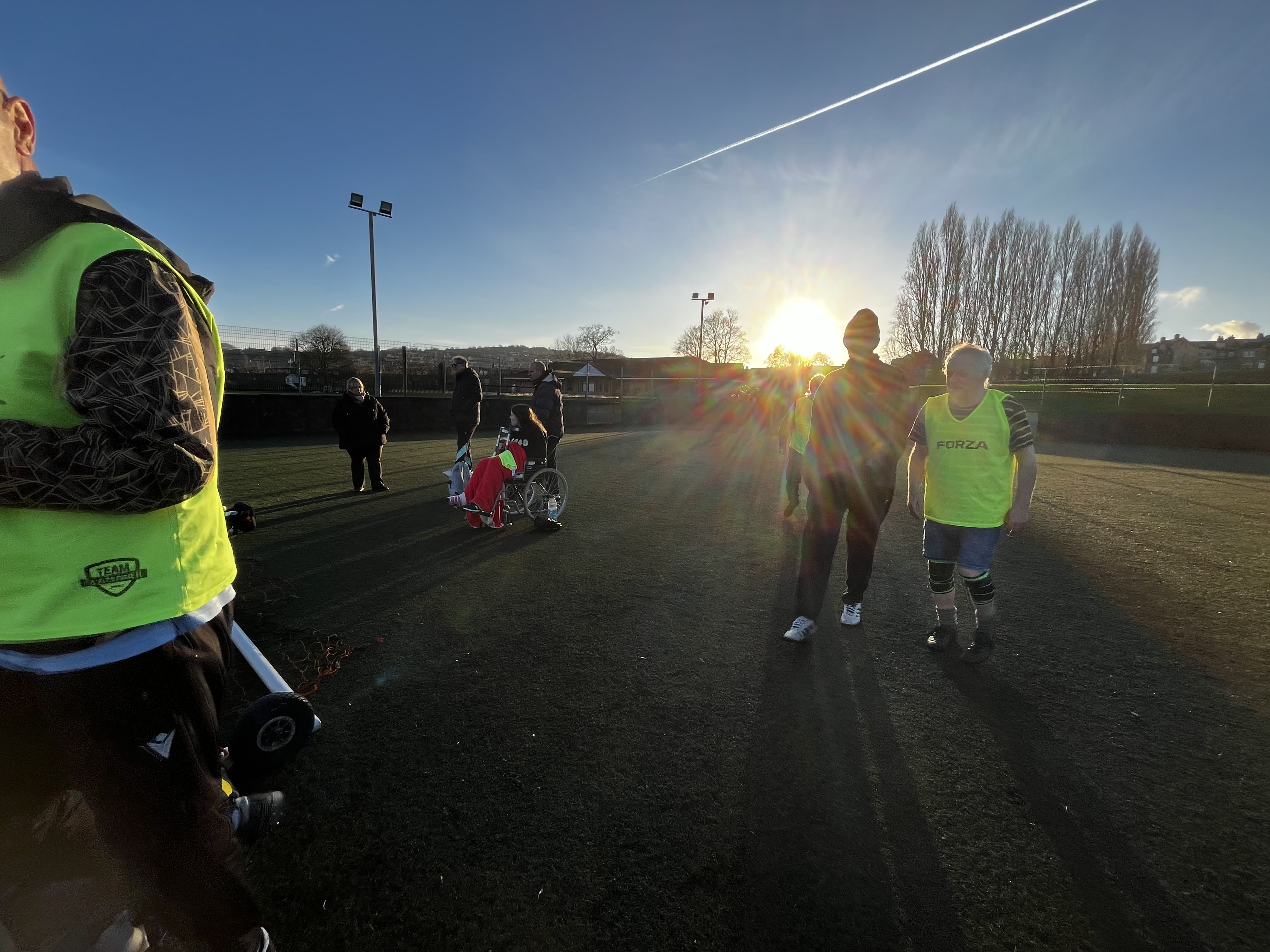
Socialising and having a chat after the game is common practice under the more relaxed atmosphere of walking football.
Socialising and having a chat after the game is common practice under the more relaxed atmosphere of walking football.

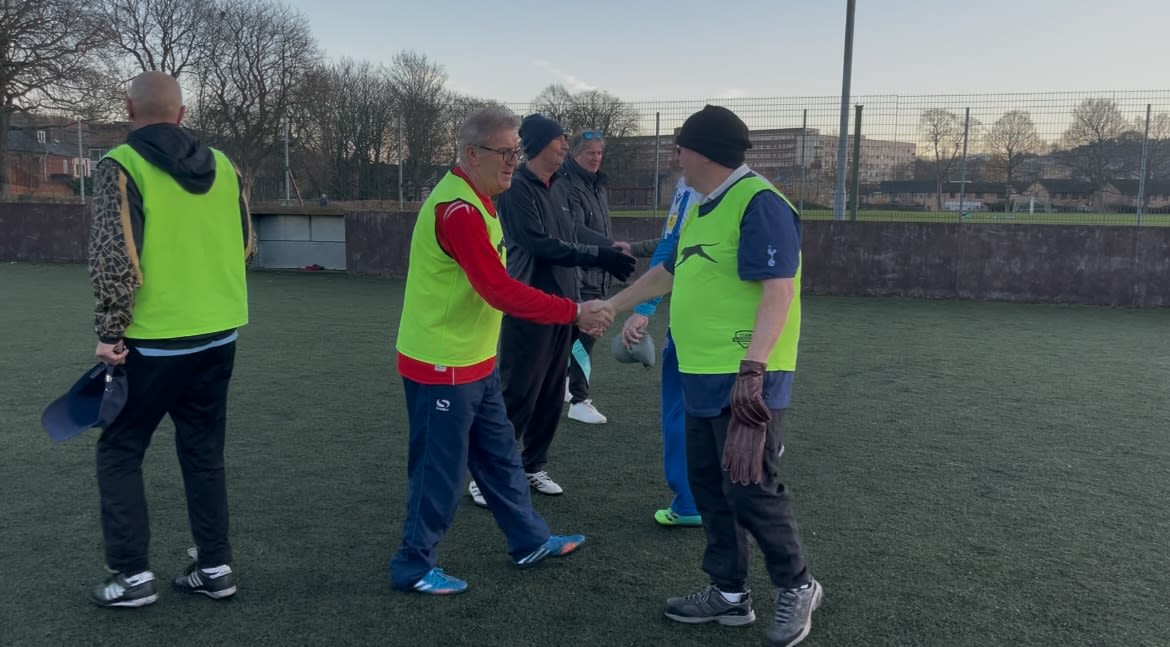
Socialising and having a chat after the game is common practice under the more relaxed atmosphere of walking football.
Socialising and having a chat after the game is common practice under the more relaxed atmosphere of walking football.

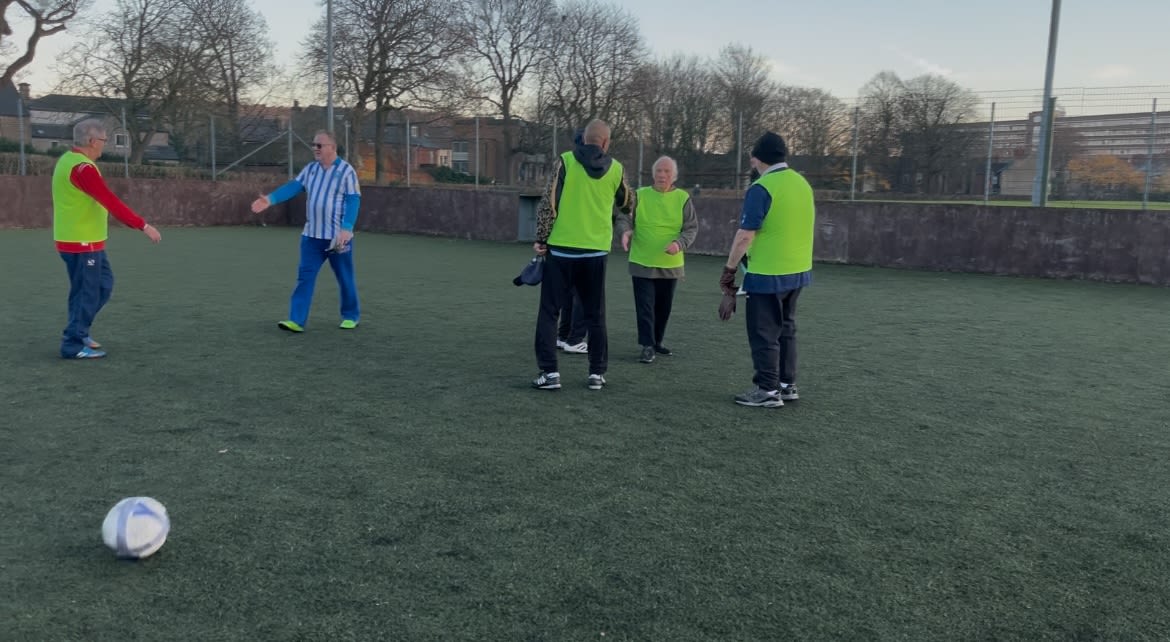
Socialising and having a chat after the game is common practice under the more relaxed atmosphere of walking football.
Socialising and having a chat after the game is common practice under the more relaxed atmosphere of walking football.
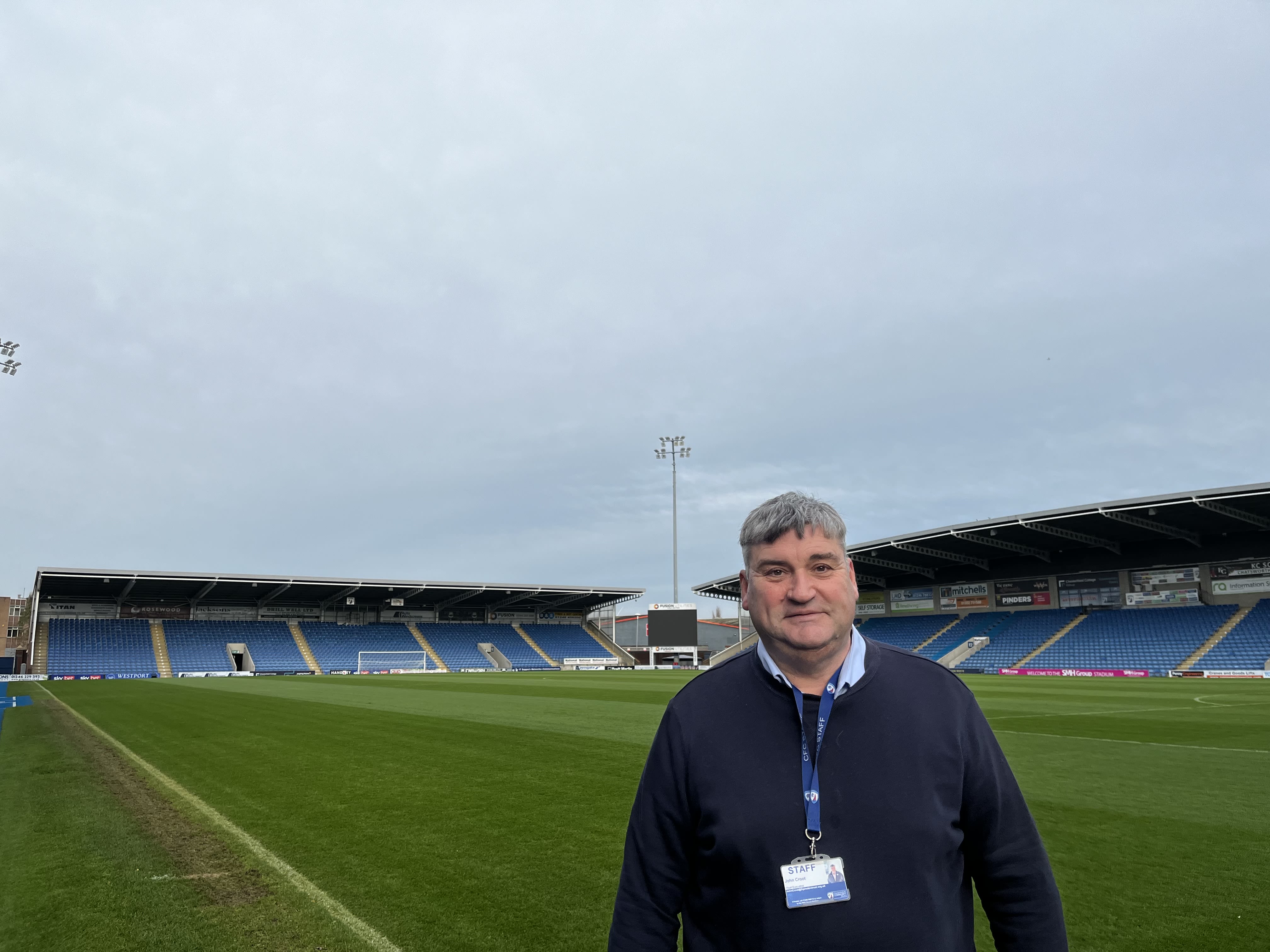
''It feels the same when you score a goal whether your eight or eighty ''
John Croot - Inventor of Walking football

This focus on the social element of the game is undoubtedly one of the key factors in it’s rapid growth, as Alan credited the sport with giving him some of his best friends, the power of walking football to drastically improve someone’s mental health is palpable.
This is prevalent in the origins of the game itself, as John Croot, the inventor of the sport and now CEO of Chesterfield football club, said how one of the first things he wanted to implement into walking football was social relief for over 50s, something which has absolutely been accomplished.
Croot’s passion for the game is evident not only in his words but in the profound impact walking football has had on countless lives.
“It’s rewarding to see all the good change, hear people saying it’s changed their lives. The sport is good at getting people who aren’t active or haven’t played for 30 years back into it- a good first step of doing a bit of exercise and creating friendships,” he explains.
When this is paired with the physical act of playing, the benefits are clear to see. The combination of physical movement, friendly competition, and camaraderie creates an environment beneficial to all.
Dr. Binham emphasizes this point, saying: “You’re engaging lots of your senses, you’ve got the endorphin hit of the exercise itself, and all of that plays into a calmer mental state. Sharing experiences and developing a community has a very nurturing effect.”
The roots of walking football lie in the EFL’s ‘Extra Time’ project, which funded community programs aimed at improving the well-being of over-50s. John Croot recognized that football was the ideal vehicle for this mission, given its popularity.
“Football always gets the numbers. Funders and local councils always say football is the sport to invest in; it always attracts high participation”.
Beyond the stats and the figures, the emotional side of football is like no other sport, “It feels the same when you score a goal whether you’re 8 or 80,” John added, highlighting the timeless appeal of football, no matter the generation.
Everything the sport encapsulates from the pride felt when scoring a goal, laughter shared in the changing room to the escape from the isolation often felt by older people, walking football provides something to look forward to in the week for many who might not have much else, it provides a sense of belonging - it truly is more than just a game.
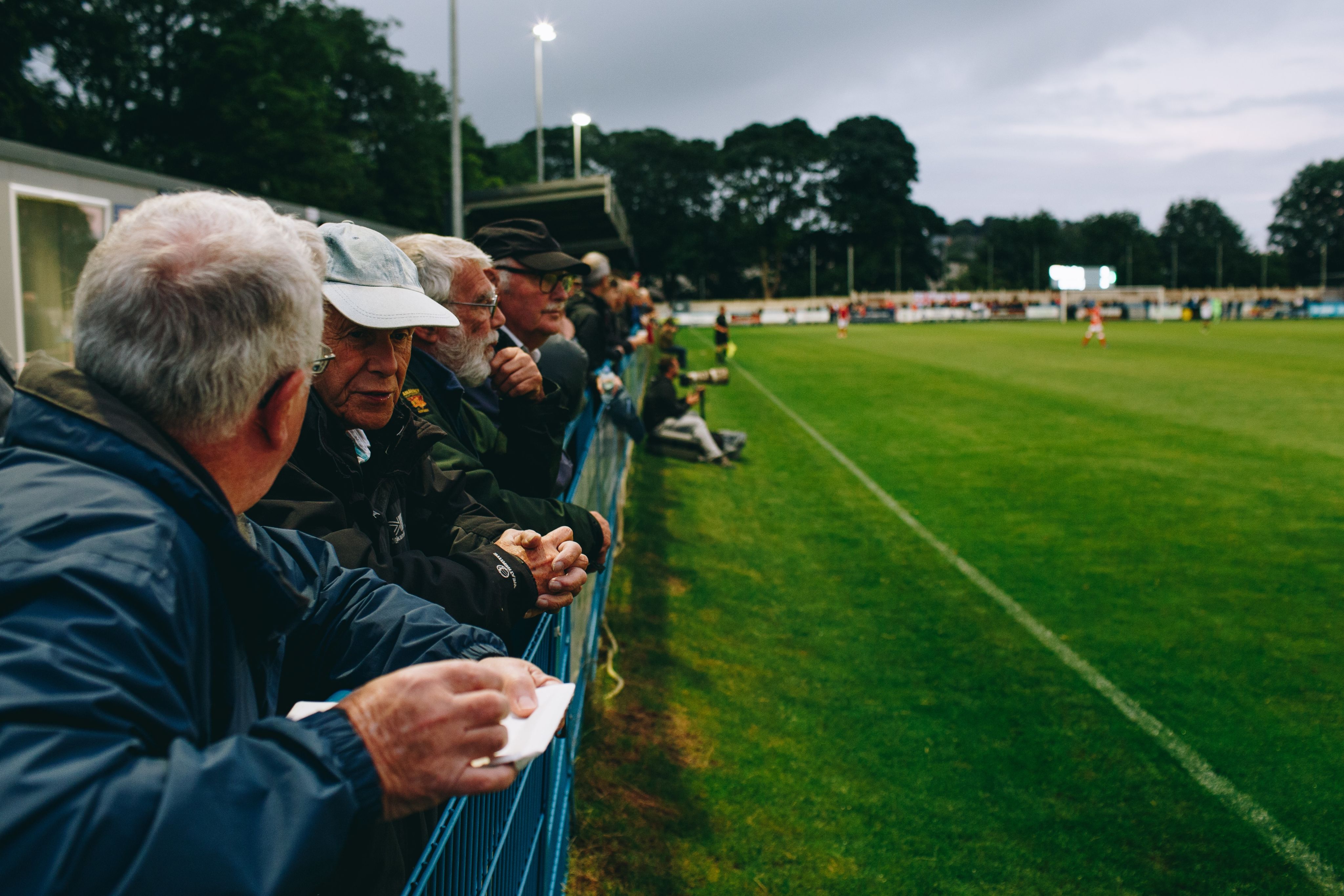
Football always gets the numbers.
Football always gets the numbers.
 Built with Shorthand