
Party Palaeontology
A brief history of our love of letting go
Throughout time, humans have craved connection. Joy. Understanding. Release. As we look across each time period, ask yourself...
Did my nan get blackout drunk too?
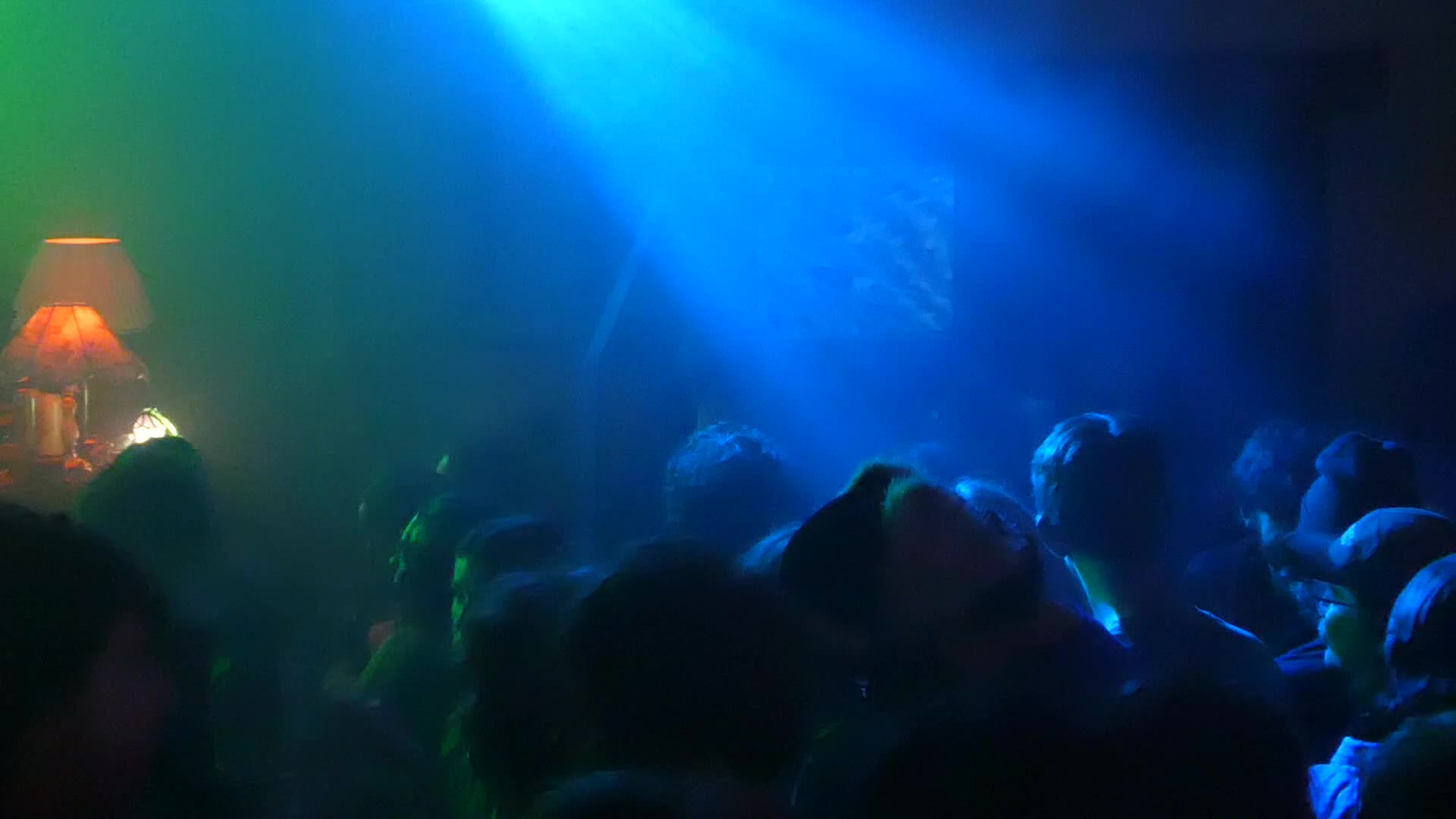

Lights. Noise. The sweat of the guy dancing next to you. The basic building blocks of a party have always existed.
Dance halls and the explosion of rock and roll in the 60s, messy nights at warehouse raves in the 90s, and finally to the 2020s, a hybrid tapestry of all the trends that have come before.
One thing is for sure, humanity loves a good get-together.
But how have these debauched social rituals developed over the years? Do people dance like they used to? Will two strangers lock eyes from across the dance floor ever again? Do the Facebook mum posts about teenagers being lost in their phones ring true? Or, are we giving the baby boomers too much credit? Maybe we should follow the immortal words of Marty McFly:
"I guess you guys aren't ready for that yet. But your kids are gonna love it."

"I have Social Disease. I have to go out every night. If I stay home one night, I start spreading rumors to my dogs."
The Beginning
Beatlemania is sweeping across the pond, Mary Poppins has just dropped (from the sky, slowly, holding an umbrella), and everyone is choking on hairspray. The 60s are in full swing.
But for Sue Taylor, a travel agent from the North of England, this time was hers. Her time to dance. Her time to be free. Her time to ride in the back of her friend's car, who may or may not have had a few, and may or may not have a license.
"We used to drive through there and have some great nights," Sue says. "We would do some disco dancing and all the rest of it, drinking and driving home!"

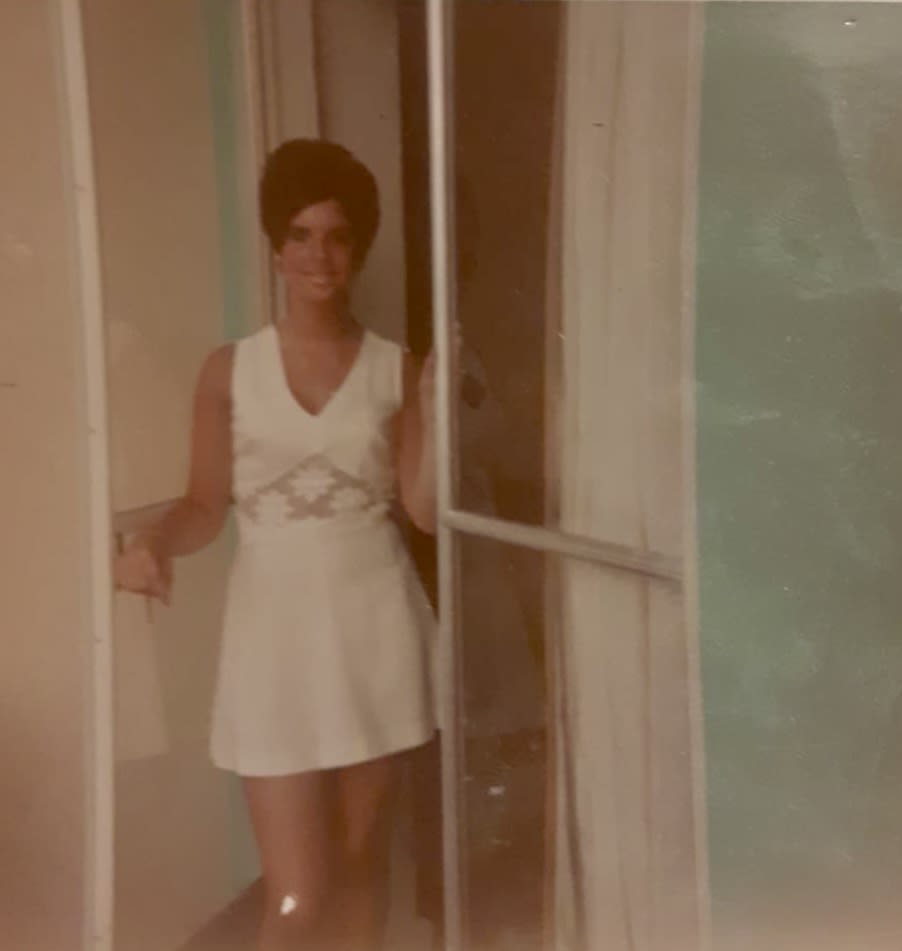
After leaving school at 15 and going straight into work, Sue felt she had been an adult for years when she reached her 18th birthday. So, when it came time to hang up the phone and relax, she would put on a mini skirt, put her hair up in a beehive (remember the choking on hairspray?) and stride out into the Darlington air like Mary Quant taught her to.

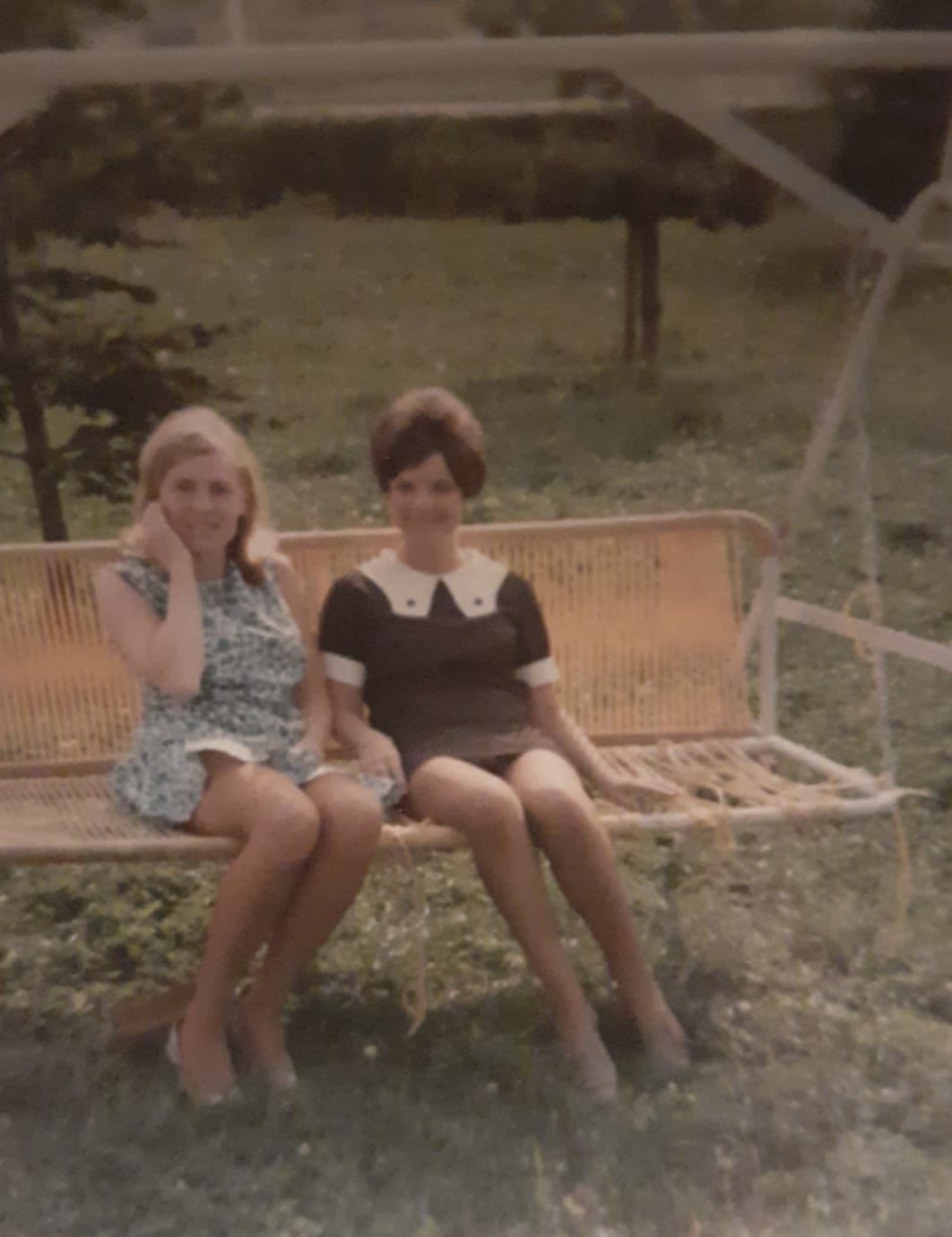
"I used to have the odd serious boyfriend, but we were always falling out, so then you got back out with your girlfriends again! That's how it went."
Sue Taylor
Reminiscing on the hippie movement (stressing she was not part of it, though thinking that her daughter-in-law now would have loved it), Sue spoke with a clear passion for the era - her visit to the famed Cavern Club, the birthplace of her beloved Beatles, or shopping for clothes in Grattan catalogues, sending them back if they weren't her style, (see the big and, in this author's opinion, hideous collars). All to the soundtrack of Tom Jones, Engelbert Humperdinck, or whoever else she saw live before they rose to stardom.
"I used to have the odd serious boyfriend," says Sue "but we were always falling out, so then you got back out with your girlfriends again!
"That's how it went."

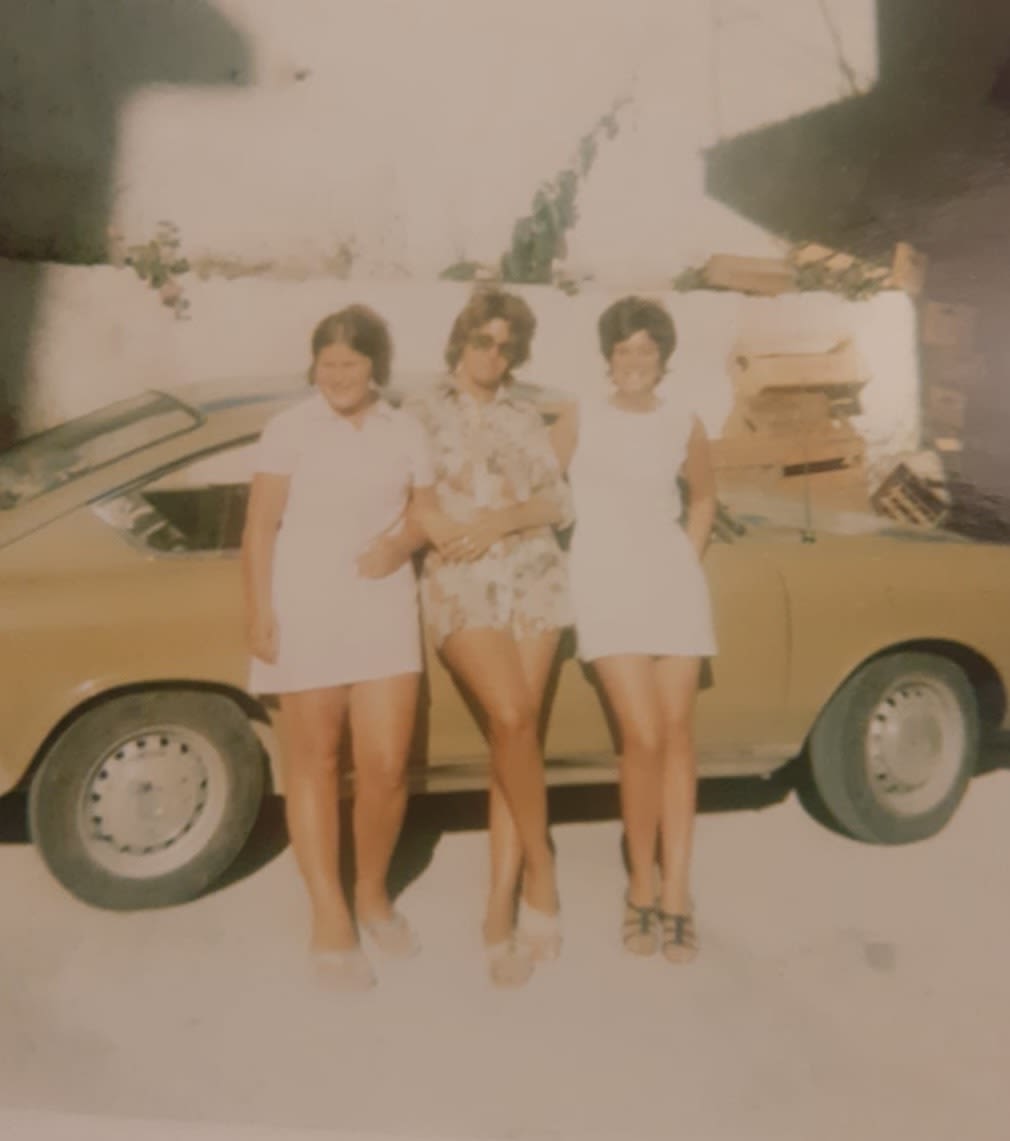
Sue Taylor was not unique. She went to all the same shows, pubs, and shops as everyone else. But what she did have was a place in a community, across the country and the globe, a generation taking back the words "fun" and "free" after years of hardship in the war. Each party, each drunken night of dancing, drew them away from the harsh realities of rationing and funerals they were born into.
And for that, I think they're allowed to fill our Facebook feeds with posts about the 'Glory Days'. At least for a little longer.
The Middle
The 90's fucking rocked.
Now, I am writing this as a 2006 baby whose knowledge of the period extends exclusively to Friends re-runs. HOWEVER, with the amount of culture and style crawling back into Gen Z, I think I can hold an opinion (however bastardised it may be). Although, I think one veteran of the time, Neil Seymour, would agree with me.
"I just think that the nights out revolved around music, drinking, girls, community, friendship, and chaos, really"
Neil Seymore

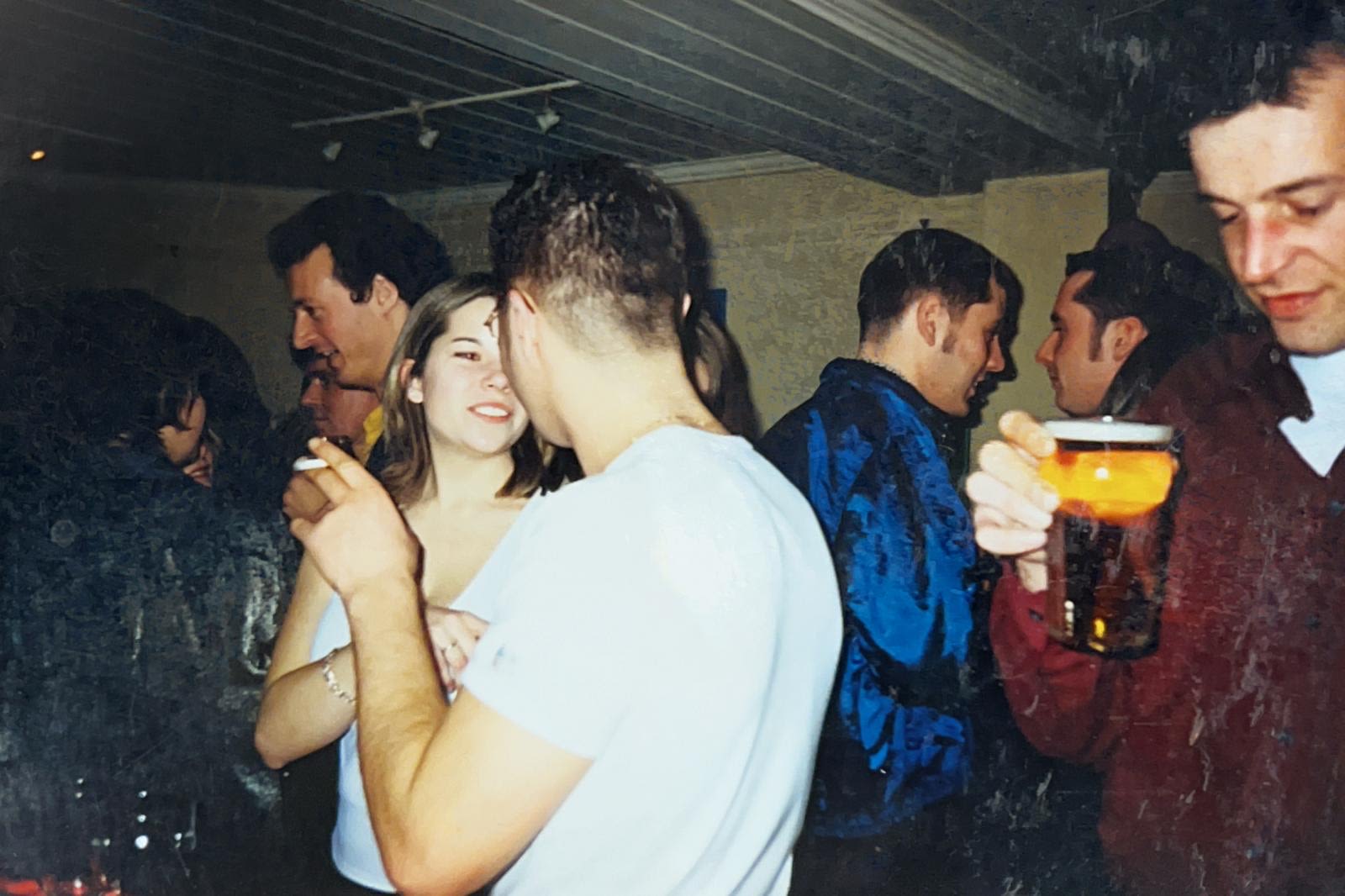

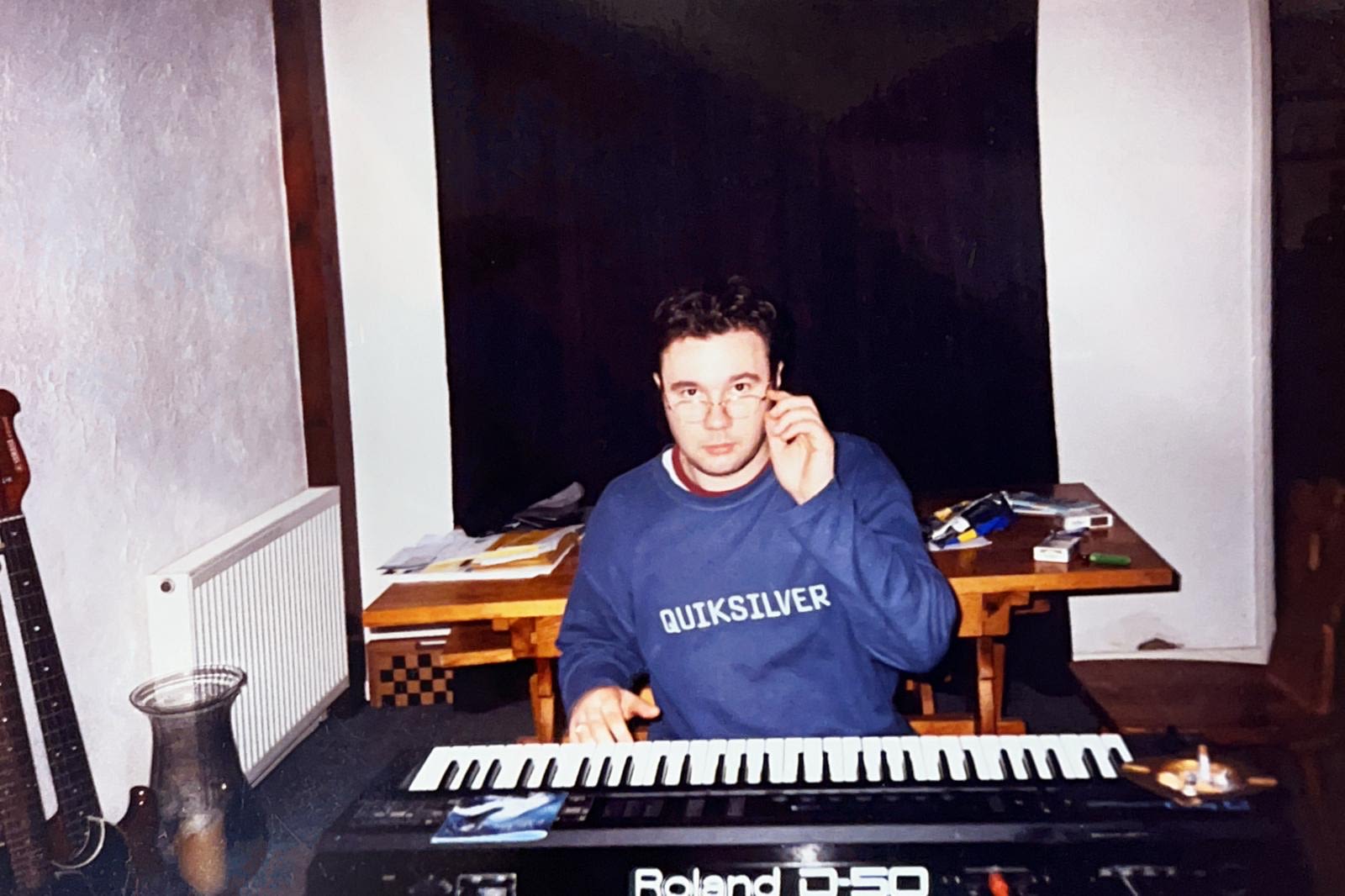
At seventeen, Neil could drive, earning him social credit with people that wanted to get wasted, driving down to go to the old haunts, the Dun Cow or the Market Tavern, sprawling out in the back with his mates, dreaming of the kebab at the end of the night.
In keeping with the trend of bands emerging throughout the decade, like Blur, Pulp, and Radiohead, Neil thought he would throw his bucket hat in the ring with his band 'Enuff Z Nuff', coming to a working man's club near you - Come for the bingo... stay for the band!
Outside of the pubs and bars, the 90s also ushered in a key trademark of party culture. Picture it, a dark, expansive warehouse packed with neon lights. Speakers with a bass that you can feel in your chest. Raves and the 1990s went together like strawberries and cream, salt and pepper, techno and ecstasy.
But behind the nights of drinking and laughter, performing the perfect stereotypes of youth, flexing previously unused muscles of taboo and chaos, was a desperate yearning for community. As with many young adults in the 90s, the true calling was to be a part of something.
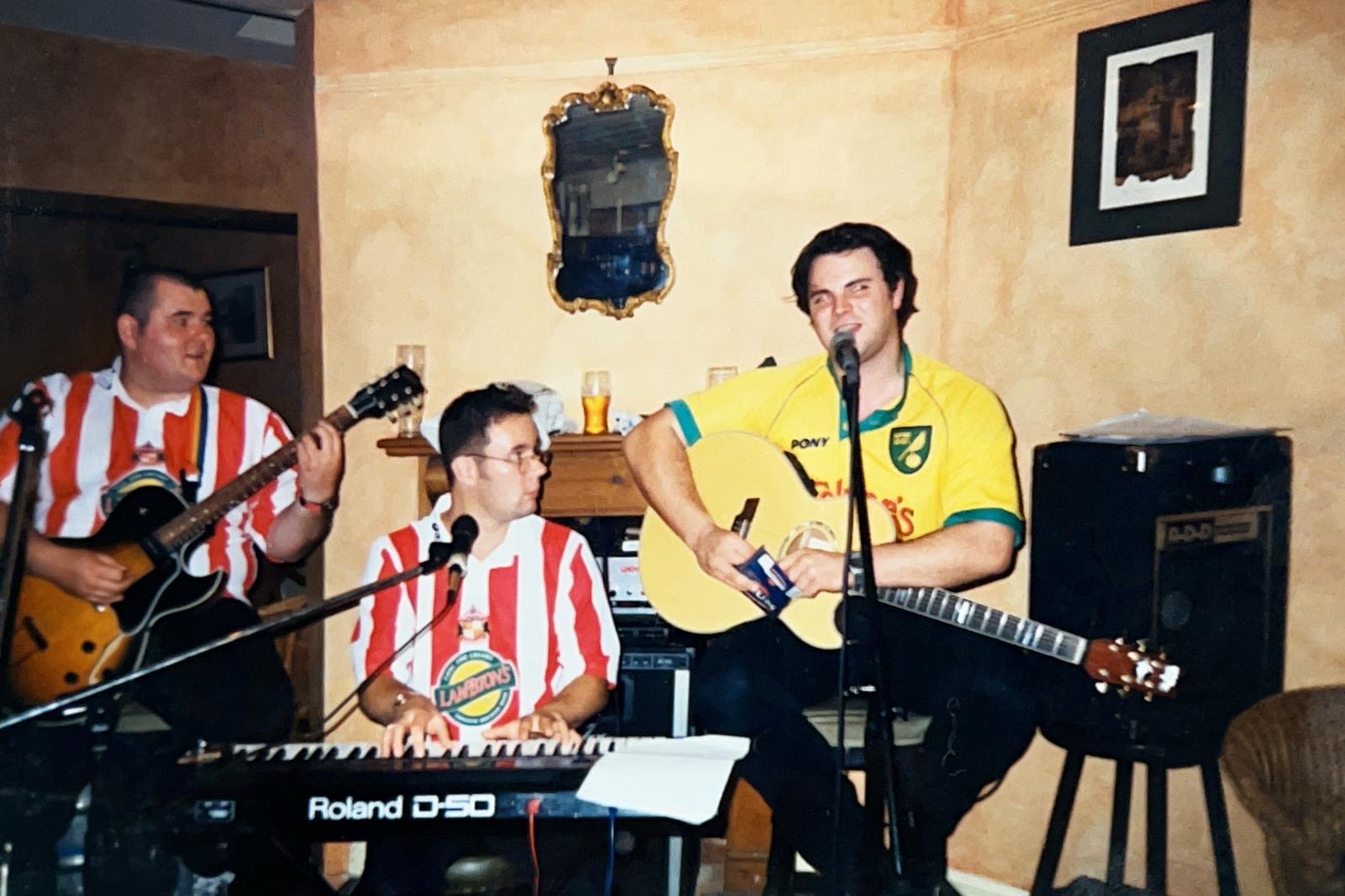
"There's something innate within us that realises that by going out and socialising with your friends, you're creating memories that last for your life - even if you don't know it at the time"
Neil Seymore
As said before, the culture bleed from the 90s to the present is immense. This can be explained away as appreciation of the fashion and music, but I think there's a deeper level to our infatuation. In a world dominated by the knowledge that everyone has a camera in their pocket, the ability to act and speak without fear of it being added to your ever-expanding digital footprint sounds like a dream.
A dream that the 90s lived.
And to me, that sounds pretty damn good right now.
The End...?
Gen Z is failing. They are shut-ins, hermits, loners that don't have any friends (except their virtual AI companions), spending their time, in the prime of their lives, staring slack-jawed at screens. They are holding the blood-slicked knife over the cold, twitching body of the nightclub industry.
That delightfully colourful and venomous opinion is the sentiment of almost every article on Gen Z's going out habits. And, surprisingly, I don't think they're entirely wrong.
Sure, against the template of past generations, Gen Z might look static. But, it's not for a lack of trying. With economic slumps, post-COVID burnout and the student loans not hitting like they used to, the youth of today are being priced out of nightlife.
However, Masha Yakovleva, a student and part time DJ, alongside their peers, is resisting boomer stereotyping, one eye roll at a time.
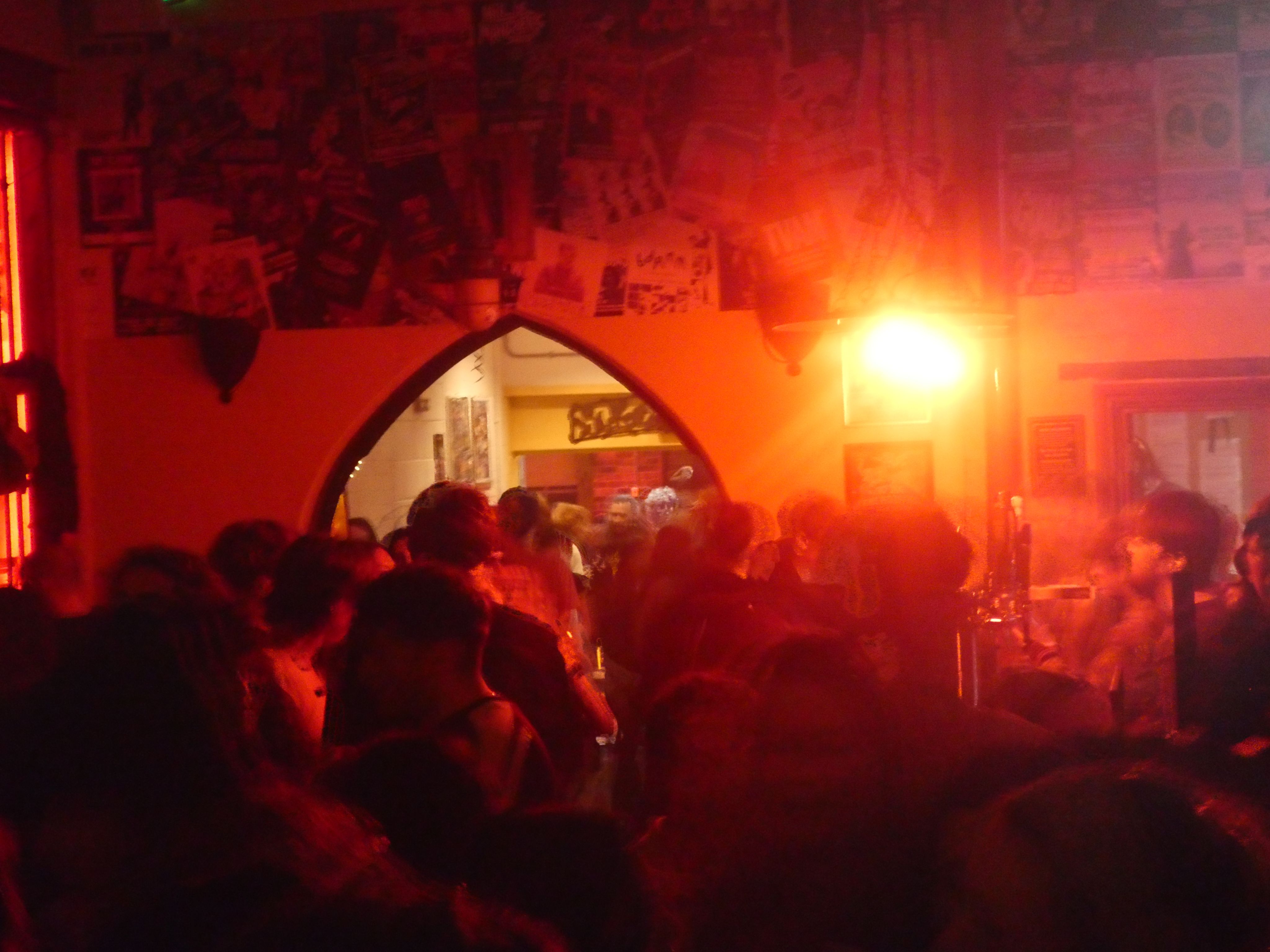
"I guess it's that balance between, students go out a lot, but at the same time don't have as much money to go out with."
Masha Yakovleva

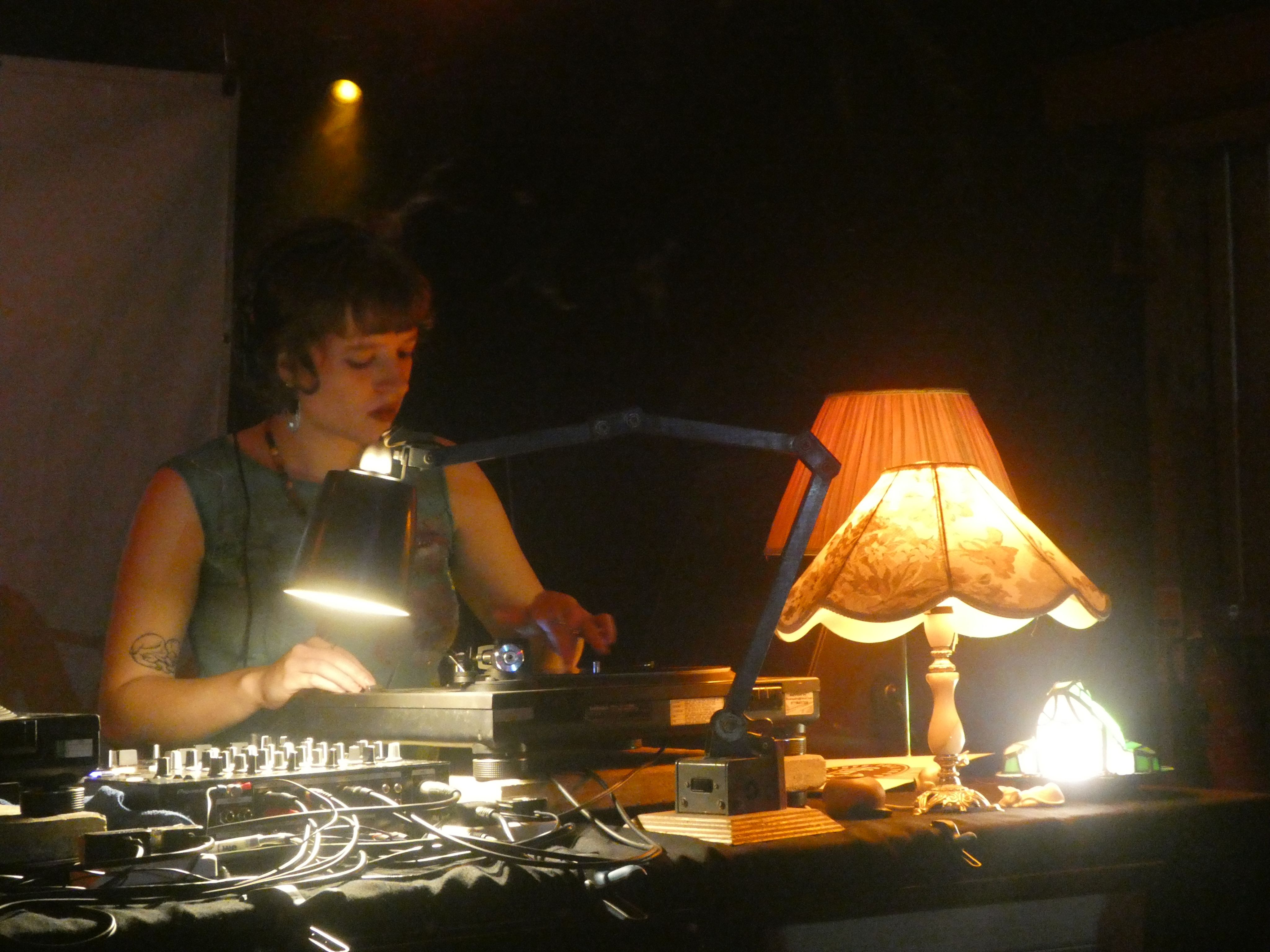
Masha taught themselves to DJ on vinyl a week before a gig. Masha is on the university radio. Masha doesn't gatekeep and loves to bring you into the fold of cool music and cool people. In short, Masha is the coolest.
After being forced apart by government lockdowns in 2020, Gen Z has undoubtedly been socially stunted. However, thanks to people like Masha, they have begun to creep back out, filling the sticky dance floors and smokers areas that were left empty for so long.
"I've got a lot of outgoing, sort of extroverted friends, so often enough someone will spark up a conversation, especially in the smokers area."
Masha Yakovleva
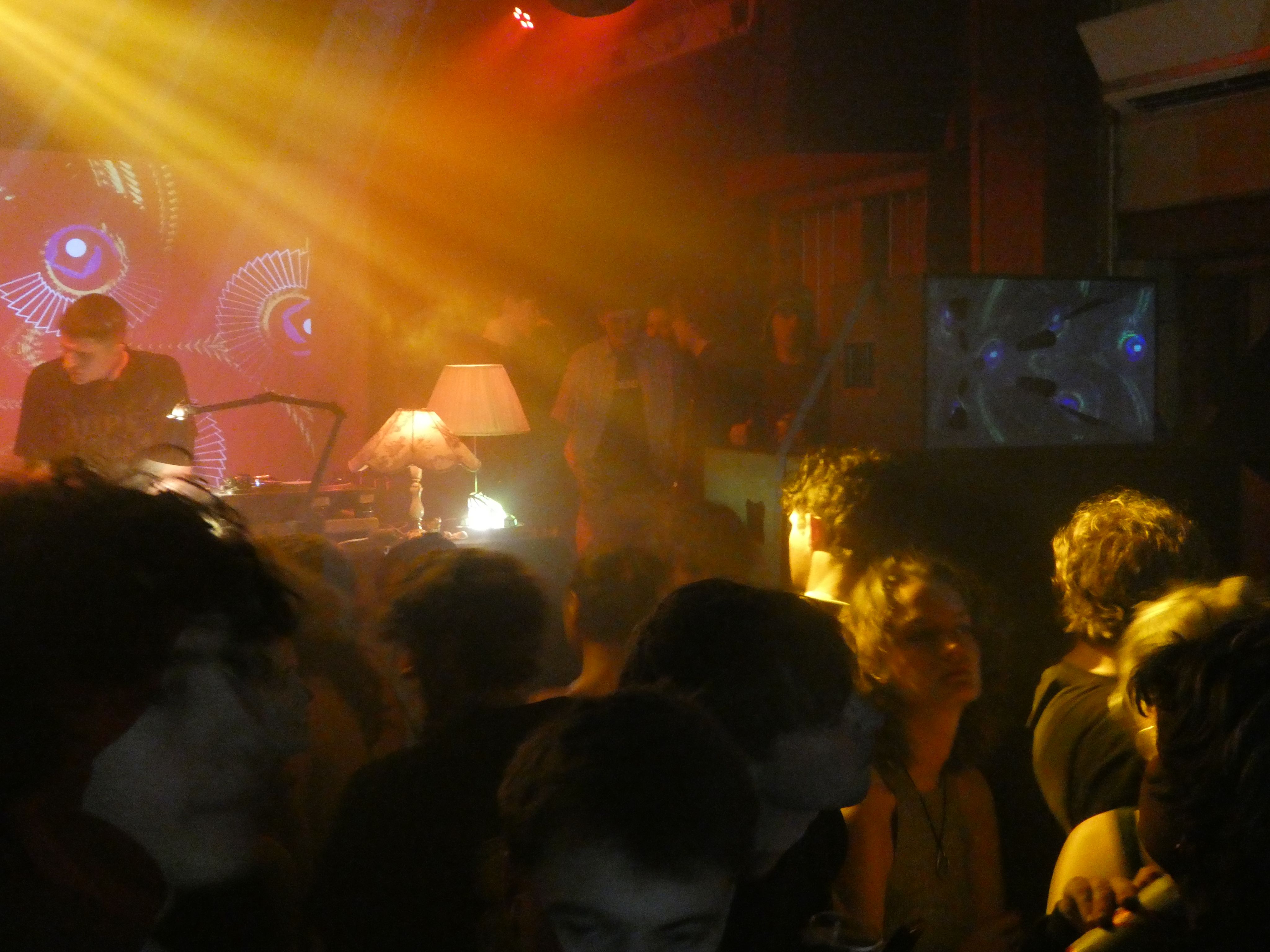
Across the generation, there is a hunt for mythological "Third Spaces". A white whale in a world of transactional venues. Each one drink minimum, 10:00pm last call, and 'customers only seating' pushes us back into isolation, chipping away at our sense of community.
But if Gen Z is going down, they're going down swinging.
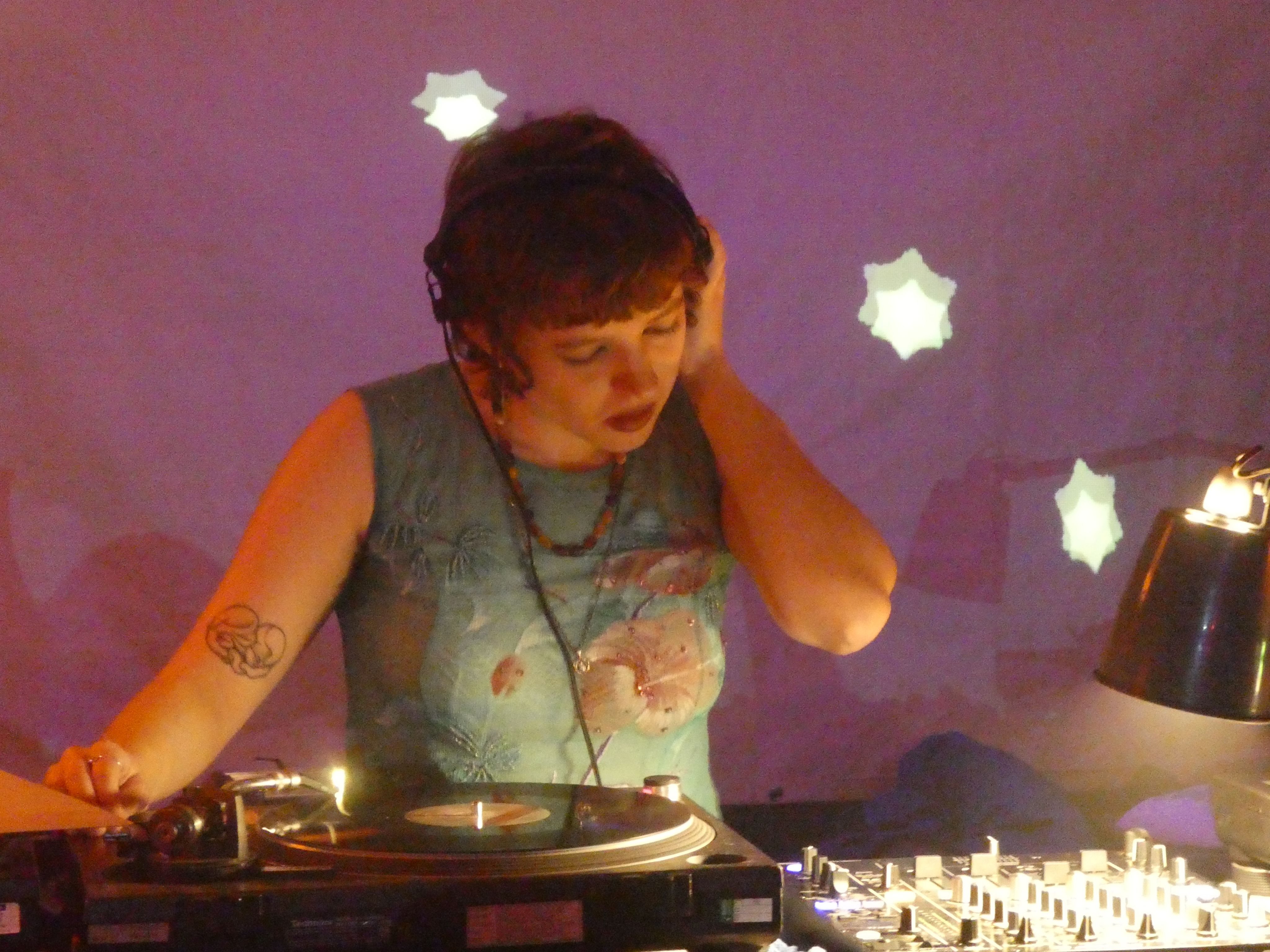
In the last 6 months, I've seen huge surges in outside the box alternatives for traditional, well-worn nights out. From sober socials, to old arcade videogame bars, to Chess & Tunes, a bi-weekly event where people come to play games of chess and listen to R&B DJ beats, innovation from young creatives, like Masha, has forced the definition of going out to evolve.
No longer are people restrained by the conventions saying you have to drink, or have to stay out until dawn. Finally, the truth that people crave the kinship and belonging these nights provide, not the activities themselves, reveals itself.
If something can replicate that warm, intimate feeling of being part of a larger whole, it fulfils the need we have for community. And whether that looks like a warehouse rave, or knitting with a glass of wine, the itch gets scratched.
 Built with Shorthand