
Should I stay or should I go?
Why are secondary school students pressured to go to university?


When a student gets to secondary school, they are not an adult yet. However, after living 18 years of your life, you already have to choose your whole future. 'Which university are you applying for?’, ‘which degree will you choose?’ These are the questions teenagers are bombarded by family and friends.
However, all of them presume that a student will take a higher education degree, even if they do not need one to pursue the career they want.
The Higher Education Initial Participation Rate (HEIPR) in the UK has been increasing over the years, according to a study carried out by the government.
Last year, 50.2% of young people enrolled in university. This is the first time ever that more than half of students decide to take a university degree.
This study includes the ones who did not go to university straight away after secondary school, but, of the 50.2% of students who enrolled in university last academic year, 28.6% were 18.
It is undeniable this pressure has been increasing, but do people think there are too many students attending university?
Opinions are divided:
Christine Gale, 67, whose son took a gardening apprenticeship, said:
"I believe apprenticeships are much more efficient than university. My son was able to pay for driving lessons and now, at 19, he owns a car and earns a decent wage. He is much happier than if he had gone to higher education."
"I think university does not suit everyone. Many courses have no end result, just a lot of debt. People shouldn't be pushed unless they really want to. This results in high dropout rates, mainly because of stress," she adds.


In fact, there has been an increase in the higher education dropout rates:

Loading...
Does this prove that people are indeed pressured to attend university?
Richard Vyse, 36, a residential care officer who works with students, does not think so. He believes there should be more people entering university so they have better job prospects.
"I think that low skilled work is decreasing, unskilled workers will no longer fit into the workforce in some years."
"Therefore, I'd like to see more people at university, but this would very much be an end result of investment in education and opportunities in economically deprived areas," Richard said.
This is a very common opinion, but when did this perspective start?


The beginning

Many years ago, it was normal for people not to go to university. But when did this change?
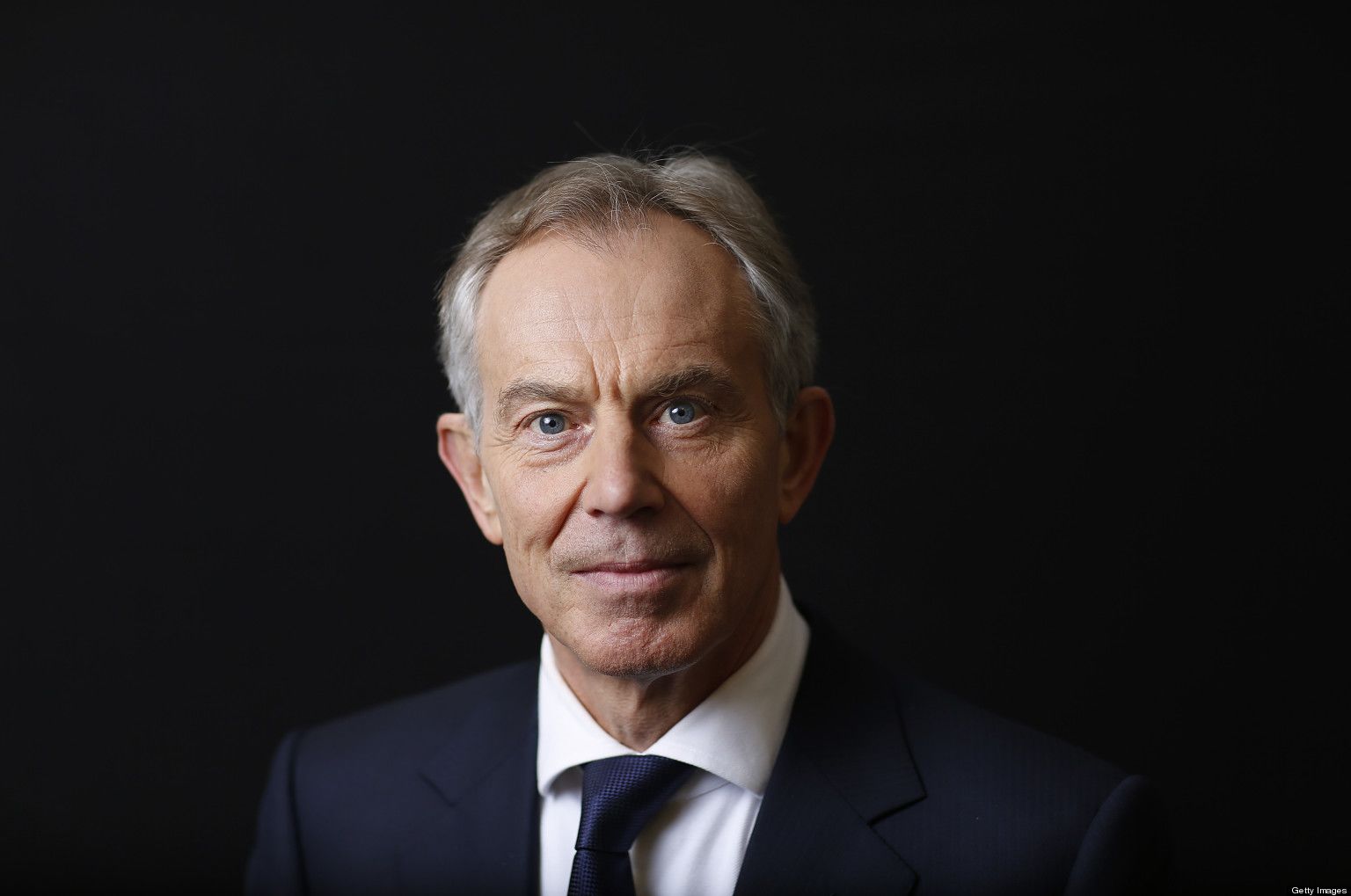
Let's go back to October 1996 when Tony Blair made his "education, education, education" pledge at a Labour party conference.


Former UK Prime Minister Tony Blair
Former UK Prime Minister Tony Blair
Education was high on Mr Blair's government agenda. His priorities while he was the Prime Minister were really focused on this area and included hitting a target of 50% for university participation.
So, did education actually change during and after Tony Blair's 10-year government?
As the images show, it did indeed.
Mr Blair's government spent almost £1.2bn on education every week. There were in 2007 about 35,000 more teachers than in 1997, and the core "per pupil" funding rose by 48%.
The only thing that might have slowed down Mr Blair's plans was the introduction to tuition fees and its rise in 2012.
But that has not stopped him from achieving his goal. In the academic year of 2017/18, 20 years after his 'education' speech, university enrolment reached 50%.
But is Tony Blair correct? Is this a good thing?
What do statistics show us?

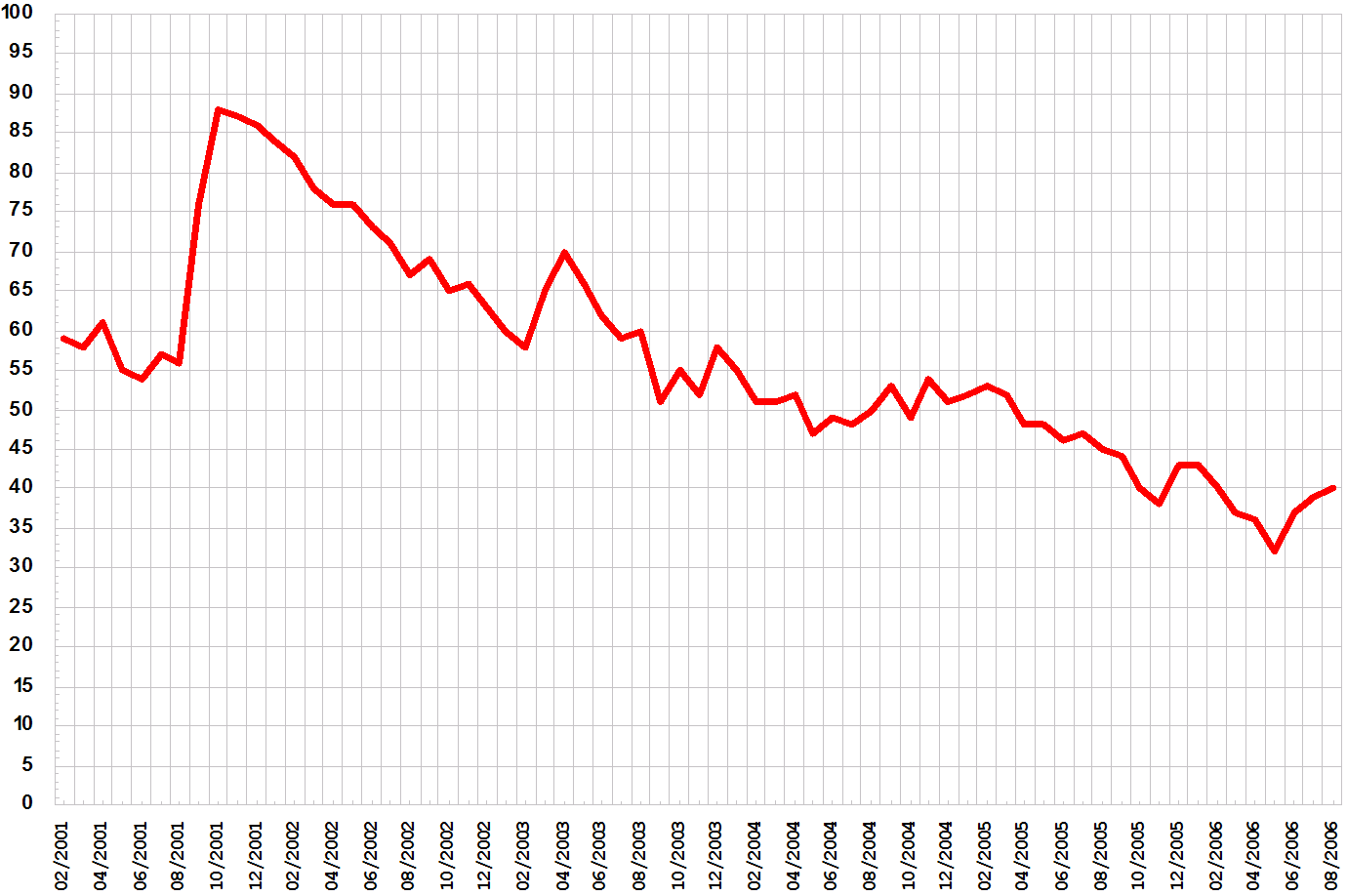
The UK Department of Education released the unemployment rates according to level of education from 2008 to 2018, as it is shown in the following chart:
According to this data, there are more graduates employed than ever.
The non-graduates unemployment rate is 2.4% higher than the graduates' one, but it has never been as low.
What about each section's earnings? Do graduates earn much more than non-graduates do?
So, statistics show that you will have more chances to be employed if you take a university degree and you will earn more as well.
However, there is still high demand for what we call 'common jobs'.
You do not need a university degree to be a firefighter, for instance, and if your child shows a keen interest in it, do not make them take a law or medical degree if it is not what they are passionate about.


Firefighter
Firefighter
Brian Mosley, 58, Wellness and Business leader, says: "'Common jobs' are simply devalued by society, because the education system teaches us to go as far as possible in our formal education. I believe it's up to our politicians to encourage respect and recognition for skilled workers who left the education system earlier to begin working."
Take Caine Hall, 20, for example. He has not taken a university degree and is doing pretty good in life.
Caine works as a retail representative for Currys PC World since last October and now earns more than his own mother.
There are many other examples of successful people who do not have a university degree:
Steve Jobs
The Apple mastermind is one of the most successful men ever, having a networth of $10.2 billion at time of death.
Jobs did go to university, at Reed College in Portland, Oregon, but dropped out after only one semester.
He then went to India to study Buddhism, before returning to the United States and presenting his business idea to his friend, Steve Wozniak.
Simon Cowell
The X-Factor judge, who is known for breaking peoples' dreams, actually left school at the age of 16, with just one O level.
From then, he had to work his way up from the mailroom of his father's company.
Cowell had several setbacks along the way, but now he owns the company Syco, produces X Factor in several countries and he is also an executive producer of the 'Got Talent' franchise.






Another option

If you or your child are still unsure of what to choose, remember that you still have other options, you can first understand if going to university is the right thing for you.
You can take a degree later in the future. It is never too late to find your passion, so if you think you are not ready to go to university yet, you can take training courses, experiment various jobs, and only enter higher education in your 50's, for instance.
There has been a decrease in the number of people doing this:
This may be happening because people stick to a demanding stable job and give up on the idea of following what they really want since they do not have time.
But people who do it are satisfied with it, just like John Rouse, 69, retired, who signed up for an open degree with a major in psychology at the Open University when he was already 30 years old.
"I thought taking a degree at a later stage of my life would help with my job prospects," Mr Rouse said.
Mr Rouse only realized what his passion was after working as a lightning, photocopier, phototypesetter, and computer engineer.
"I think having to decide which ‘A’ levels to take so early in life is problematic. By 18 you could have changed your mind several times," he adds.
Now, John has completed two foundation courses; a Psychology major; and a fourth level course in Family Studies. He has also obtained the British Psychological Society recognition.