
The Forgotten Faces of Brazil's Favelas

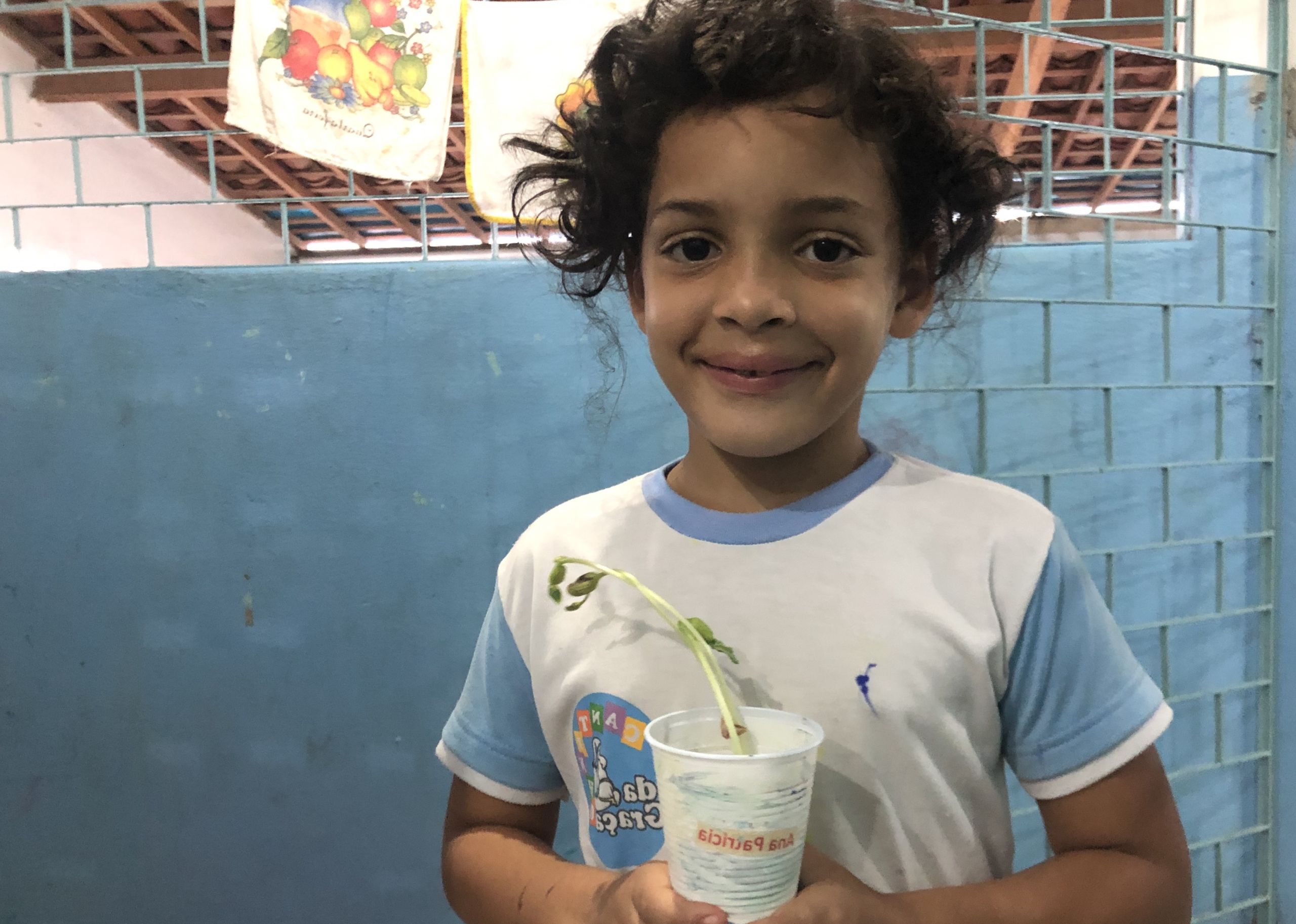
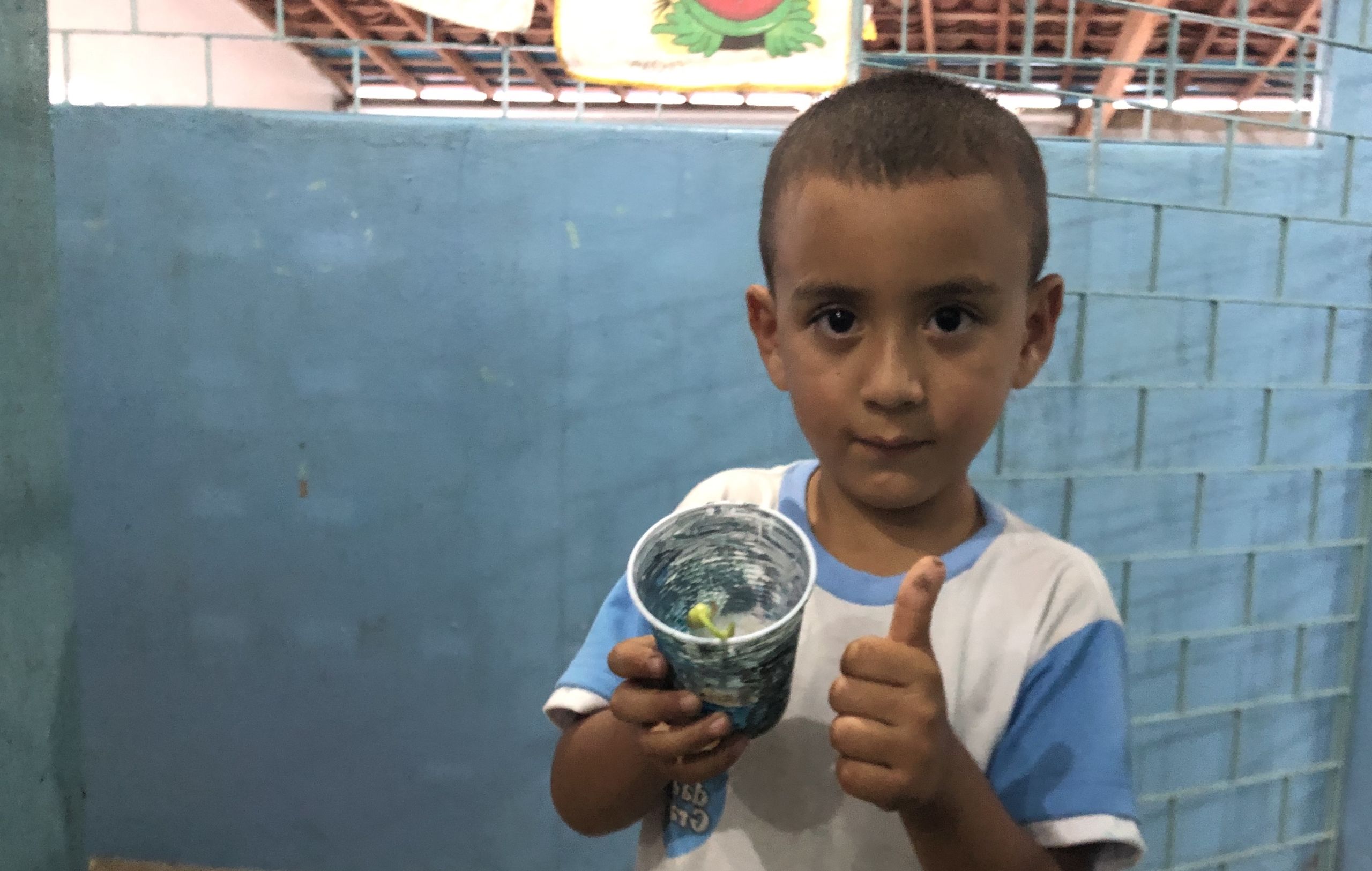
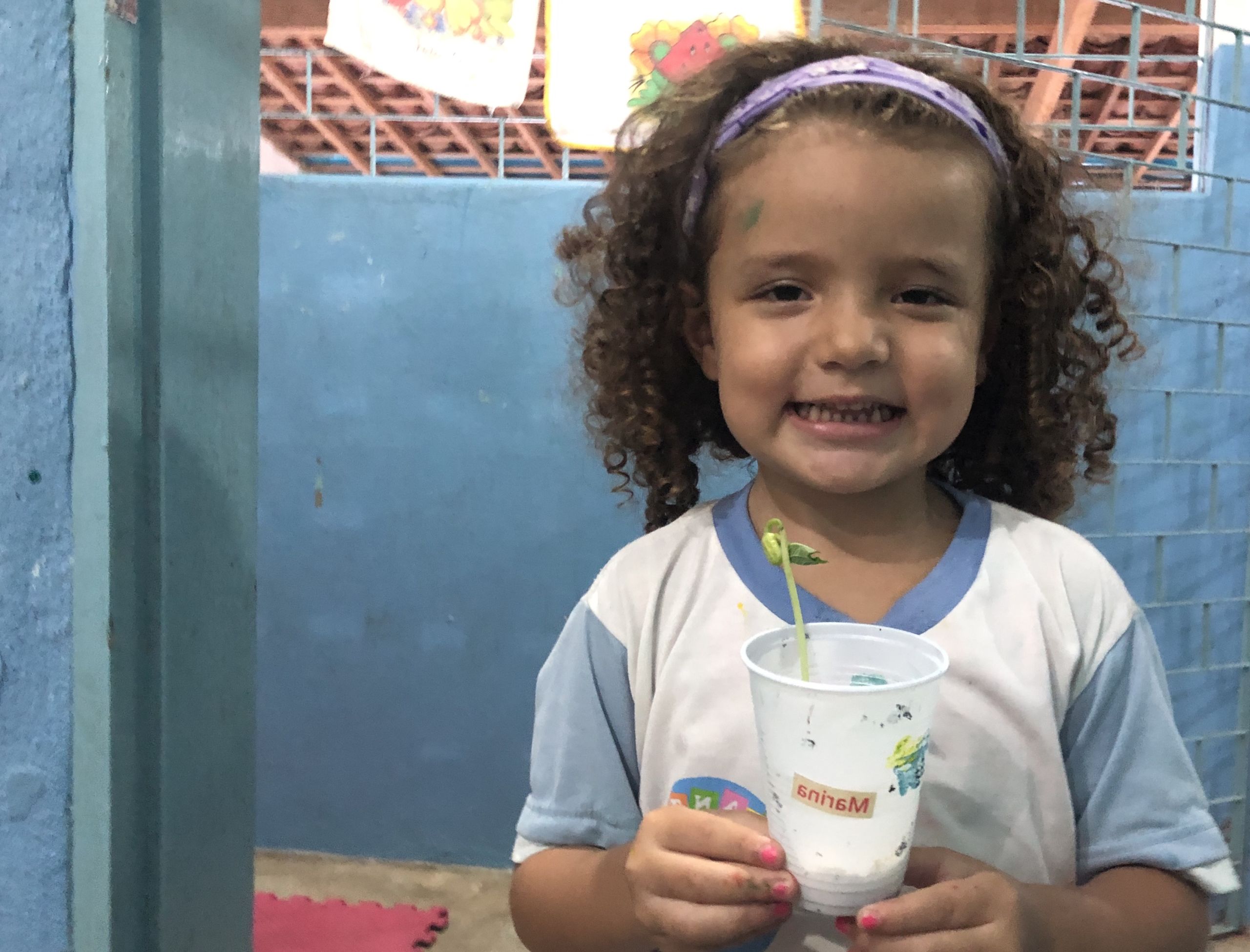
I walk past gates painted blue, next to an image of Virgin Mary holding a child, with the words ‘Catinho da Graca’ in a childlike font bordering it. I look down to see a small girl tugging at my hands, her smile is radiating with warmth. She calls me auntie, and asks me what my name is. This was the start of my 6-week exchange working with nuns to help the community.
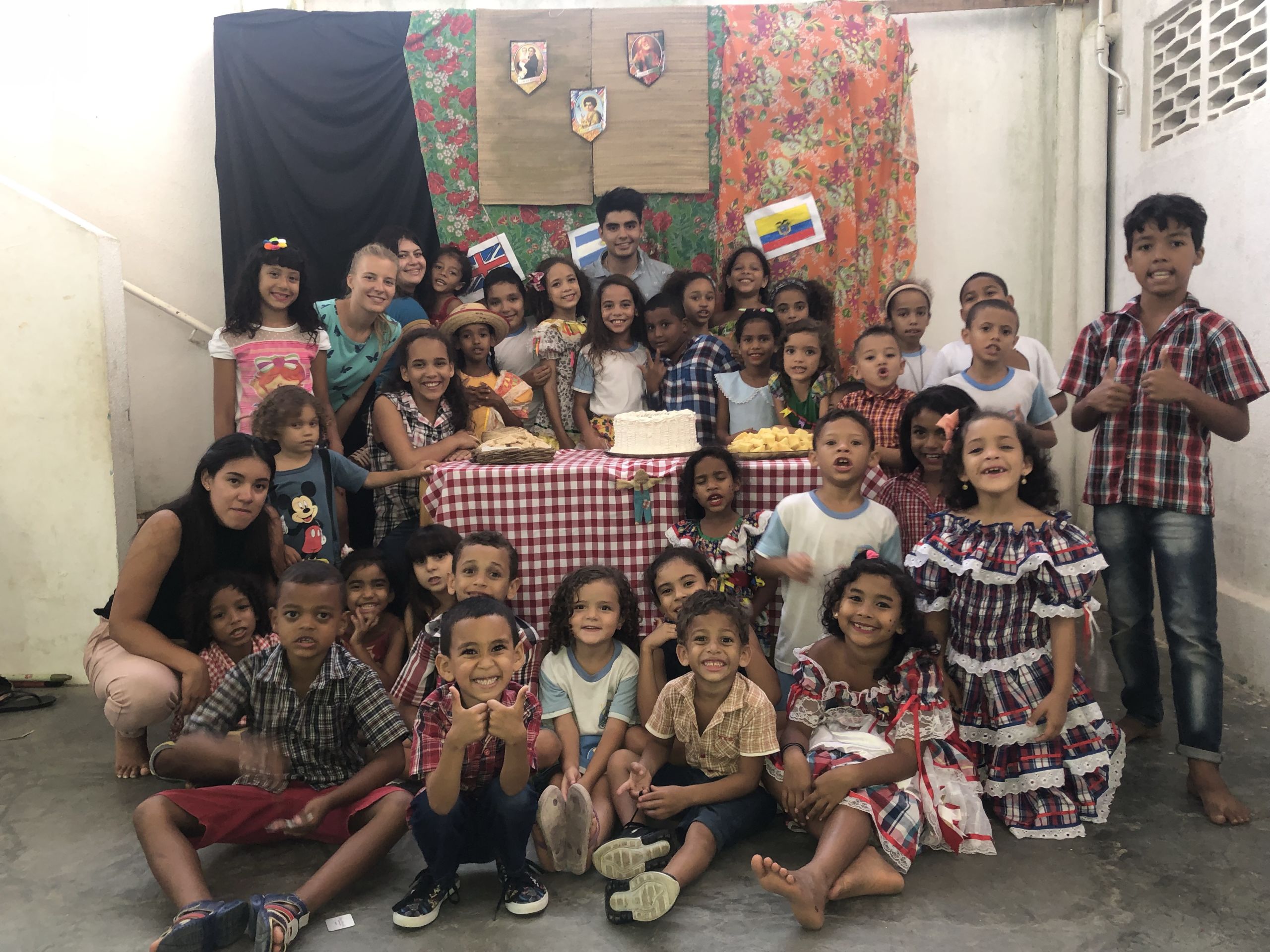
Everyday started with a circle of prayer in which the children were fascinated with religious songs and prayed under their breath with concentration.
They then danced with the other children to the jingle made by one of the nun’s tambourines. The activities then began. In rooms the children read books, played sports with one another, and had volunteers teach them different languages like English and Spanish. There was a constant atmosphere of positivity, the children had the genuine desire to learn.
The kids were fed dinner every day, and on special occasions given cake and fruit. I would chase the children around the courtyard, tickling the laughing kids and yelling “boo!” every time I found them during a game of hide and seek.
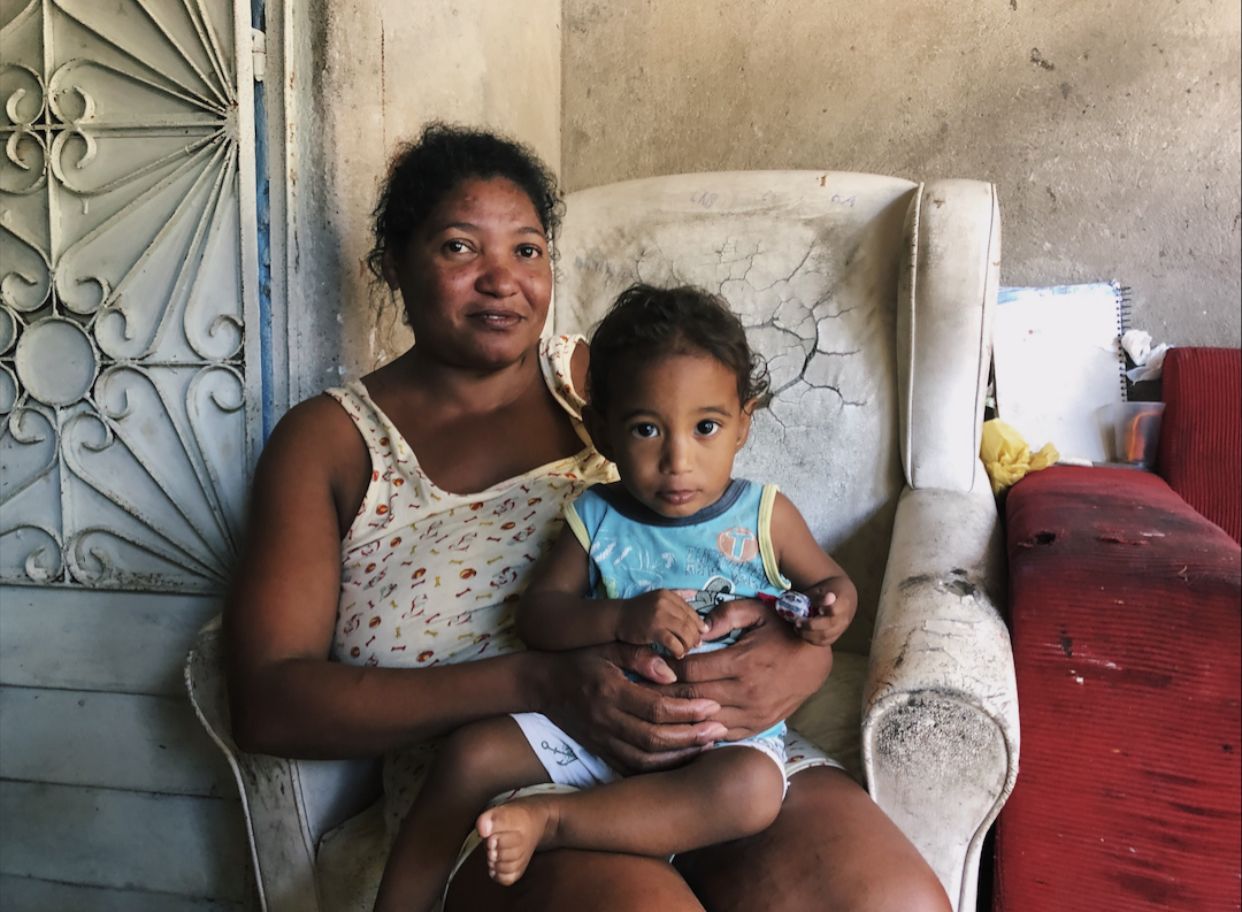
Their happy faces bely where they come from. For some of them, the dinner that they receive would be their only meal that day. Their homes are small – only a couple metres so they relished in running around the large space in the school. At the school they play with toys, but in their homes, they play with the rubbish that surrounded them.




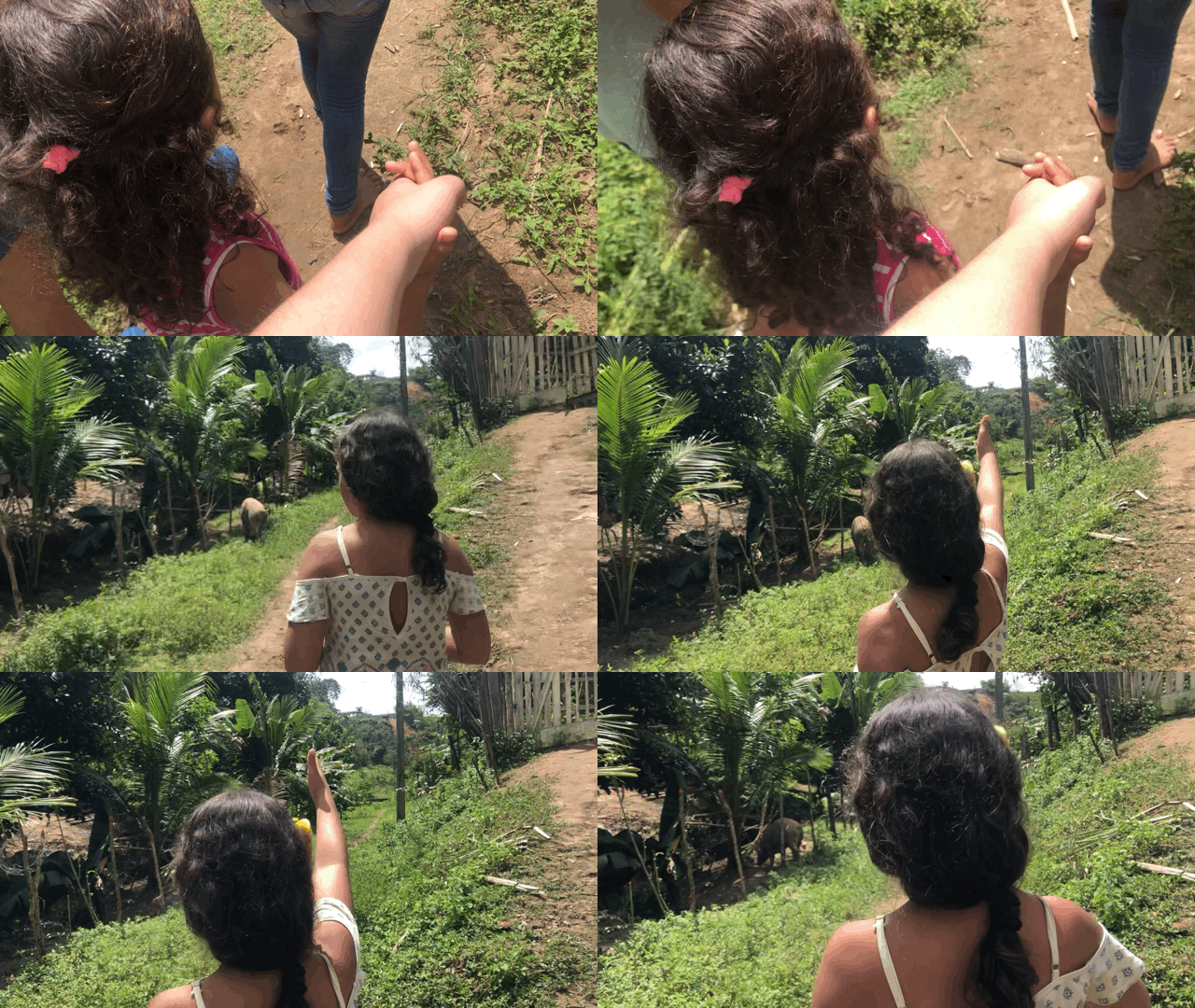
One of the children’s homes that I visited was built in the middle of a humid jungle. It was surrounded by wild pigs and vultures.
There was one double bed, which was used to fit 5 people – the little girl, her two siblings and her parents. They didn’t have a toilet and one stove to resemble a kitchen.
Her and her sibling’s entertainment was to go to a small cliff (of about two metres) and jump off it, and then climb and jump again.
They are the children of Maceió’s favela’s. The little girl is not a rare case. In the city there are 23 favelas with 81,000 inhabitants, of whom 21,000 are children.

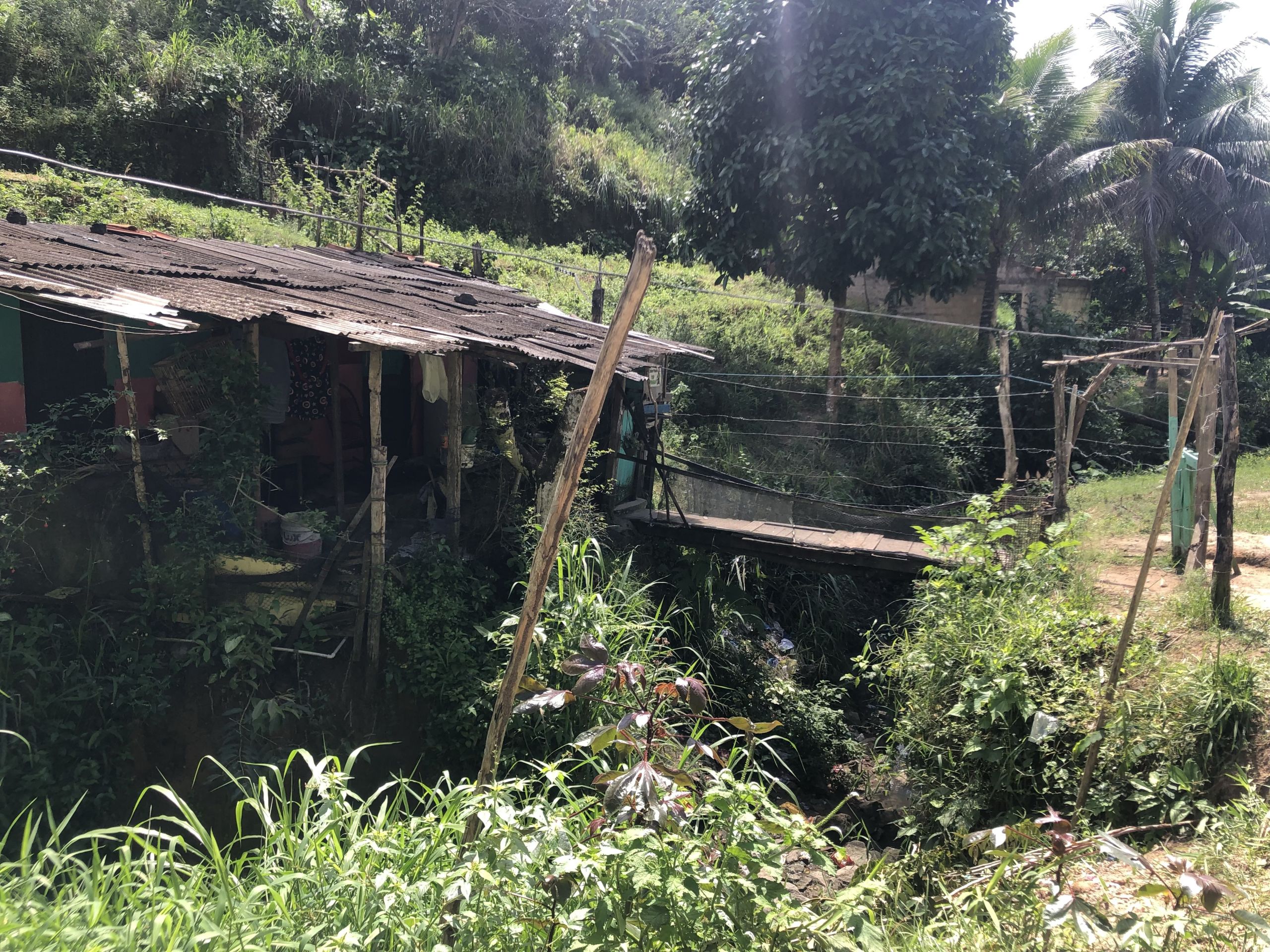
Where the two girls live
Where the two girls live
Maceió is a city in Alagoas, Brazil, filled with white sandy beaches, coconut water and an eternal summer (the temperature is always hot, even in its ‘winter’.) You could be strolling through Ponta Verde (its richest neighbourhood) and be greeted with the Ritz hotel, classy restaurants and rich families, but if you take a 20-minute car ride you will find yourself in a favela.
A favela is a slum enveloped with rubbish, creating a distasteful scent in the air. Gangs of vultures and wild pigs scour the area looking for something to eat. Stray dogs carrying disease roam the area.
There are little to no sewage systems, and some do not have toilets. The infrastructure is practically non-existent. Homes do not have doors or walls. Yet there is no help for them for from the government, it is up to them to fix it for themselves. They are the forgotten faces of the favela’s.
I worked alongside nuns in an NGO called Casa de Ranquines (the house of Ranquines) in a favela called Benedito Bentes.
In 2015, according to the State Secretariat for Violence Prevention of Alagoas, Benedito Bentes is the “Most Violent District of Maceió”.
The NGO not only has a project dedicated to children, but also projects where they would establish a care home for the abandoned elderly, and another where they would feed the homeless.

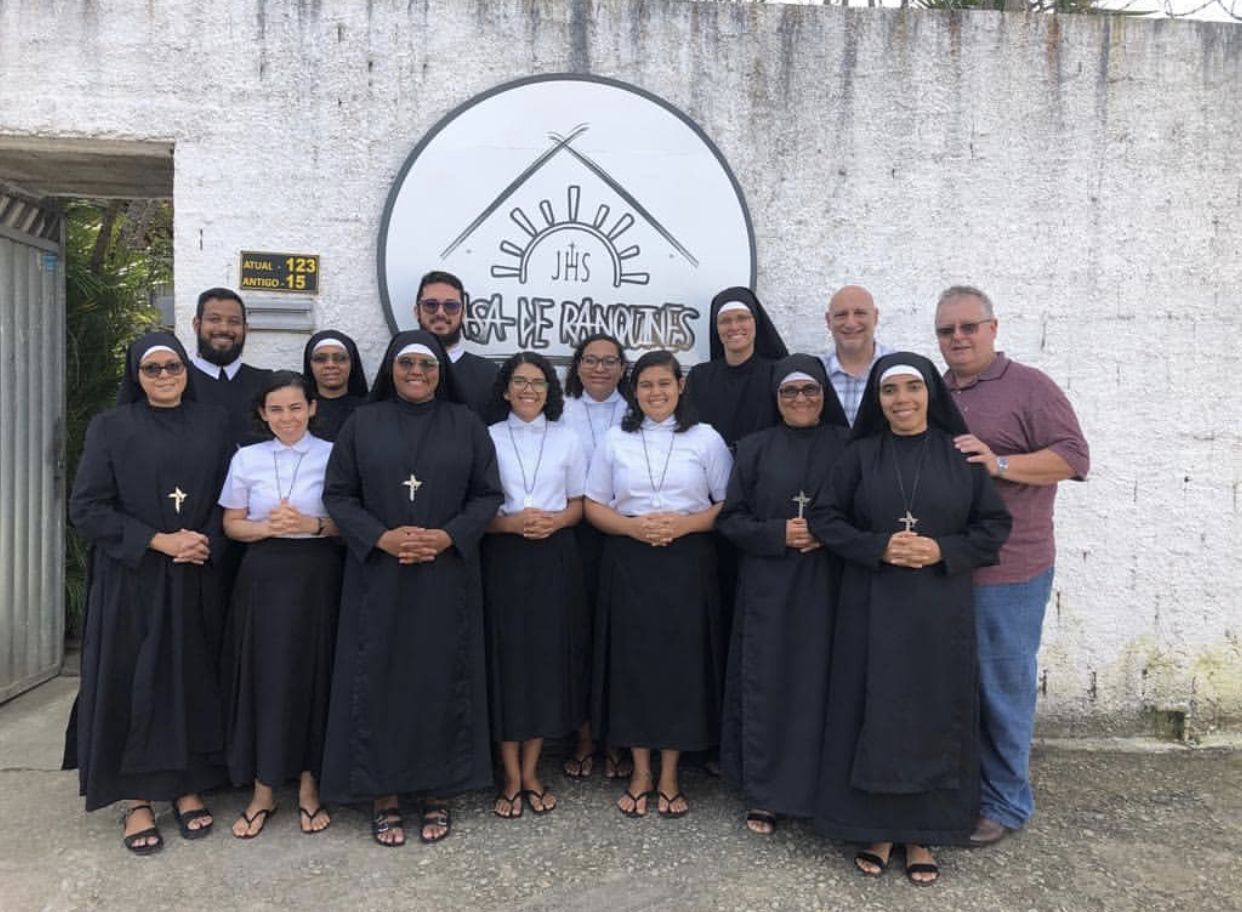
On my first day, I was puzzled as to why there were so many elderly in a home designed for the sisters.
I came to realise that the nuns had opened their private home to 20-30 homeless and abandoned elderly people took care of them themselves.
Sister Maria Lindalva, one of the nuns in the community, asked me if I wanted to meet them. She took me to each person and introduced me to them, and then asked if I wanted to know their story.
A special friendship was created with João, who sat in a green chair everyday with the resident dog called Dolly. Before I started work with the children, we would play dominos and cards.

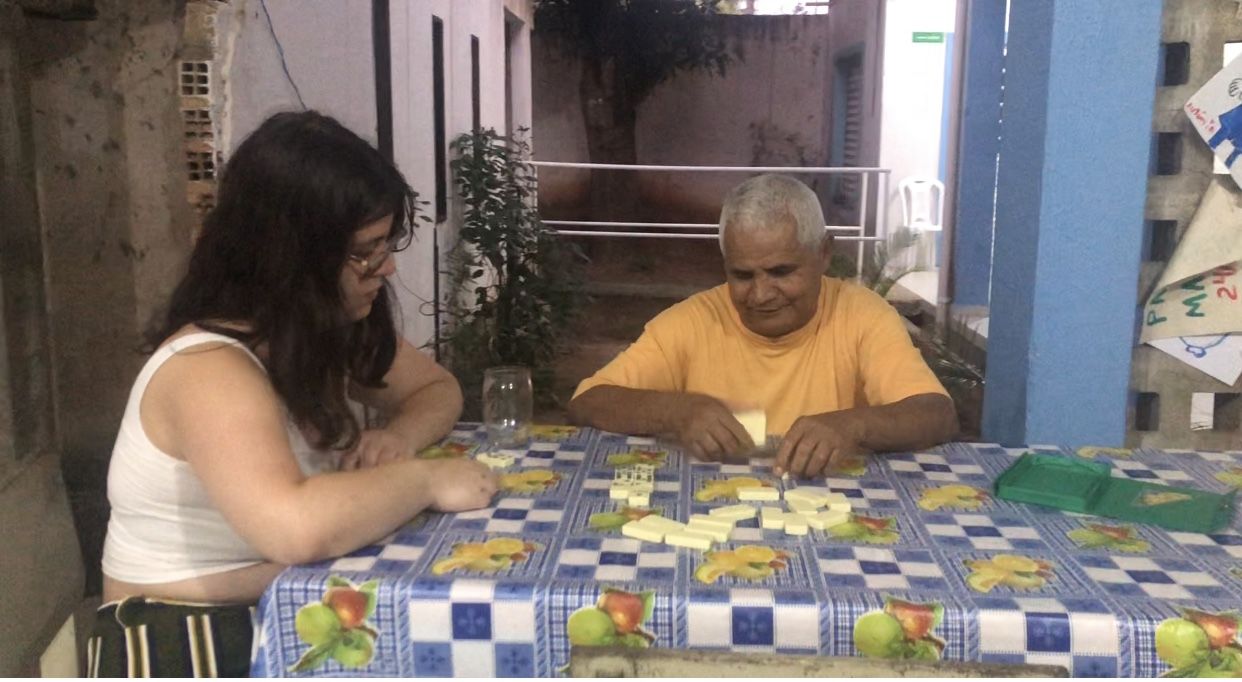
Me and João, playing a game of dominos.
Me and João, playing a game of dominos.
Although there was a language barrier, he was open and friendly. He opened up to me about his life on the streets using google translate and the nuns for help.
João never had a home, a wife, children, and hardly any friends. His soul radiated positivity despite the harsh conditions he had lived through. Sadly, he wasn’t the sole resident.
She introduced to me to a 93-year-old man (who sadly passed away in October 2019) called Nelson.
He was sweet, and kind, but confined to his bed and wheelchair due to his disability. He took my hand and kissed it, and said “boa tarde” (good afternoon). I felt myself wallow in sadness as Sister Maria told me of his story.
He had no family, no friends, and even the hospital didn’t want him so a nurse called the NGO and asked if they could take him in. I met a woman who had no legs, a man who had been found on the streets, a man whose family had kicked him out.
I wondered how Sister Maria could not only educate children and take care of the elderly, but also feed the homeless in one day. She told me she woke up at 5:30am and went to the edge of the city to feed the homeless community every morning.

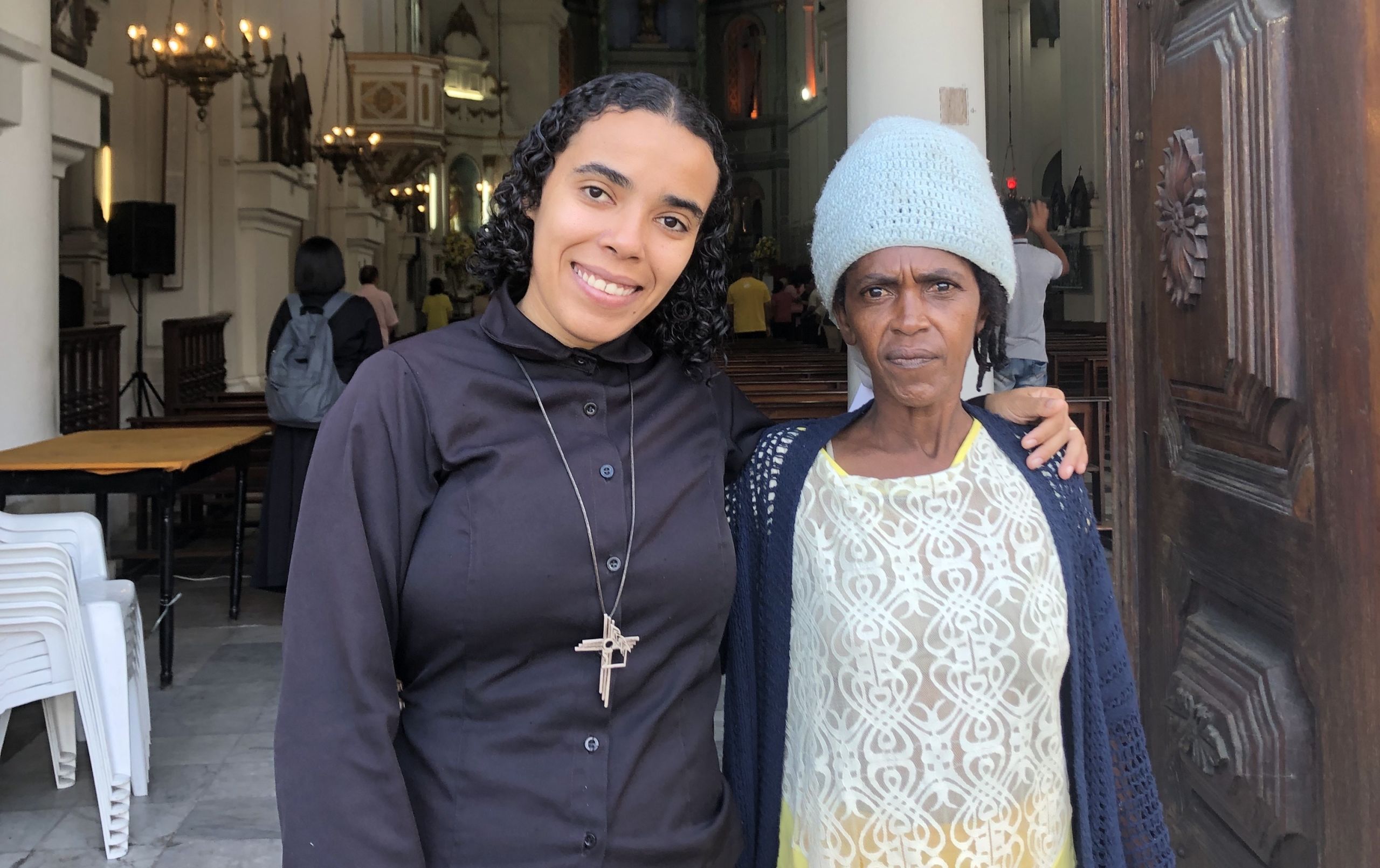
The homelessness crisis of Maceió is concealed. If you walk around the city for five minutes, you will more likely than not to run into someone who is impoverished, people carry on with their day and ignore them as if they don’t exist.
Sister Maria wanted to combat this issue, and made sure that she knew every single one of the homeless. She greeted them with a hug, spoke with them, introduced me as the English girl and made me teach them how to say, “my name is”, and clapped with glee when they learnt the sentence. She herself would get breakfast and sit down with them as if they were childhood best friends.
She says, “I felt in my heart that I wanted to live this life that the community offers, so I gave up everything and came to live here.
The feeling of the community being my family grows each day.”
A woman who was being served breakfast asked for me to take a picture of her in front of an image of a biblical figure.

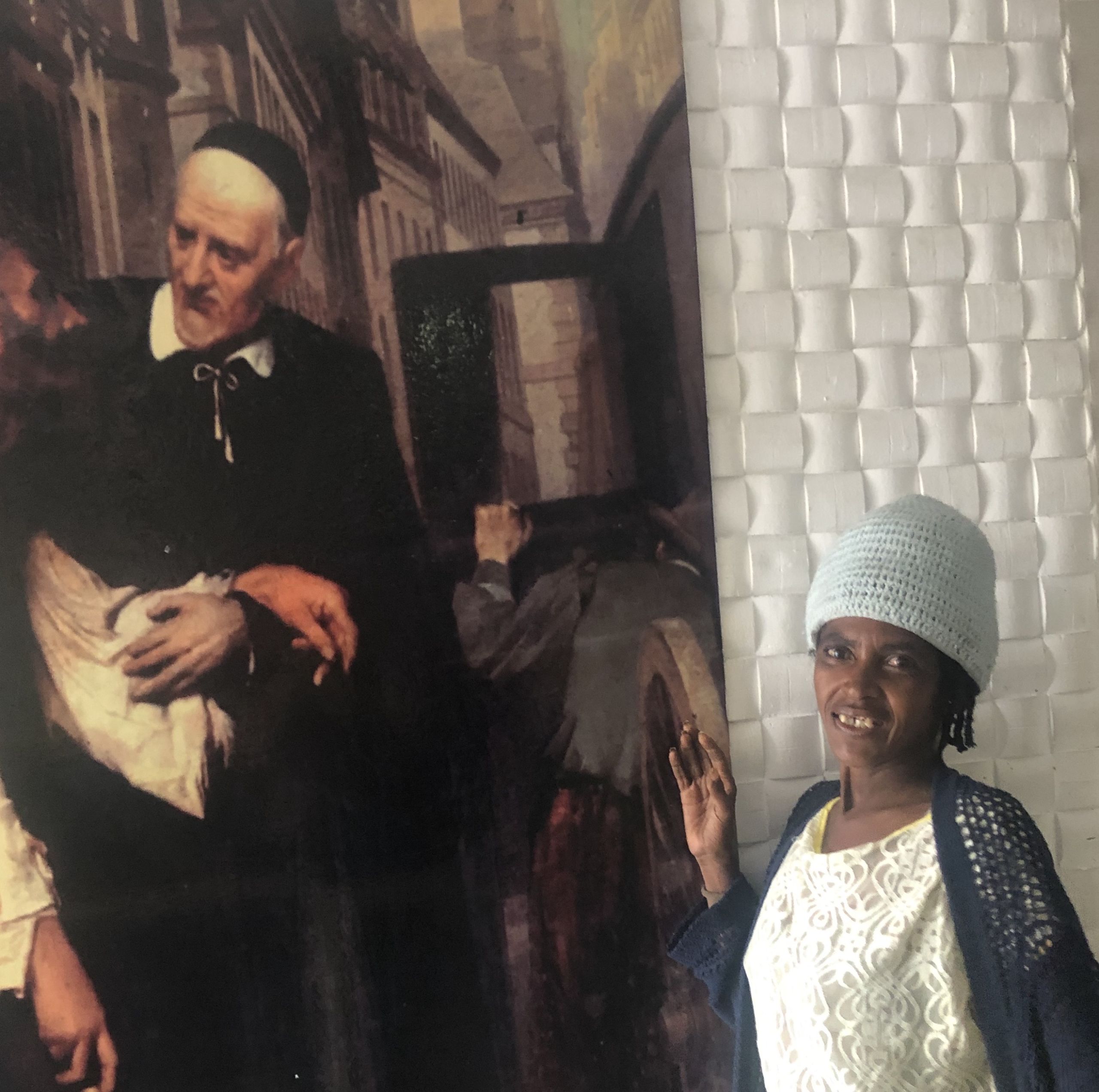
A homeless woman posing with a biblical figure
A homeless woman posing with a biblical figure
She expressed so much pride and joy to be associated with the Church, as they are the ones who feed her and provide her with a place of socialisation and love. The volunteers, nuns and priests also come back and give the community lunch and dinner.
In reflection of my 6-week experience being thrusted into a different community and a different way of life, it truly opened my eyes.
The NGO saw all the issues in their community – lack of education, homelessness, the elderly being abandoned in hospitals, or left to starve on the streets by their family and made the decision to be the force that tackles it.
The government overlooks Alagoas, as it is a state in the North-East, and as it is so small, it gets less attention.
However, you could call the people of Benedito Bentes the lucky ones. Children all over Brazil will grow up into hardship, here their burden is eased.

 Built with Shorthand