
Unsolved cases: How burglary impacts our nation
The "invasion and the defiling" of what should be a safe sanctuary that proves to be the hardest to recover from, with 90% of cases going unsolved, Victim Services at Safer Communities discusses the long-term hurt burglary causes.

Just after 5am, Oli Gill’s dad burst into his bedroom. “Oh Oli’s okay, Oli’s okay” he sighed with relief.
With the stress of A-levels cluttering his mind, Oli remembered thinking “what the hell” as he rushed out of his childhood bedroom. He realised something was wrong, but what came afterwards: the movement, the noise and the confusion left the most lasting impact.
As Oli ran down the stairs, realisation that the house he had lived in for almost two decades started to feel invaded and unfamiliar.
Oli says: “Seeing my childhood home turned inside out and the backdoor surgically removed was tough.”
The break-in had not been clumsy or impulsive. It was precise. Oli says: “The lock on the door had literally been deconstructed, as if surgery had been performed on it.” Drawers were tipped onto the floor, his mum’s handbags were emptied and thrown across the driveway.
Oli confessed, “They knew what they were doing, they weren’t just idiots.”
Oli said the burglars were looking for car keys, had they found them - the loss would’ve been significant, his father was using a new Mercades V-class worth seventy thousand pounds. Luckily, their keys were kept upstairs. Nothing material was stolen.
Instead, what the burglars left behind was something harder to quantify.
“No one wants to wake up to their parents running round the house, checking you’re alive.”

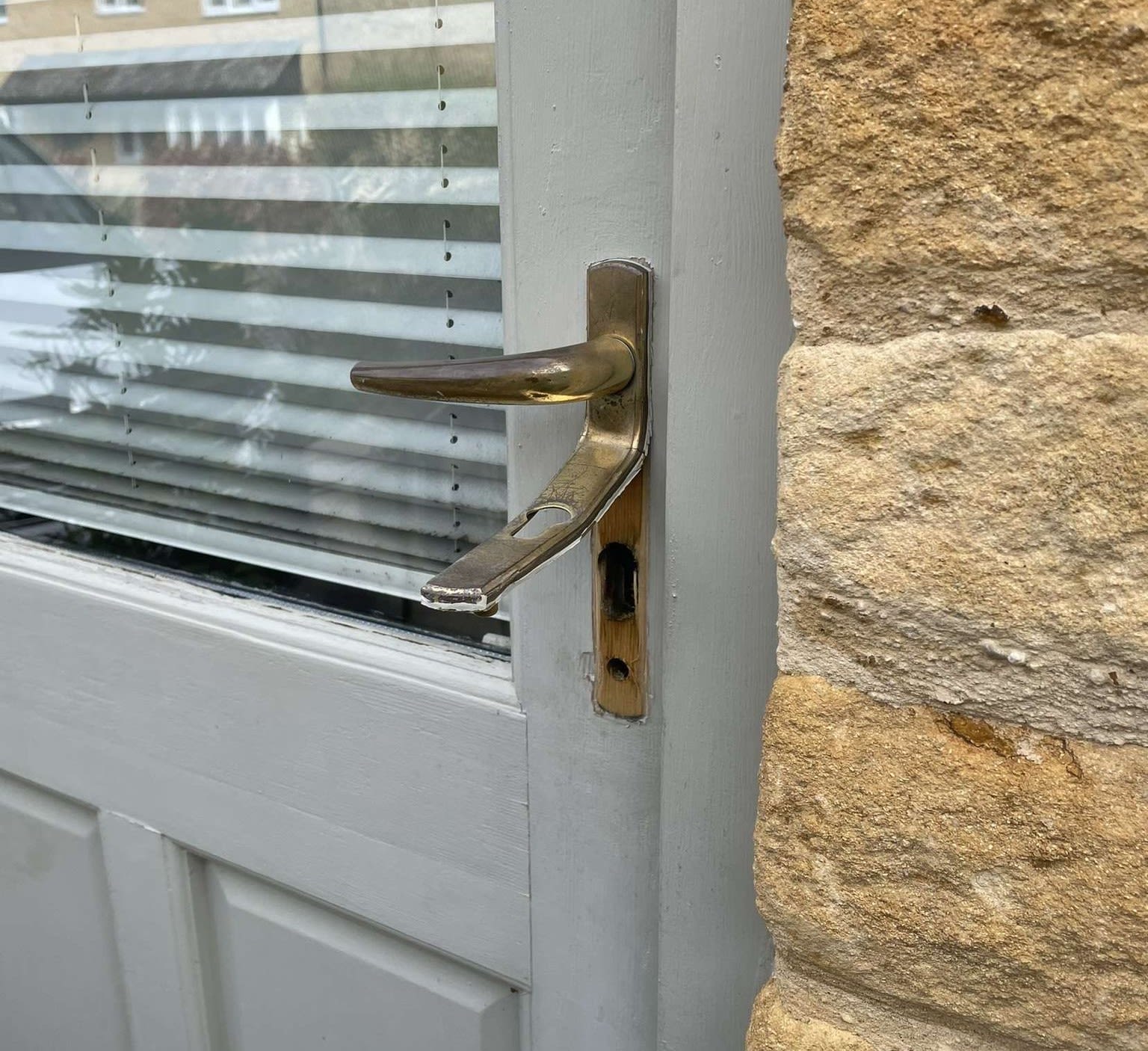
“The lock on the door had literally been deconstructed, as if surgery had been performed on it.” Oli Gill
“The lock on the door had literally been deconstructed, as if surgery had been performed on it.” Oli Gill
“That bubble of your home safety being broken is a massive factor of the distress I felt.” Oli said the fact his childhood home had been violated in such a way made him feel “uneasy” and it’s completely altered the way he views security and privacy.

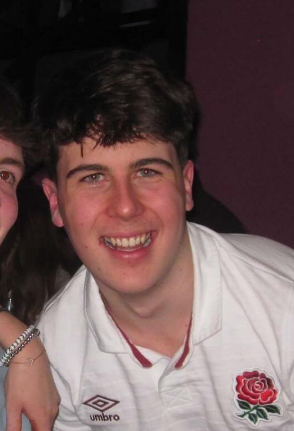
Oli Gill
Oli Gill
Burglary is routinely framed as a property crime, measured in stolen goods and insurance claims. But for victims, it's often experienced as something closer to a violation.
Home Office statistics show in England and Wales, fewer than 1 in 10 burglaries typically result in an arrest or charge, meaning over 90% of offences go unresolved.
“Our homes are our safe space, the place we’re attached to, a lot of happy memories, perhaps also our most vulnerable space too: where we sleep.” says Dave Mead, Victim Services Manager at Safer Communities. He says, “Invasion and defiling of that safe space can really impact people.”


Dave Mead, Safer Communities
Dave Mead, Safer Communities
Mr Mead has worked with hundreds of burglary victims, at Safer Communities, a charity based in the Cleveland Police area, commissioned by the Police and Crime Commissioner. They deliver restorative justice and provide support to anyone affected by any crime. He says the emotional response often has little to do with what is taken. Dave Mead says: “People always cherish the sentimental things more than the physical things, the televisions and things like that.”
Jewellery stolen from a deceased partner, photographs, keepsakes, Dave Mead says: “these can’t be repaid, it’s a part of who you are, a part of your history.”
Detective Chief Inspector Sian Hutchings of the Metropolitan Police said, “Most people would understand burglary as someone coming into your home, and that’s people’s safe space, a sanctuary, to have someone break into that and disturb your belongings, to rifle through your things, to take things you’ve worked hard for.”
She said that in her years of experience working in the Police she found that some people feel the intimacy of the intrusion is what lingers the longest.

In the days after the break in, Oli felt unsettled in his own home. “I definitely felt uneasy, it was so weird.”
Police officers, forensic teams, home security specialists all walked their way through Oli’s already violated home.
He said he totally understood how necessary their visits were but that “they’re throwing all these questions at you when you’ve barely slept and your house has been broken into.”
The formality of all the questioning added to Oli’s distress, he said “It all feels a bit surreal at the time… it can be daunting coming face to face with that authority.”
Det Inps Hutchings acknowledges that even support can feel intrusive. “Even the Police and forensic teams coming in can feel like a level of intrusion, as much as we try and do that in the nicest way possible, it’s still more strangers coming into your home.”
Often, she says, the emotional impact only surfaces later. “Sometimes it’s maybe not the initial moments due to the shock of it all… sometimes after all the formalities have settled down, you realise the gravity of the situation.”

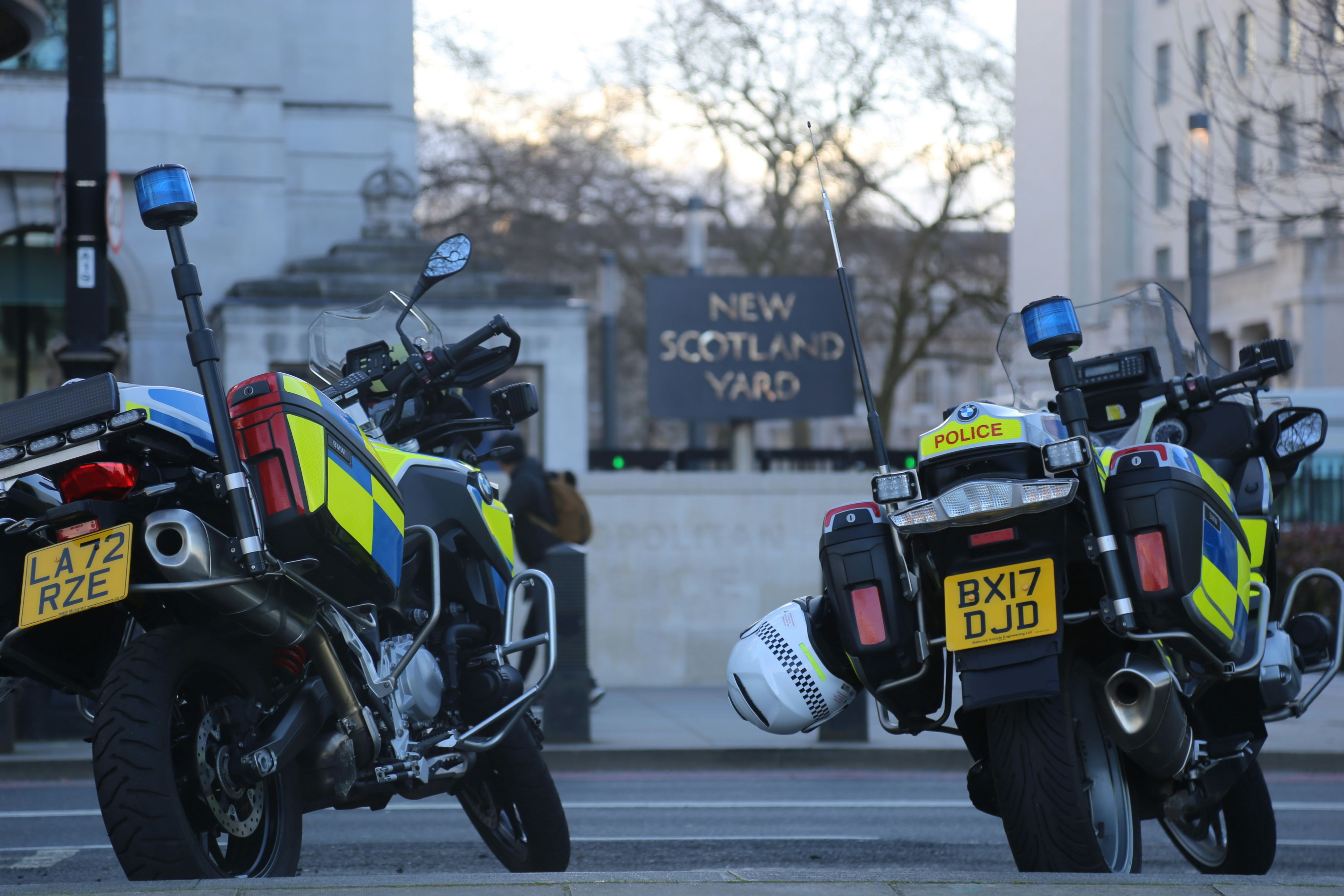
Photo by Kelsey Farish on Unsplash
Photo by Kelsey Farish on Unsplash
"They're throwing all these questions at you when you've barely slept and your house has been broken into."
Oli Gill
According to the Office for National Statistics, police-recorded burglary in England and Wales has fallen steadily over the past decade, reaching its lowest level in decades. In the year ending March 2025, there had been around a 40% decrease in recorded burglaries compared with 2015. But with the disparity between arrests made and crimes committed, victims still feel scared, unheard and uncertain.
“There’s a fear: did I draw that curtain? Is the light off when it should’ve been on?” Mr Mead says, “People talk about being afraid to leave home, not wanting the property empty, but then if they do leave, they feel terrified about walking up to the house, in case it happens again.”
For children, that anxiety can be magnified. “The impact on the victim, particularly children, is really significant,” Mr Mead adds.
Oli remembered watching his parents in the days afterwards. Their classic stiff-upper-lip British family turned stark. “It’s weird seeing your parents like that, pacing around the house.” The assumed peace and security of the home he’d grew up in had to be slowly rebuilt.

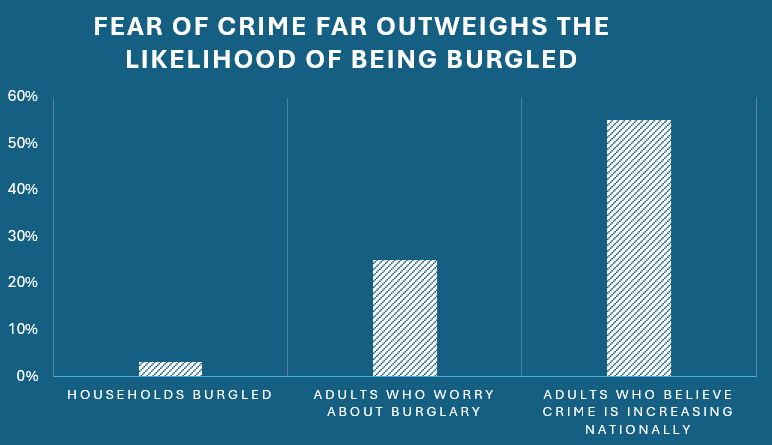
Data from Office for National Statistics
Data from Office for National Statistics
“Of course, it made it worse when no justice was served.” Oli admitted
Burglary has one of the lowest charge rates of any major crime category - data from the Home Office shows that just 6% of burglaries resulted in a suspect being charged. For many victims, the absence of justice can feel like a second hit, like the people who disrupted their lives can disappear without consequence.
Det Insp Hutchings spoke about the challenges the Police face: "Having someone break into your house is the worst thing, but what we can do to try and identify them can be quite limiting."
Burglary is often dismissed with the reassurance that insurance will cover the physical damage. But for many victims, that safety net doesn’t exist. Victim Support Charity found that almost a quarter of burglary victims reported having no insurance at the time of the break-in, most commonly because they could not afford it, leaving them to bear the financial cost alone.
For others, the emotional impact proves so enduring that they leave altogether. Home insurer Policy Expert's study shows that around one in ten burglary victims move home after an incident because they no longer feel safe in the property.
Mr Mead said that victims who's burglars have been arrested are “waiting on a tenderhook for the police witness care to contact you, and say you’re at court next week. And that paranoia will be there all the time.”
The disconnect between what victims hope for and what the system can deliver feeds frustration, fear and sometimes resignation.


“The fear of crime is much more significant than the actuality of crime.”
Mr Mead's work shows that “taking the fear out of the crime and taking the fear out of the person committing the crime" is often the most successful way to make victims more resilient. And it's backed by research; a study by the University of Cambridge found that restorative justice reduces reoffending by 27%.
"We’ve ran numerous sessions where the victims meet the offenders and every victim says: “I feel better now, I built this person up to be a monster, something off an ITV 3 drama" but what we actually see is they're generally vulnerable young people, who wouldn’t harm me."
Mr Mead acknowledges that “that’s not for everyone, but taking the fear out of the crime is really important.”
The fear isn’t irrational. It’s learned, reinforced and ingrained in society.
Oli “As shit as it is in the short term, it does kind of subside after a while. As daunting as it is, you have to go through the motions of reporting it.”
There’s often no ending to a traumatic experience. Fear doesn’t disappear; it softens.
““Humans are complex, we’re wonderful but we’re very complex. What scares us, what inspires us, what music we like, all these things. With that complexity, there is a level of vulnerability.”

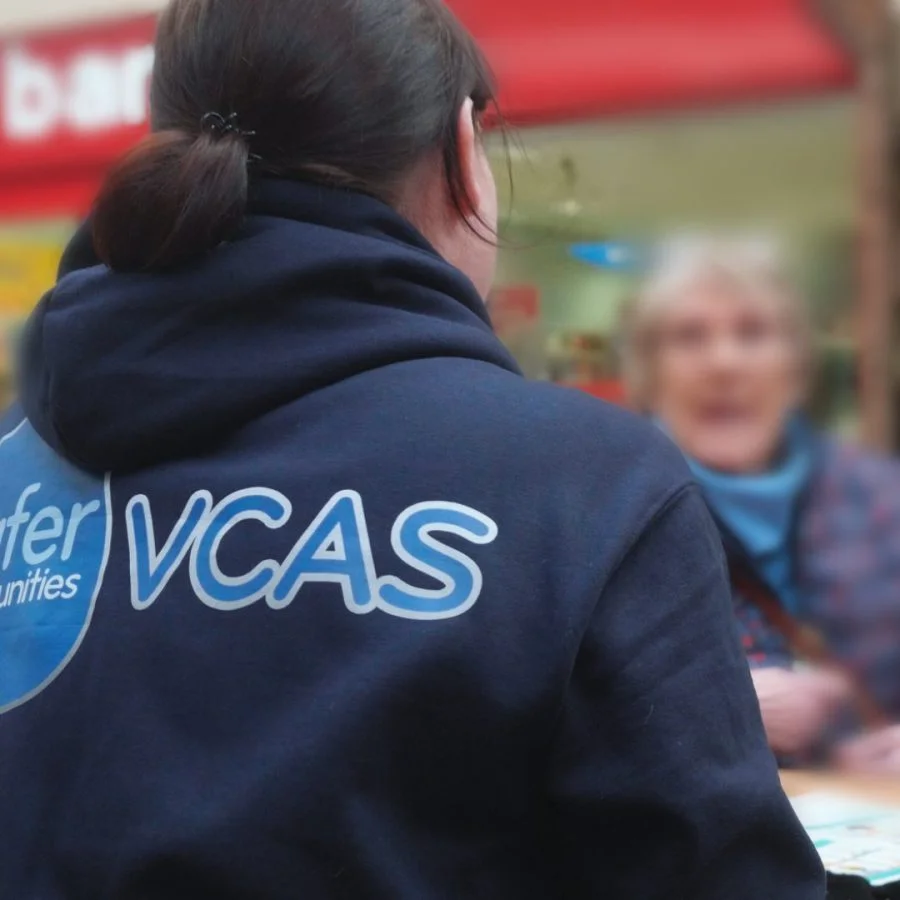
Safer Communities
Safer Communities
 Built with Shorthand