When an album doesn’t stay finished
Tracks disappearing from albums have revealed the limits of streaming. When access is no longer guaranteed, Archie Tait makes the case for physical ownership.

At the start of November 2025, Noah Wakefield 19, a fan of pop-rock band The 1975 experienced an unexpected change.
When he opened Spotify, a track from an album released 3 years prior was gone.
Human Too, a track on the band's 2022 album Being Funny in a Foreign Language, had disappeared from streaming services completely, with no explanation and no way for those who stream to regain access.
He said: “I don’t think the band should be allowed to release an album and then change their mind years later.
“It defeats the point of releasing the song at all. If the band wasn’t happy with it they should have not released it in the first place rather than take it away from people.”
The album’s content had been fundamentally changed with no listener input.
In contrast, fans who owned the album physically retained the release in its original form, unaffected by the changes that impacted digital and streaming versions of the album.
From ownership to access
Streaming platforms are designed to resemble ownership.
Music can be saved, downloaded, and displayed alongside content the listener has purchased.
All of this can make the music that listeners subscribe to feel permanent, and very similar to listening to music you have purchased.
Music on streaming remains under the control of the platforms and the rights holders who license it to streaming services.
These holders may be a record label, or even the artists themselves. These parties have the legal right under UK copyright law to remove their music from streaming, and can do so via centralised digital distribution and licensing agreements.
Albums can be altered or removed without notice, no matter how long someone has listened to them.
What the law allows
UK copyright law offers much less protection than listeners assume, especially when content is altered or removed post-release.
Dr Uchenna Nnawuchi, 31, a lawyer and university lecturer at the University of Sheffield knowledgeable in intellectual property law, said: “Consumers do not own the music; they are buying access to a licence that can be revoked.
“The removal of a song does not necessarily breach consumer law because streaming services avoid describing their catalogues as permanent.”

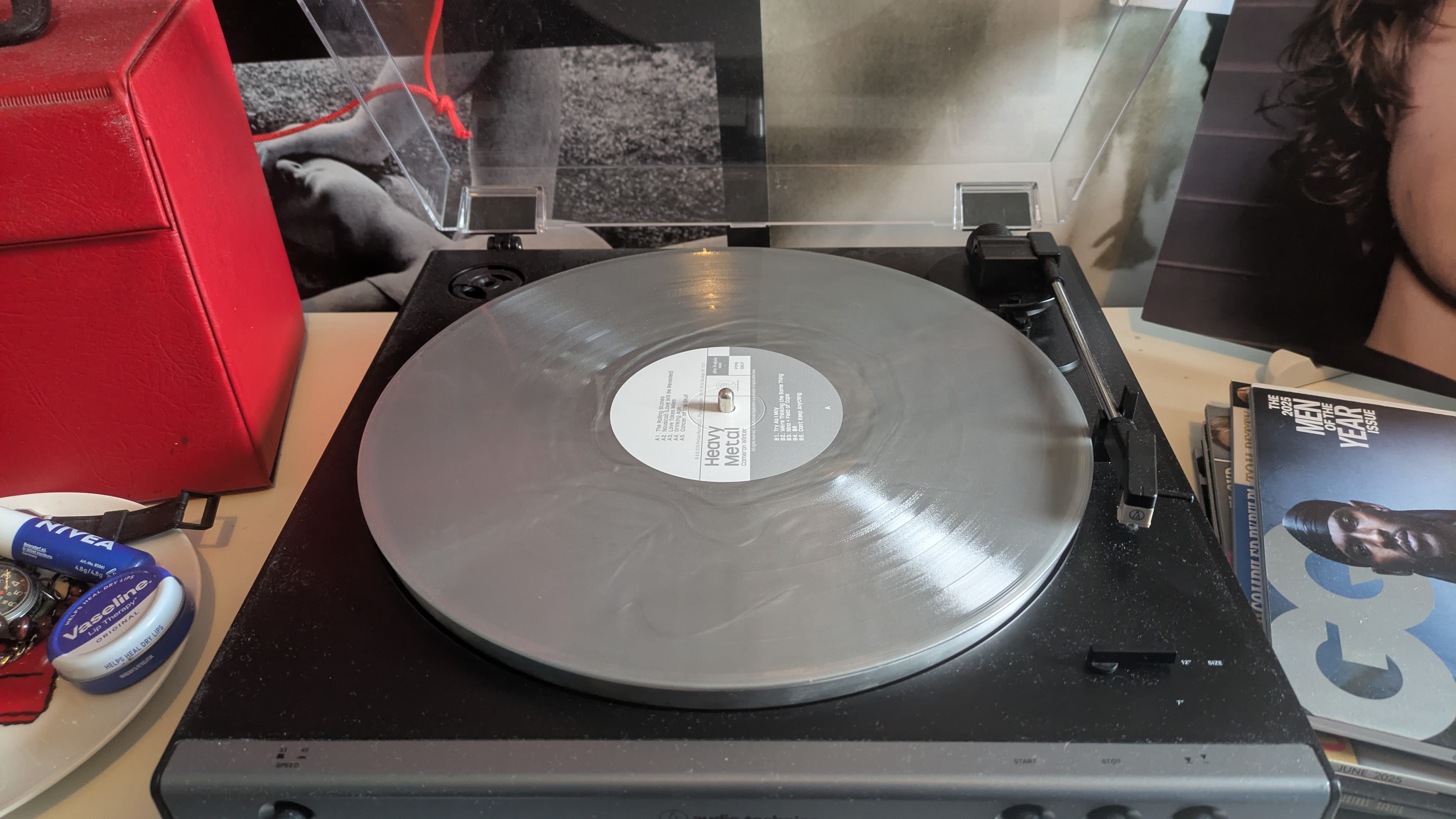
A record player with Cameron Winter's Heavy Metal mounted.
A record player with Cameron Winter's Heavy Metal mounted.
Dr Nnawuchi says that in 2015, digital music listeners’ rights were further limited when the UK’s ‘private copying exception’ was struck down.
This legal protection, only introduced the previous year, had allowed listeners to create personal copies of digital media providing that the media had been legally acquired.
Shortly after the exception came into law, a number of music industry stakeholders applied for this decision to be quashed, citing a loss of income from allowing consumers to make their own copies across devices.
Dr Nnawuchi described the decision as a trade-off, as it benefits artists by allowing them greater control over their work, but negatively impacts listeners' freedoms.
Dr Nnawuchi said: “When you buy a CD or vinyl, you own the physical object, and it cannot be taken back or changed after purchase.”
This allows physical music to be lent, gifted, or resold, which streaming platforms do not permit, as access to music is tied to an individual subscriber.
Digital purchases lie somewhere between physical purchases and subscription models, digital music is often limited to personal use only.
To many listeners, these legal limits only become apparent when something disappears from streaming.
Fans voice their frustration across the internet on sites like Reddit and X, with several posters lamenting that they could no longer listen to the original version of an album without specifically seeking it out on websites such as YouTube, reuploaded by fans.
Noah Wakefield said he does not think artists should be able to release an album and then later remove a track that listeners had grown attached to.
Mr Wakefield added that the absence of the track changed how the album felt as a whole.
The removal also caused people to question album integrity. For some listeners, the continuity of the album had been disrupted by the changes made on streaming services.
Such alterations would not have been possible for those who owned the album on a physical format.
The vinyl renaissance

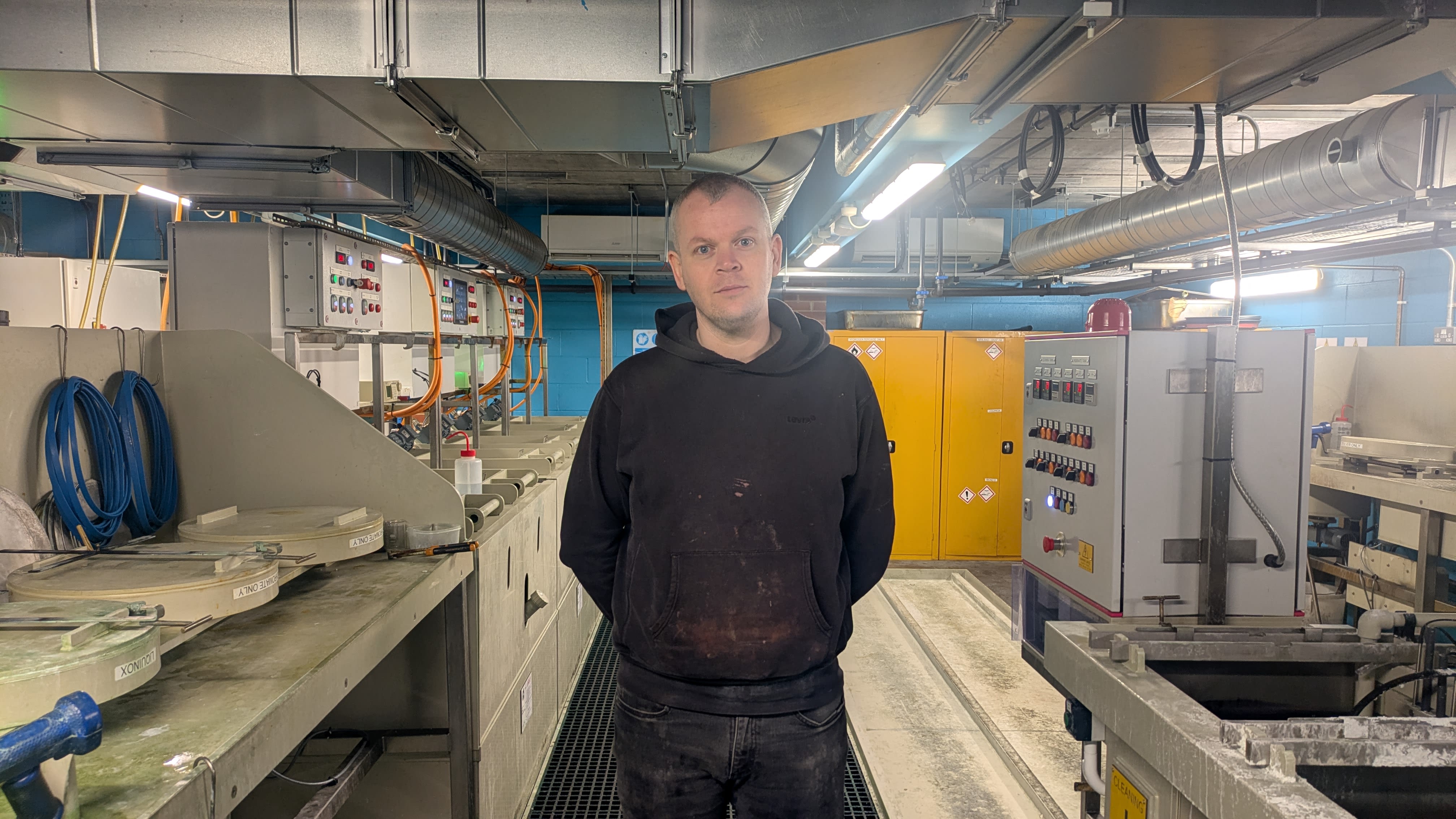
In response, there has been renewed interest in physical media, especially vinyl records, not for nostalgic purposes, but as a way for listeners to keep control of the music they hold dear.
Martin Frings, 35, is the director of Stamper Discs in Sheffield, a business that manufactures thousands of metal moulds called stampers every month.
These are used to press vinyl records. As one of the few plants worldwide that provide this service and the only independent one in the UK, Mr Frings has seen demand increase dramatically in recent years:
Video: What does the vinyl resurgence mean for manufacturers, artists, and listeners?
Mr Frings’ experience is indicative of a wider shift in how music is consumed and valued. Streaming has become less of a revenue stream through royalties and more a way for artists to consolidate a fanbase that is likely to purchase physical, permanent editions of albums. In a system where music ownership was seemingly a thing of the past, the appeal of vinyl and CDs and increased consumer control has grown.
The removal of Human Too may have affected only a single track on a single album, but it illustrates a wider shift in modern music consumption.
As the law allows music to be altered post-release by the rights holder, the limits of music streaming platforms are increasingly apparent.
In a musical landscape defined by convenience, the continued demand for physical ownership suggests that permanence still matters, and that control is something that many listeners are no longer willing to give up.


One of the production rooms at Stamper Discs.
One of the production rooms at Stamper Discs.
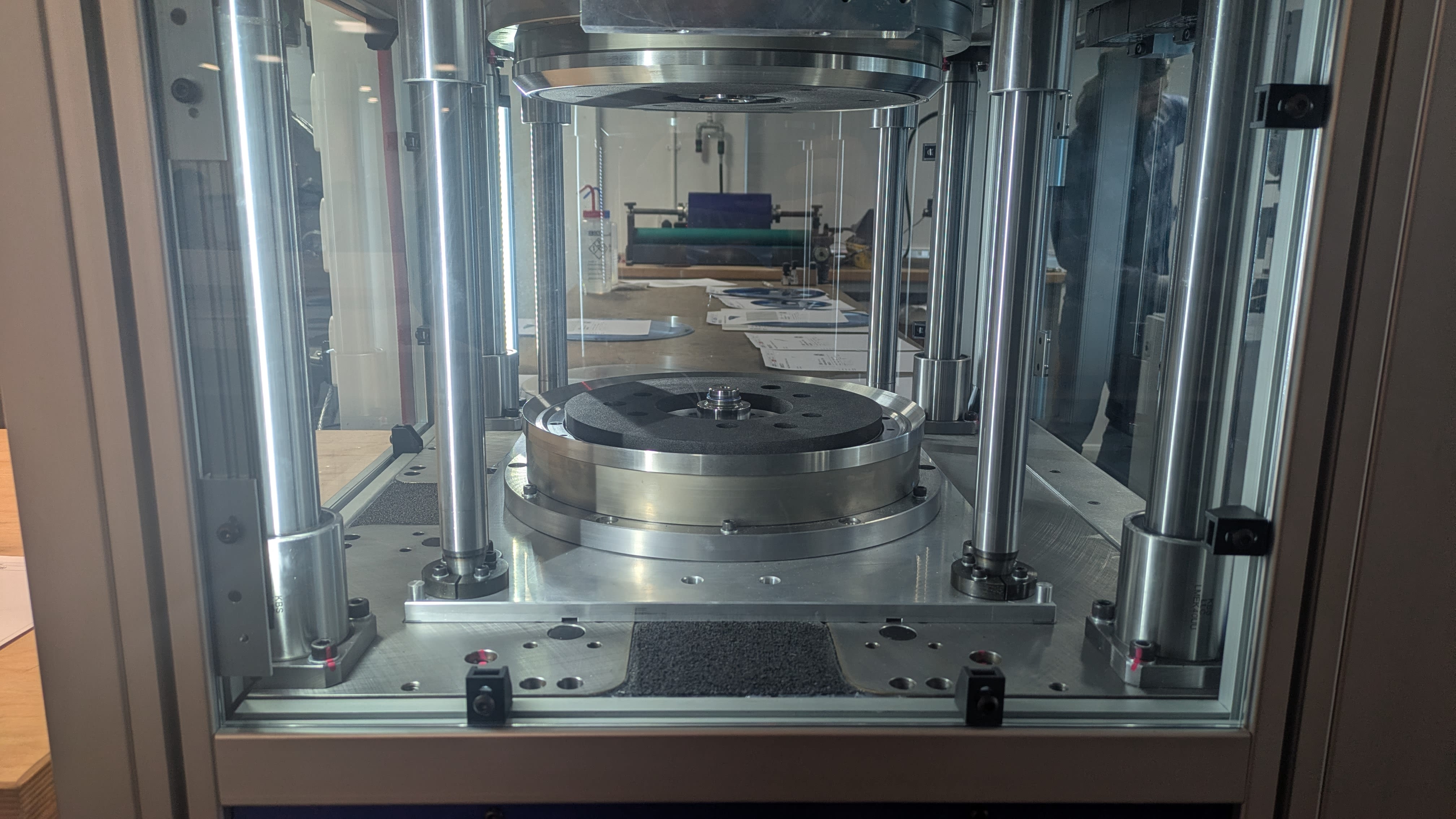
A machine that cuts grooves into stampers.
A machine that cuts grooves into stampers.
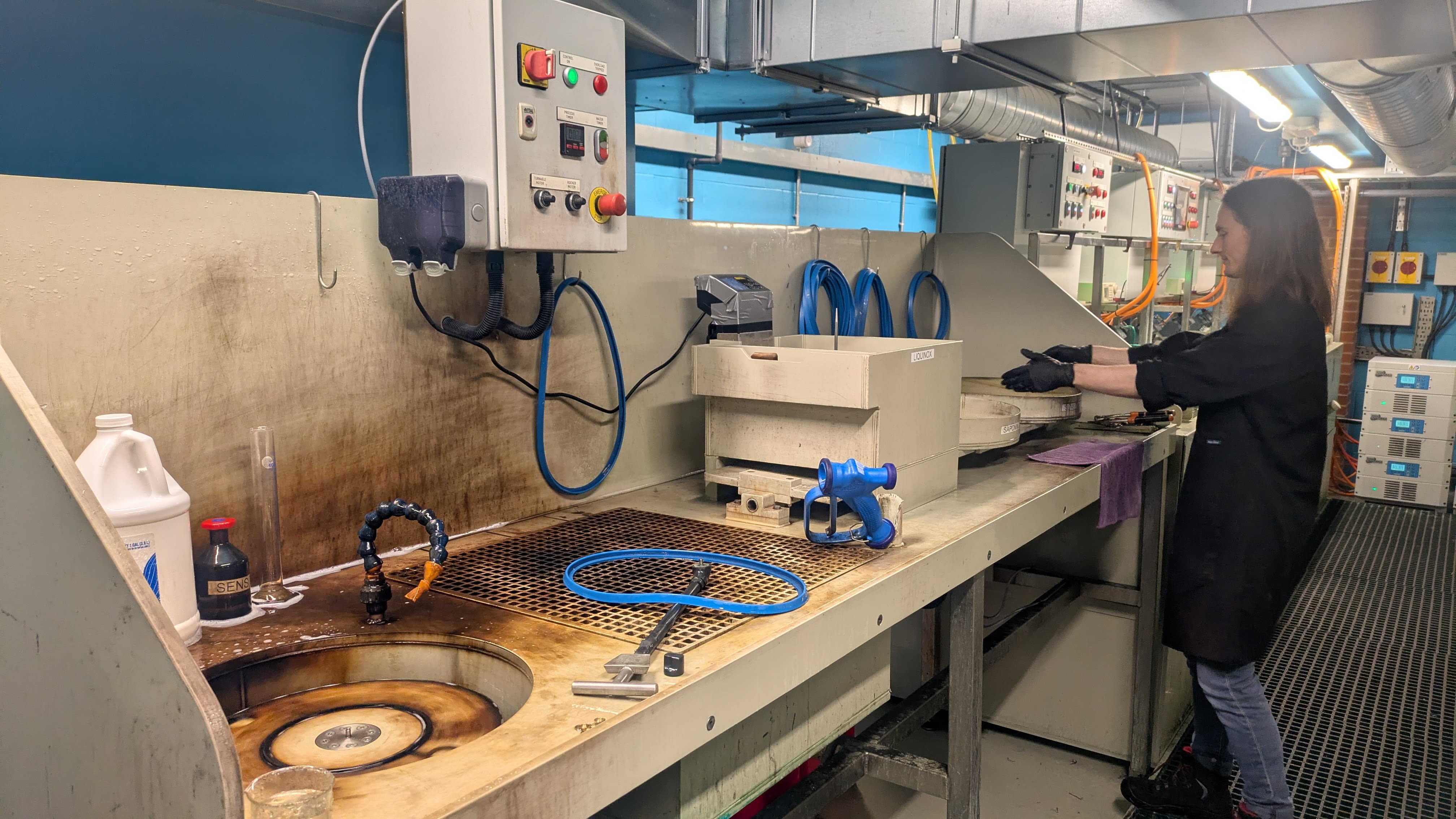
One of the production rooms at Stamper Discs.
One of the production rooms at Stamper Discs.
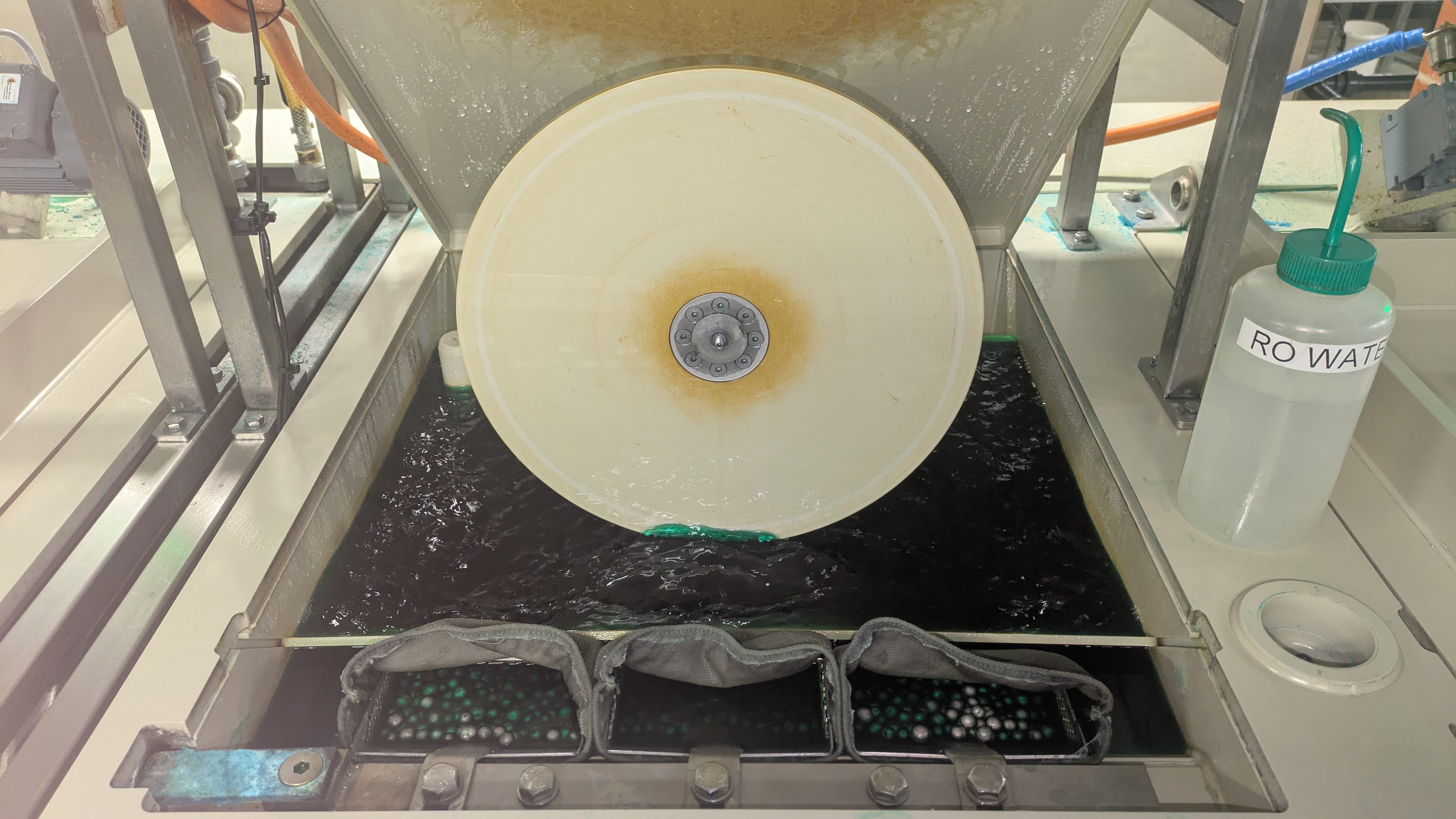
A chemical bath in one of the production rooms at Stamper Discs.
A chemical bath in one of the production rooms at Stamper Discs.
 Built with Shorthand