
WHY WOULD ANYONE WANT TO JOIN THE NHS?
Striking, burnt-out, understaffed- all words to describe the current state of the NHS, yet many are desperate to join. Those new to the NHS and those about to enter share their insight into what it is like.
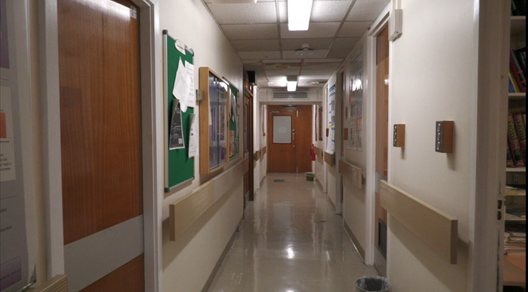

People are well aware of how hard it is working within the NHS at the minute. No one is under the false pretence it's thriving, yet it's still so competitive to get into the NHS. Why do so many people dream of giving their life away to such a challenging career and join a workforce in crisis.
Everyone's motivation to join the NHS stems from a different place.

Bethan Reynolds
Bethan is a student midwife, she knew she wanted to be a midwife when she saw someone give birth on TV.
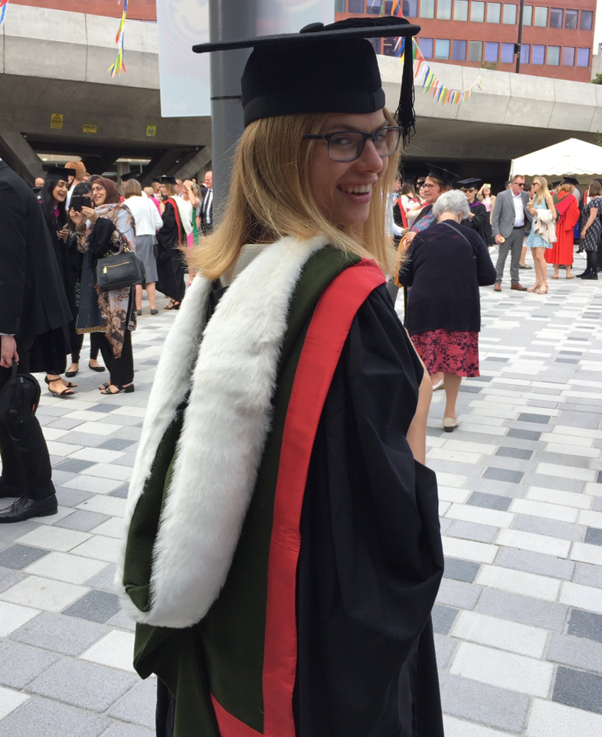
Dr Rebekah Grassby
Junior doctor Rebekah was actually set on becoming a graphic designer until she was 17.
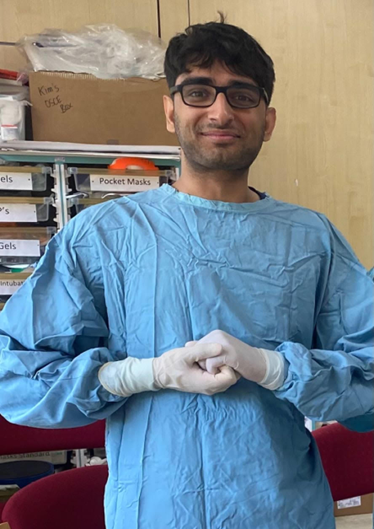
Neel Nichani
For Neel, a medical student, the influence was closer to home, his parents are doctors so he was always surrounded by it.

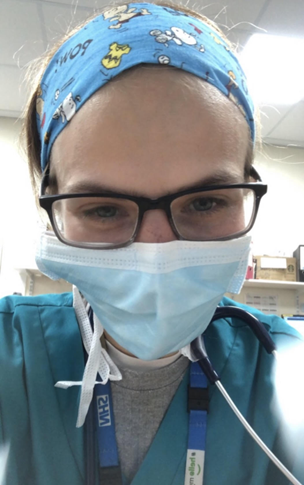
Rebekah Grassby at work during the Pandemic.
Rebekah Grassby at work during the Pandemic.
While it is daunting to dream of entering a workforce in crisis, people know the challenges and aren’t deterred.
“I knew it was struggling so it wasn’t a shock but I think I always hoped I would be part of a change. I think we’re starting to understand where things went wrong in the past, the groups of women who were neglected by maternity services and we’re starting to target those groups.” Bethan said.
Whilst healthcare has never been an easy profession to work in, Rebekah dove into it at the deep end. Graduating in 2019 she experienced one of the most challenging periods in NHS history, when the Covid-19 pandemic began in 2020.
“The hardest bit was the guilt you felt because certain services were cut, you felt like you couldn’t deliver the right level of care. It was all focused on managing the crisis but that meant that there were deficits where there otherwise wouldn’t have been.”
“I worked in hospices and cancer care. There were people who listened to the message to stay at home but that meant they didn’t contact services when they should have. There were lots of missed diagnoses.”
“Restrictions in visiting meant it was really difficult when people were towards the end of their life and couldn’t have their family with them. Having to be the person saying you can’t have your family here or you can have your husband and one child but not the other. Or picking up the phone and telling someone their loved one was deteriorating or had passed away. That is what has stayed with me the most.“ Rebekah said.
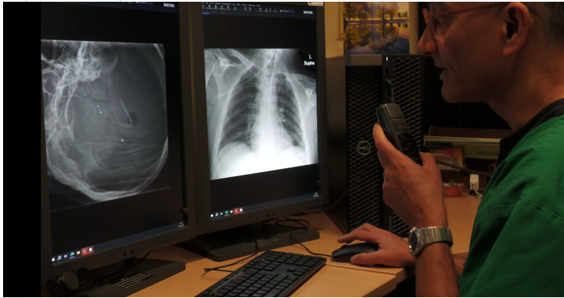
Dr Syed Ali is a consultant radiologist and has been a doctor for 34 years but has decided to retire after dedicating his life to the NHS. He reflects on his time as a doctor.
In what may come as a shock to some, but perhaps not to others, mental health issues are the most common cause for work absences within the NHS in England. And since the pandemic anxiety, stress, burnout and exhaustion has increased in doctors.
But despite burnout being one of the leading causes of absences, the support is not always there. “We get a lot of training on how to be resilient during burnout, but that is not helpful. Resilience doesn’t fix burnout, taking a step back and easing the pressures does.” Said Rebekah.
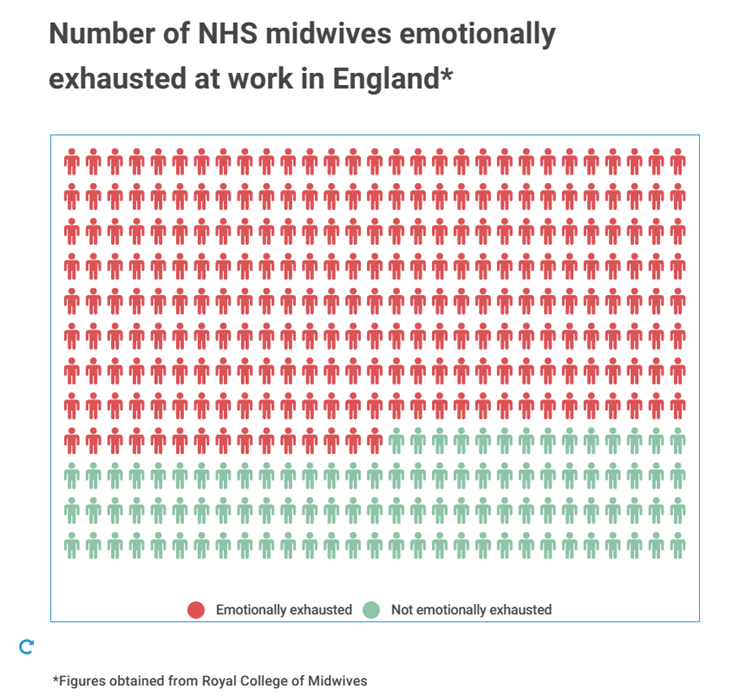
The Royal College of Midwives published some figures which are enough to make you question why anyone would want to go into midwifery. The survey results showed 71% of midwives in England are emotionally exhausted at work and two thirds have felt unwell due to work stresses.
Bethan sees those around her struggling. “You see a lot of midwives say ‘oh she’s gone off on stress’ it is something that is affecting the whole healthcare profession.”
“You’re in for 12.5 hours a day and there is so much you would want to do if you had the time, staff or money.”
Staff off ill because of work-related stress leads to those on duty being under extra pressure, working extra hours and may then suffer in the same way, causing more staff to need time off. It’s a vicious cycle.

“I wanted to work for the NHS. I have always bought into what it stands for and wanted to be a part of that. Working for the people it serves keeps me going and I don’t want to leave it."
‘Understaffed’ seems to be the word on everyone’s lips when talking about the NHS, waitlists for appointments are huge, operations are pushed back, people wait for hours in A&E. But it is not just that we don’t have enough doctors coming in, there are too many leaving.
The Medical Schools Council say the NHS has never had enough doctors to be self-sufficient.
The General Medical Council revealed that between 2015 and 2020, 4315 non-specialists, 1695 specialists and 743 GPs left the NHS and asked to be removed from the UK registers. Many are not happy with the working conditions within the UK and are moving abroad to places like Australia for a better quality of life.
Even those who have not fully entered the NHS are already thinking about the possibilities of leaving to work abroad.
“It is a really tricky culture to work in at the minute. Everybody is aware it is crumbling, that you’re running on borrowed time and it’s only a matter of time before the NHS turns into something completely different.” Said Bethan.
“I want to work somewhere where I feel like I can give good care all the time because I am not run off my feet.”
“You do feel guilty that you are leaving a system that is already struggling and you are making it worse. But do you owe them your whole life because you chose to do this profession? You have the right to work somewhere that makes you happy.”
Neel said. “From our perspective, medical professionals are appreciated so much more in different countries. The pay, the hours and the resources are better and the taxes lower. It almost feels like a no-brainer.”
The last few years have seen a dramatic increase in strikes.
“I think the nursing strikes probably had the biggest impact. They are the real backbone of the NHS. They deal with some of the worst aspects of healthcare and aren’t respected enough. So when nurses strike, you know staff morale is low.” Said Neel.
In fact, staff morale is as low as it has been in years. The 2022 NHS Staff survey revealed that 32.3% of NHS staff often think about leaving the NHS, with the percentage increasing each year since 2018.
The survey also highlighted a worrying statistic. Only 26.4% of people thought they had enough staff in order for them to do their job properly.
“I have worked so many jobs where gaps in rotas aren’t filled for months, where every day the ward is below the recommended level of minimum staffing and every day it feels unsafe.” Said Rebekah.

So why would anyone want to work in the NHS?
Despite being a workforce in crisis, people are proud of the NHS, proud of the work they do and proud to be able to offer free healthcare.
Rebekah said “I wanted to work for the NHS. I have always bought into what it stands for and wanted to be a part of that. Working for the people it serves keeps me going and I don’t want to leave it.”
When it gets tough, the rewarding moments keep them going.
Bethan recently got to spend her entire shift caring for one woman. “I got to be with the same woman for the whole shift, which never happens and I went home feeling like I had actually helped her. Then the head lecturer at uni said she had sent an email thanking me and the midwife for such an amazing delivery, that they had their last baby during covid, it was such a horrible experience but this time it was so much more supportive.”
“That made me cry and I think I will remember it forever.”

The future of the NHS is a bit touch and go, who knows what it will look like in a decade or two, but while young doctors, nurses, midwives and everyone else who is vital to the NHS still care, feel passionate about helping people and providing free healthcare, the future still holds hope.
Bethan said “The future of the NHS does worry me, but midwives are always going to be needed, whatever the system is.”
Neel sums up the situation very plainly. “What’s not changed is that people are happy to be working, they want to help people. They just want to be appreciated and have the facilities to help properly.”
 Built with Shorthand